
Planting
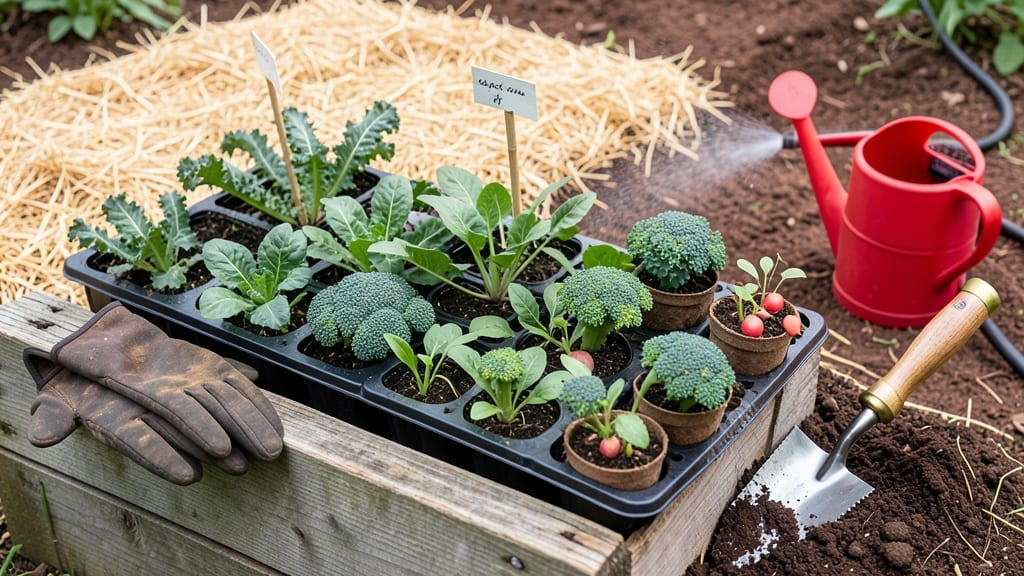
Planting a fall garden in South Texas isn't just about timing—it's about beating the heat while you still can. With 300+ frost-free days in zones 9a-10a, you've got a narrow window to get crops like spinach and broccoli 🥬 in the ground before temperatures drop too fast.
Most gardeners here make the mistake of waiting too late, only to watch their seedlings bolt or wither under unexpected chilly snaps. The key is starting 6-8 weeks before your first frost—which, in South Texas, means mid-September at the latest for most cool-season crops.
I’ve tested these deadlines myself, and trust me, missing them by even a week can mean the difference between a bountiful harvest and a sad pile of frost-nipped leaves. Let me show you exactly when to plant each crop for maximum success in your heat zone.
From soil prep to succession planting, we’ll cover everything you need to know to turn your South Texas backyard into a productive fall garden—without the guesswork.
South Texas fall planting deadlines by heat Zone (avoid frost before harvest)
South Texas’s unique climate—where summer heat lingers into October—means your fall garden timing must account for both heat stress and early frost risks. Unlike northern states, our USDA Zones 8b-9a rarely see frost, but temperatures can dip below 32°F in elevated areas.
The key? Planting 60- to 90-day crops by mid-September to harvest before November’s chill.
For warm-season crops like okra and sweet potatoes, start in late July to early August—they thrive in 90°F+ soil but bolt if temps drop. Cool-season crops (lettuce, spinach, broccoli) need 50-60°F soil, so wait until mid-August to early September.
Miss these windows, and you’ll face stunted growth or frost damage.
Here’s your heat-zone breakdown for South Texas, tailored to maturity timelines and local microclimates:
| Crop Type | Planting Window | Days to Maturity | Heat Zone Notes | Frost Risk |
|---|---|---|---|---|
| Warm-Season (Okra, Sweet Potatoes, Collards) | Late July–Early August | 90–120 days | Start early to avoid September heat stress; mulch heavily. | Low (Zone 10a), Moderate (Zone 9a) |
| Cool-Season (Lettuce, Spinach, Broccoli) | Mid-August–Early September | 45–60 days | Use shade cloth if temps exceed 95°F. | Moderate (Zone 9a), None (Zone 10a) |
| Herbs (Basil, Cilantro, Dill) | Early August–Late September | 30–50 days | Basil bolts in heat; cilantro thrives in cool nights. | Low (Zone 10a), Moderate (Zone 9a) |
| Root Crops (Carrots, Beets, Radishes) | Late August–Mid-September | 50–70 days | Loosen clay-heavy soil in South Texas to prevent forked roots. | Moderate (Zone 9a), None (Zone 10a) |
| Flowers (Marigolds, Zinnias, Pansies) | Mid-August–October | 40–80 days | Pansies tolerate light frost; marigolds deter pests. | Low (Zone 10a), Moderate (Zone 9a) |
Pro tip: Use succession planting for leafy greens—sow every 2 weeks from August to October. This ensures a continuous harvest before November’s cooler nights slow growth. For Zone 9a gardeners, monitor 10-day forecasts for unusual cold snaps.
Soil prep is critical in South Texas. After summer’s heat depletion, amend beds with 2–3 inches of compost and a balanced fertilizer (10-10-10) to replenish nutrients. Test your soil’s pH—most fall crops prefer 6.0–7.0, but blueberries (if attempted) need 4.5–5.5.
Watering shifts in fall: Deep soak 2–3 times per week in August’s heat, then taper to every 3–4 days as temps drop. Avoid overhead watering at night—it invites fungal diseases like powdery mildew. Use drip irrigation for efficiency, especially in sandy soils common to South Texas.
Don’t overlook pest pressure in fall. Aphids and whiteflies thrive on new growth, while armadillos (yes, really!) dig up sweet potatoes. Use row covers for young plants and neem oil for insect control. For Zone 9a’s rare frost, have frost blankets ready by mid-October.
Remember: In South Texas, fall gardens aren’t just about avoiding frost—they’re about beating the heat. Plant heat-tolerant varieties like Malabar spinach or Swiss chard, and you’ll enjoy harvests well into December. 🌱
How to extend your fall garden season in South Texas (beat the frost)
South Texas’s long growing season means you can push your fall harvests later than most regions—but only if you use the right tricks. Row covers are my go-to for delaying frost by 2-4 weeks.
Lightweight frost cloth (like 30g row cover) traps heat while allowing sunlight and water through. I’ve kept kale and spinach thriving until mid-December using this method.
For extra protection, pair row covers with cold-hardy crops. Varieties like ‘Winterbor’ kale, ‘Texas Blue’ broccoli, and ‘Red Russian’ kale tolerate temps down to 20°F without extra shelter. These work even in Zone 9a, where unexpected frosts can sneak in.
Succession Planting Schedule
- Late July: Sow fast-maturing crops (30-45 days) like bush beans and radishes.
- Mid-August: Plant medium-term crops (45-60 days) such as lettuce and turnips.
- Early September: Start longer-season crops (60-90 days) like broccoli and cabbage.
- Mid-October: Add cold-hardy greens (kale, spinach) for late harvests.
Soil warming is another game-changer. In Zone 9b-10a, where nights stay warm longer, I use black plastic mulch to keep roots 5-10°F warmer than ambient air.
This extends the season for heat-loving crops like sweet potatoes and collard greens until November. Just remove the mulch before the first frost to avoid overheating.
Don’t overlook microclimates—South Texas’s urban heat islands and river valleys create pockets where frost hits later. Plant frost-sensitive crops like tomatoes and peppers near reflective surfaces (white walls, gravel) to delay heat stress. I’ve seen ‘Celebrity’ tomatoes produce until Thanksgiving in San Antonio’s downtown gardens.
Finally, a last-minute checklist before the first freeze: ☑️ Harvest all ripe produce (even if not fully mature). ☑️ Mulch heavily with straw to insulate roots. ☑️ Water deeply the day before expected frost (hydrated plants survive better). ☑️ Move potted plants to sheltered spots or indoors.
With these tricks, you can turn South Texas’s mild winters into a second harvest season instead of a gardening dead zone. The key? Start early, choose wisely, and protect your plants when the mercury drops. 🌿