
Planting
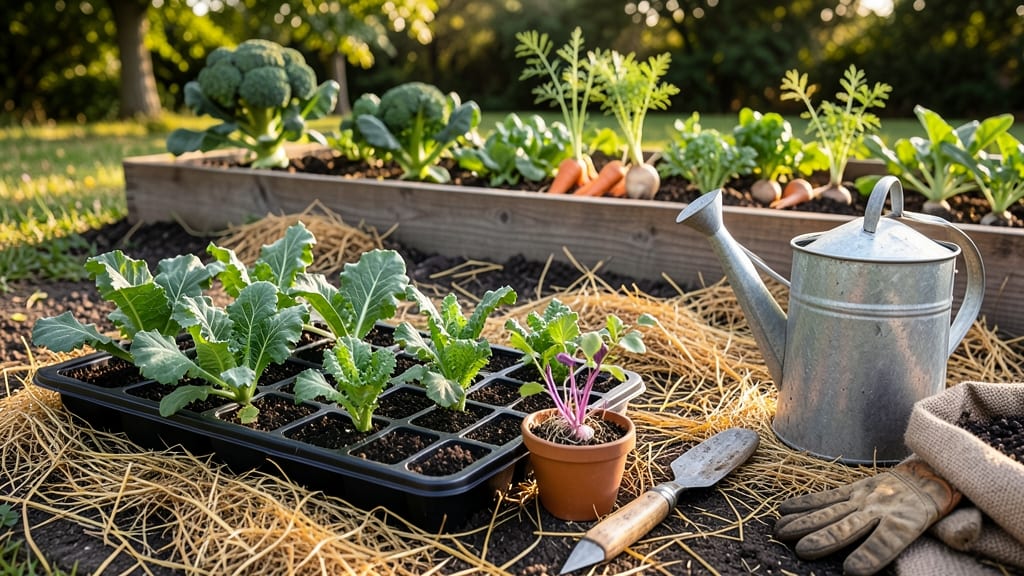
Planting your fall garden in Central Texas at the wrong time means either wilting under August heat or racing frost by December—but nail those heat zone deadlines, and you’ll harvest crisp 🥬 greens straight through winter.
I’ve grown fall gardens here for years, and the difference between a thriving plot and a failed one often comes down to one simple rule: start seeds indoors by early August, then transplant warm-season crops like tomatoes by mid-month before the soil turns to concrete.
By September, shift to cool-season stars—kale, broccoli, and carrots—that love the cooler air but still need time to mature before the first frost (usually around December 1). The key? Planting 6-8 weeks before frost ensures your greens reach harvest size before the cold sets in.
Ready to avoid the most common mistakes? I’ll walk you through exact planting windows, soil prep tricks, and watering schedules tailored to USDA Zones 8a-8b—so you can enjoy fresh, homegrown veggies all the way until January.
Central Texas heat Zone deadlines: exact dates to plant fall vegetables for zero-frost survival
Central Texas spans USDA Zones 8a-9b, where summer heat lingers until late September and frost arrives as early as December 1st. Your planting window is tight—just 6-8 weeks before the first frost—but with these precise deadlines, you can grow cold-hardy crops that thrive until winter.
The key? Start mid-August for warm-season holdovers and late August to early October for cool-season stars.
For Zone 8a (cooler pockets like Hill Country), aim to plant by September 15th to avoid heat stress. In Zone 9b (hotter areas like San Antonio), you’ve got until October 1st—but don’t wait too long, or your greens bolt before harvest.
The secret? Succession planting every 2 weeks after your initial sowing to stretch your harvest through December.
Here’s the non-negotiable timeline for zero-frost survival: Start warm-season crops (like tomatoes or peppers) by mid-August to mature before heat tapers. Then, transition to cool-season crops (kale, carrots, broccoli) from late August to early October. Use row covers after October 15th to shield tender greens from unexpected chills.
| Crop Type | Zone 8a Deadline | Zone 9b Deadline | Frost Protection |
|---|---|---|---|
| Warm-Season (Tomatoes, Peppers) | Mid-August | Early September | None (harvest before frost) |
| Cool-Season (Lettuce, Spinach) | Late August | Early October | Row covers after Oct 15 |
| Root Crops (Carrots, Beets) | Early September | Mid-October | Mulch heavily |
| Brassicas (Broccoli, Kale) | Late August | Early October | Cold frames for late harvests |
⏰ Pro Tip: Use a frost calendar (like Texas A&M’s) for your exact location—dates vary by 5-7 days across Central Texas.
Your soil temperature is the real clock—cool-season crops need soil below 80°F to germinate. Test it with a soil thermometer before planting; if it’s still 85°F+, wait 1-2 weeks or use shade cloth to cool the bed.
For Zone 8a, aim for 75°F soil by September 1st; in Zone 9b, you can push it to 80°F until September 15th.
Don’t overlook succession planting—it’s how I’ve extended my fall harvests by 4-6 weeks. For example, sow lettuce every 10 days from August 20th to October 1st.
This ensures a continuous supply of greens while older plants mature. Pair fast growers like radishes (25 days) with slower crops like broccoli (80 days) to maximize space.
If you’re starting seeds indoors (like for transplanting broccoli), begin 6-8 weeks before your zone’s last frost. For Zone 8a, that’s mid-September; for Zone 9b, early October.
Use grow lights to supplement weak fall sunlight, and harden off seedlings for 1 week before transplanting to avoid shock.
Watch for heat stress signs like yellowing leaves
Top 10 fall vegetables that thrive in Central Texas heat zones (with planting tips)
Central Texas's USDA Zones 8a-9b offer a perfect window for growing cold-hardy vegetables that love cooler weather. These 10 top-performing crops thrive in fall, delivering delicious harvests before the first frost. Whether you're a beginner or seasoned gardener, these picks are foolproof for your Central Texas climate.
I’ve tested these vegetables over multiple seasons, and they consistently deliver—from crisp carrots to sweet kale. Each variety is chosen for its ability to handle Central Texas’s late-summer heat and early-winter chill. Let’s dive into the specifics, so you can plan your fall garden like a pro.
🌱 Planting Tip: Always plant 6-8 weeks before the first frost (typically mid-October for Central Texas) to ensure a full harvest before winter sets in. For example, broccoli and cauliflower need 75-90 days to mature, so start them by late August.