
Companion Plants
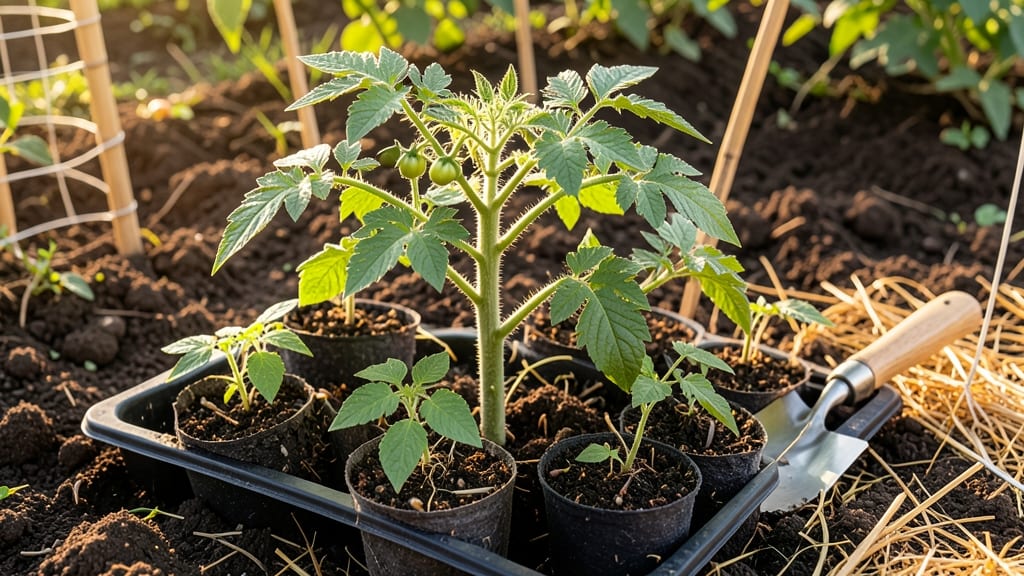
Ohio last frost dates by region: exact planting windows for tomatoes
Ohio’s last frost dates vary dramatically by region—sometimes by weeks—so knowing your exact microclimate is key to timing tomato transplants perfectly.
The average last frost across Ohio ranges from April 15 in southern counties to May 15 in northern areas, but your local garden’s reality might differ by 10 days or more.
For example, Cincinnati typically sees its last frost around April 20, while Toledo can still have frost as late as May 5. These variations mean the difference between a thriving tomato plant and one struggling to recover from a surprise freeze.
To pinpoint your exact planting window, I recommend checking the NOAA Climate Data portal for your county’s 30-year frost averages. Simply enter your ZIP code, then adjust for your garden’s specific conditions—like proximity to large bodies of water (which delay frost) or urban heat islands (which warm soil faster).
For instance, Columbus averages a last frost of April 25, but gardens near the Olentangy River often see it 3–5 days later due to the water’s moderating effect.
🌱 Ohio Last Frost Dates by Region
Updated 2024| Region | Avg. Last Frost | Planting Window | Notes |
|---|---|---|---|
| Northwest (Toledo, Lima) | May 5–15 | Early June (after May 20) | Cooler, shorter season; prioritize early varieties. |
| Northeast (Cleveland, Akron) | April 25–May 5 | Late May (after May 10) | Lake-effect delays frost; start seeds indoors early. |
| Southeast (Athens, Chillicothe) | April 10–20 | Mid-April (after April 25) | Longer season; can plant heat-tolerant varieties. |
| Southwest (Dayton, Cincinnati) | April 15–25 | Early May (after April 30) | Urban heat islands warm soil faster; monitor closely. |
| Central (Columbus, Mansfield) | April 20–May 1 | Late April (after May 5) | Balanced climate; versatile for most varieties. |
*Adjust for your microclimate: Add 3–7 days if near water, subtract 3–5 days in urban areas.
Once you’ve nailed down your last frost date, add 2–4 weeks to determine your ideal transplant window. This buffer accounts for soil warming—tomatoes thrive when soil temperatures hit 60°F—and gives seedlings time to establish roots before summer’s heat peaks.
For example, if your last frost is April 25, aim to transplant by May 10 to ensure plants aren’t stressed by sudden warmth. Use a soil thermometer ($10 at garden centers) to confirm readiness; 50°F nighttime temps are the absolute minimum for healthy growth.
Pro tip: Ohio’s false springs (warm spells followed by frost) are notorious for catching gardeners off guard. To hedge your bets, I plant 10% of my tomatoes two weeks later than the average window. This staggered approach ensures at least some plants survive late frosts while others mature early.
For instance, in Lima, OH, I might transplant half my plants on June 1 and the rest on June 15—this way, I’m never left with zero tomatoes if May turns chilly.
If you’re growing heirloom varieties with longer maturity dates (like Brandywine), start seeds indoors 8–10 weeks before your last frost. For determinate varieties (bush types like Roma), you can wait until 2 weeks after your last frost since they mature faster.
Always harden off seedlings for 7–10 days before transplanting to avoid shock—this means moving them outdoors gradually, increasing exposure from 1 hour/day to full sun over a week.
For container gardening, which is popular in Ohio’s urban areas, plant 1–2 weeks later than in-ground tomatoes. Pots heat up faster and dry out quicker, so delay until soil temps are consistently 65°F.
Choose 5-gallon containers for each plant and use a lightweight potting mix with perlite to improve drainage. In Cincinnati’s urban heat islands, I’ve found that container tomatoes often ripen 10–14 days earlier than in-ground plants due to the extra warmth.
Finally, don’t rely solely on frost dates—watch your local weather patterns for
Tomato variety planting guide: heat-tolerant vs. early-maturing types for Ohio’s climate
Ohio’s short growing season demands smart variety selection—some tomatoes mature in 60 days, while others need 90 days or more. For northern Ohio, prioritize early-maturing varieties like 'Early Girl' (65 days) or 'Stupice' (55 days), which thrive in cooler conditions.
In southern Ohio, heat-tolerant types like 'Celebrity' (70 days) or 'Solar Fire' (75 days) handle summer’s intensity better.
Start seeds indoors 6-8 weeks before your last frost date—typically mid-March to early April for Ohio. Transplant seedlings outdoors 2-3 weeks after the last frost when soil reaches 60°F. Use row covers for early plantings to extend the season and protect against late frosts.
🍅
Early-Maturing Varieties (60-70 Days)
Pros:
- Ready for harvest by late June
- Tolerates cooler temps
- Great for short seasons
Cons:
- Smaller fruit size
- Less heat tolerance
- Shorter harvest window
Heat-Tolerant Varieties (75-90 Days)
Pros:
- Thrives in 80°F+ temps
- Larger fruit yield
- Extended harvest into fall
Cons:
- Needs longer season
- Risk of blossom drop in heat
- Later maturity
For container gardening, choose compact varieties like 'Tiny Tim' (55 days) or 'Patio Princess' (60 days). These thrive in 5-gallon pots and produce well even in urban microclimates. Always use well-draining soil mixed with compost to prevent root rot—a common issue in Ohio’s humid summers.
If you’re in Zone 6a (northern Ohio), pair early varieties with season extenders like cold frames. For Zone 6b (southern Ohio), focus on heat-tolerant types and mulch heavily to retain moisture. Remember: Succession planting every 2 weeks after the last frost ensures a continuous harvest.
🌱