
Plants
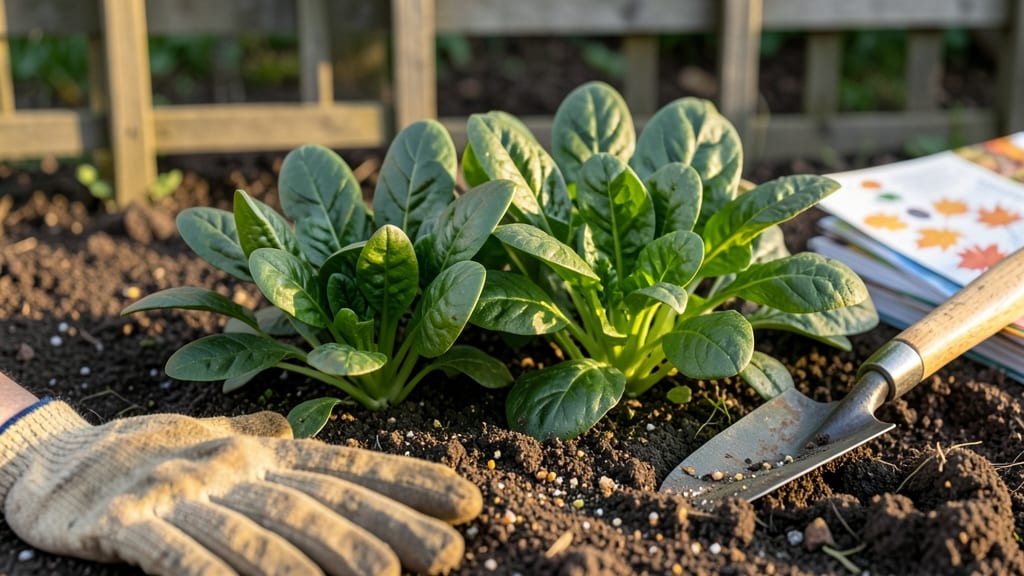
Planting fall spinach in Zone 7 isn’t just about throwing seeds in the ground—it’s about timing it perfectly to avoid bitter leaves or wasted effort. With the right window, you’ll enjoy tender 🥬 harvests right through winter, but get it wrong, and you’ll end up with bolted greens before frost.
The key is planting 4-6 weeks before your first frost date, but knowing exactly when that is depends on whether you’re in 7a or 7b.
Most gardeners in Zone 7 rush to plant too early, only to watch their spinach bolt under summer’s lingering heat. The trick is waiting until soil temps dip below 80°F—usually mid-to-late August—and sticking to varieties like ‘Bloomsdale’ or ‘Tyee,’ which handle cooler weather better.
I’ve learned the hard way that patience pays off: skipping the June rush means sweeter, slower-growing spinach that thrives in fall’s crisp air.
But here’s the real game-changer: your local frost date might not match the USDA average. Check your area’s 10-year frost records—some Zone 7 spots get frost as early as mid-October, while others hold off until November.
Adjust your planting by 1-2 weeks to account for these quirks, and you’ll nail that 4-week pre-frost window every time.
Ready to turn your fall garden into a spinach powerhouse? I’ll walk you through the exact steps—from soil prep to succession planting—to guarantee a harvest that lasts well beyond Thanksgiving. Let’s get those seeds in the ground the right way.
Zone 7 fall spinach planting timeline: exact dates for 4-Week pre-frost success
Timing your fall spinach planting in Zone 7 hinges on one critical number: the first frost date. For most of Zone 7, this falls between mid-October (7a) and early November (7b). To ensure a 4-week harvest window before frost, you’ll need to plant 6-8 weeks before those dates.
That means your ideal planting window stretches from mid-August to early September—but there’s flexibility based on your spinach variety and local microclimates.
Zone 7 spans two sub-zones with slightly different frost timelines. In Zone 7a (colder), aim to plant by August 25th for a harvest before the October 15th average frost. In Zone 7b (warmer), you can push it to September 10th for a harvest before the November 1st frost.
These dates assume you’re growing mature spinach (45-60 days to harvest), but baby leaf varieties (28-35 days) can be planted up to 2 weeks later.
🌱
Direct sowing is the best method for fall spinach in Zone 7 because seedlings bolt quickly in heat. Start seeds in well-prepared soil (pH 6.5–7.0) with 1/4-inch depth, spacing them 1–2 inches apart in rows 12–18 inches apart.
If you prefer transplants, buy cold-hardy varieties and set them out 2–3 weeks earlier than direct sowing dates to give roots time to establish before cooler weather arrives.
For gardeners in urban heat islands or microclimates with delayed frost, adjust your timeline by 1–2 weeks later. Check your local Cooperative Extension Service records for 10-year frost averages—these are more reliable than USDA zone maps for precise planning.
If your area has unpredictable frosts, consider using row covers to extend your harvest into early winter.
🌿
Pro tip: Plant succession crops every 2 weeks from mid-August to early September. This staggered approach ensures a continuous harvest and minimizes the risk of bolting from heat stress.
For example, sow a batch on August 15th, another on August 30th, and a final one on September 15th—this way, you’ll have fresh spinach ready for Thanksgiving and beyond.
Soil temperature is another critical factor. Spinach germinates best in 45–65°F soil. If your summer heat lingers into August, wait until soil temps drop below 80°F at midday to avoid poor germination or seedling stress. Use a
5 Critical factors that determine your fall spinach planting window in Zone 7
Planting fall spinach in Zone 7 isn't just about counting backward from frost dates—it's about understanding the hidden variables that can make or break your harvest.
The soil temperature must drop into the 45–65°F range for optimal germination, while day-length sensitivity in spinach varieties means some will bolt faster under shorter autumn days. These factors create a sliding window that varies by sub-zone (7a vs. 7b) and even your microclimate.
First, let's tackle soil temperature, the most critical factor. Spinach seeds need soil that's at least 45°F to germinate, but they thrive best between 50–65°F. In Zone 7a, soil temps drop below 65°F by mid-September, while Zone 7b holds onto warmer soil until late September.
Plant too early, and your seeds may rot in hot soil; too late, and they'll take forever to sprout.
🌱
| Factor | Zone 7a Timeline | Zone 7b Timeline | Adjustment Tip |
|---|---|---|---|
| Soil Temp (45-65°F) | Mid-August - Early Sept | Late August - Mid-Sept | Use soil thermometer; cover seeds with black plastic to warm soil if needed |
| Day-Length Sensitivity | Choose 'Tyee' or 'Space' varieties | Avoid 'Bloomsdale' types | Longer days trigger bolting; select slow-bolting hybrids |
| First Frost Date | October 15 (plant by Sept 15) | November 1 (plant by Oct 15) | Check local records; urban areas frost earlier |
| Microclimate Impact | +3-5 days for valleys | -3 days for hills | Plant hillsides 5 days earlier; valleys 5 days later |
Your local frost records might say October 15, but that's just an average—your microclimate could shift that window by a full week. Urban areas with heat islands often frost 3–5 days earlier than rural zones, while hillsides stay warmer and may delay frost by up to 10 days.
Always check 3–5 years of local data from your nearest weather station, not just the USDA map.
Another game-changer is spinach variety selection. Some types, like 'Bloomsdale Long Standing', bolt aggressively when days shorten, while 'Tyee' and 'Space' varieties handle Zone 7's autumn daylight much better.
If you're planting in late September, stick with slow-bolting hybrids—they'll give you 2–3 weeks of harvest before frost, while traditional varieties might bolt in just 10 days.
Finally, don't overlook succession planting. Instead of one big planting, try staggered sowings every 10–14 days from mid-August to early September. This spreads out your harvest and reduces bolting risk.
For example, plant half your seeds in late August (for baby leaves) and the rest in early September (for mature harvests). Just remember: never plant after September 15 in Zone 7a or October 1 in Zone 7b—the days are too short for reliable germination.
✂️