
How To
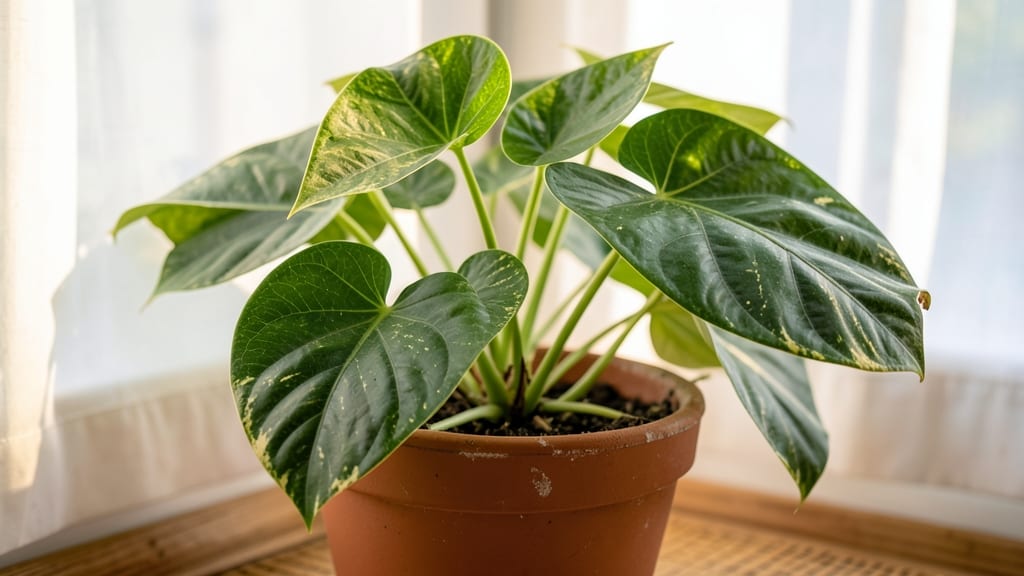
Ideal light requirements for arrowhead plants: low to bright indirect light explained
The arrowhead plant (Syngonium podophyllum) thrives in low to bright indirect light, making it perfect for indoor spaces with limited sunlight. Unlike sun-loving plants, it avoids harsh rays that can scorch leaves or cause yellowing.
This adaptable plant can even survive in low-light conditions, though its growth may slow without adequate illumination.
For optimal health, aim for 4-6 hours of bright indirect light daily. Think of it like a morning coffee drinker—it enjoys gentle light without the harsh afternoon sun.
East-facing windows are ideal, while north-facing windows work well too, though you may need to rotate your plant occasionally for even growth.
In low-light conditions, your arrowhead plant might develop long, leggy stems as it stretches toward any available light. This is its way of saying, "I need more!" Watch for pale or yellowing leaves, which are classic signs of insufficient light.
If you notice these, it’s time to adjust its location or supplement with a grow light.
On the flip side, too much direct sunlight—especially from west or south-facing windows—can cause leaf burn. You’ll spot this as crispy, brown edges on the leaves. If this happens, move your plant a few feet back from the window or use a sheer curtain to diffuse the light.
Seasonal adjustments are key, too. During winter, when daylight is shorter, your arrowhead plant may appreciate a grow light for 6-8 hours daily to maintain its vigor. In summer, if you move it outdoors, acclimate it gradually to prevent shock from sudden light changes.
Now, let’s break down the ideal light conditions in a quick reference table to help you assess your plant’s current setup:
| Light Condition | Description | Signs of Plant Response |
|---|---|---|
| Bright Indirect Light | East or north-facing window, 4-6 feet from south/west windows | Healthy green leaves, compact growth, vibrant variegation |
| Low Light | Away from windows, artificial lighting only | Leggy stems, pale leaves, slow growth |
| Direct Sunlight | South/west windows without diffusion | Brown leaf edges, crispy texture, wilting |
If your arrowhead plant is currently in low-light conditions, don’t panic—it’s highly adaptable. Simply move it closer to a window or rotate it every few weeks to ensure even growth. For direct sunlight issues, a sheer curtain or a few feet of distance can work wonders.
Remember, the goal is to mimic its natural understory habitat, where it thrives under the canopy of taller plants.
Pro tip: Observe your plant’s leaves. If they’re dark green and glossy, you’re nailing the light balance. If they’re dull or yellowing, it’s time to tweak its spot. Even a simple rotation every 2-3 weeks can prevent your plant from leaning toward the light source.
For outdoor cultivation, arrowhead plants can handle partial shade in your garden, especially in hotter climates. Just avoid placing them in full sun during peak summer months, as the heat can stress them out. If you’re growing yours outdoors, morning sun with afternoon shade is the sweet spot.
Lastly, humidity plays a role in how your arrowhead plant handles light. In dry indoor environments, it may tolerate slightly lower light levels because the humidity mimics its natural tropical setting.
If your home is dry, consider using a humidifier or pebble tray to keep it thriving, even in dimmer conditions.
With the right light balance, your arrowhead plant will reward you with lush, arrow-shaped leaves and vigorous growth. Next, we’ll dive into how to adjust your plant’s light exposure for maximum health—so stay tuned! 🌿
How to adjust your arrowhead plant’s light exposure for maximum growth
Adjusting your arrowhead plant’s light exposure is key to preventing leggy growth or sunburned leaves. Start by rotating the pot quarter-turns every 2-3 weeks to ensure even light distribution. This simple trick mimics natural sunlight patterns and prevents one-sided stretching.
If your plant is stretching toward the window, it’s craving more light. Move it 6-12 inches closer to a bright, indirect light source, like an east-facing window. Avoid south-facing windows, which can deliver harsh afternoon rays that scorch delicate foliage.
Never place your arrowhead plant in direct afternoon sun. Signs of over-exposure include brown leaf tips or yellow patches. If you notice these, immediately move the plant 3-4 feet away from the window or use a sheer curtain to diffuse the light.
For low-light conditions, supplement with a grow light placed 12-18 inches above the plant. Use a full-spectrum LED bulb (6,500K color temperature) for 12-14 hours daily
Test your plant’s current light conditions with this quick light audit: Observe its leaves for 3 days. If they’re dark green and compact, it’s thriving. If they’re pale or stretched, adjust the light immediately. A north-facing window is ideal for most arrowhead varieties. Seasonal changes also affect light needs. In winter, when natural light dims, move your plant closer to a window or add a reflective surface (like a white wall or mirror) to bounce extra light onto the leaves. This simple hack can make a huge difference in growth. Finally, avoid common mistakes like placing your arrowhead near drafty windows or heating vents. Fluctuating temperatures stress the plant and interfere with light absorption. Keep it in a stable, warm spot with consistent light for the best results.