
Plants
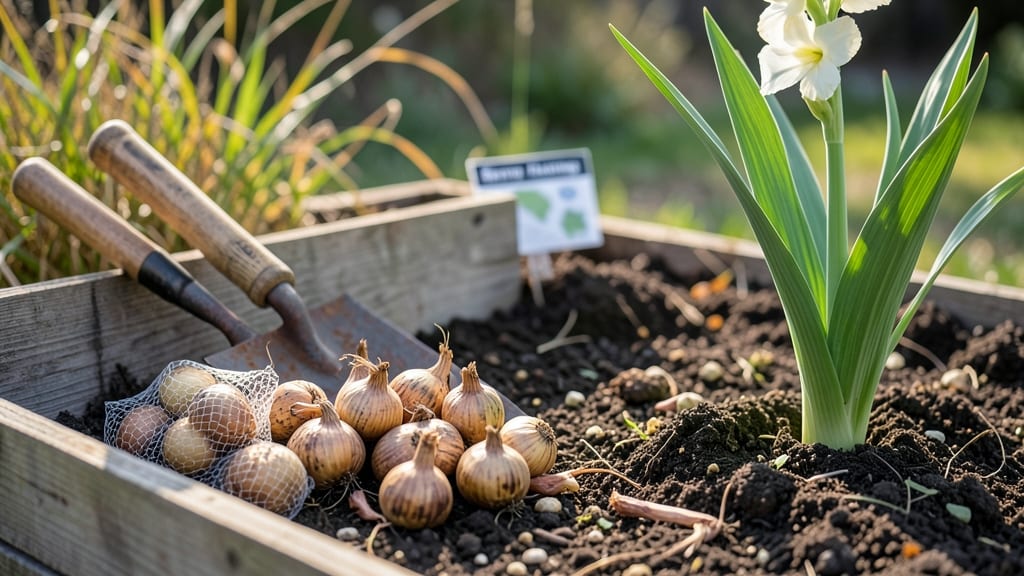
Planting gladiolus bulbs at the wrong time in North Carolina can mean the difference between showstopping blooms and a sad, wilted disappointment. These striking 🌸 flowers thrive when planted just right—after the last frost but before the soil gets too hot.
For gardeners in zones 7a-8b, timing is everything. Too early, and a late frost will kill your tender corms; too late, and your summer blooms might never appear. The ideal window is late March to early May, when soil temperatures hit 60°F consistently.
I’ve learned the hard way—skipping this window means smaller blooms or no flowers at all. But with the right schedule, you’ll enjoy vibrant spikes from July through September, turning your garden into a summer-long spectacle.
Let’s break down the exact steps to plant your gladiolus bulbs for maximum impact, including soil prep, spacing, and regional adjustments to handle NC’s unpredictable weather.
Best gladiolus planting timeline in North Carolina by first frost date
North Carolina’s USDA zones 7a-8b offer a 180-200 day frost-free season, giving gladiolus plenty of time to thrive—but timing is everything. Plant too early, and late frosts (common in March) will damage tender corms.
Plant too late, and you’ll miss the summer bloom window that makes these flowers a showstopper.
For bold, long-lasting blooms, aim to plant gladiolus corms 4-6 weeks before your region’s last frost date. This gives roots time to establish before the heat of summer. In North Carolina, that typically means late March to early May, but exact timing varies by microclimate.
Here’s how to pinpoint your ideal planting window based on North Carolina’s frost zones:
| Region | Last Frost Date | Ideal Planting Window | Soil Temp Threshold | Bloom Window |
|---|---|---|---|---|
| Coastal (Wilmington, Morehead City) | March 1-15 | Late February - Early April | 60°F+ (15°C+) | June - August |
| Piedmont (Raleigh, Charlotte) | March 15-30 | Late March - Early May | 60°F+ (15°C+) | July - September |
| Mountains (Asheville, Boone) | April 1-15 | Late April - Early June | 65°F+ (18°C+) | August - October |
Note: Use a soil thermometer to confirm readiness—gladiolus corms need consistent warmth to sprout.
For extended blooms, try staggered planting: Start with early varieties in late March, then add mid-season types 2-3 weeks later. This creates a continuous color show from June through September. Just be sure to space varieties 6 inches apart to avoid overcrowding.
Pro tip: In humid NC summers, mulch with 2-3 inches of pine straw to retain moisture and prevent fungal diseases. Avoid wet mulch, which can rot corms.
If you’re in Zone 8b (southern NC), you can even try a fall planting for late-summer blooms—just plant in late August to early September and expect flowers by November before frost.
Remember: Gladiolus corms are not frost-hardy. If an unexpected late frost hits, cover plants with row fabric or a cloche until temperatures stabilize.
For peak performance, pair your planting with well-draining soil (amend heavy clay with compost) and a balanced fertilizer (10-10-10) at planting time. This sets the stage for taller stems and bigger blooms—perfect for cutting gardens!
🌸
How to adjust planting for North Carolina’s microclimates and soil types
North Carolina’s diverse geography means your gladiolus planting schedule should shift based on whether you’re in the humid Coastal Plain, the clay-heavy Piedmont, or the cooler Mountain regions. Each area has unique soil conditions and microclimates that demand adjustments to planting depth, timing, and even bulb varieties.
Let’s break down how to adapt your approach for showstopping blooms no matter where you garden.
For Coastal Plain gardeners (like those in Wilmington or Morehead City), sandy loam soils drain too quickly, so you’ll need to amend with organic matter like compost to retain moisture.
Plant your gladiolus corms 4-6 weeks before your last frost date—typically mid-February to early March—to give roots time to establish before summer heat arrives. Choose heat-tolerant varieties like 'Red Beauty' or 'White Friendship' for longer bloom seasons.
In the Piedmont region (Raleigh, Charlotte), clay soils hold moisture but can suffocate roots if not amended. Test your soil’s drainage by digging a hole and filling it with water—if it drains in less than 2 hours, it’s safe for gladiolus.
For this area, aim to plant late March to early April, when soil temperatures consistently stay above 60°F. Add 1-2 inches of sand or perlite to planting holes to improve aeration.
🌱 Key Adjustments by NC Region
Sandy soil → Add compost
Plant: Feb-March
Varieties: Heat-tolerant
Clay soil → Amend with sand
Plant: Late March-April
Depth: 6 inches
Cool soils → Plant later
Plant: April-May
Mulch heavily
Mountain gardeners in Asheville or Boone face cooler soils and shorter growing seasons. Wait until mid-April to early May to plant, when nighttime temperatures stay above 50°F. Use black plastic mulch to warm the soil faster and protect against late frosts.
Dwarf varieties like 'Picasso' or 'Green Star' thrive in these conditions and produce earlier blooms before summer’s end.
To extend your gladiolus season, try staggered planting: plant a third of your bulbs every 2-3 weeks starting in early spring. This ensures continuous blooms from July through September, even in NC’s humid climate.
For extra protection against fungal diseases (common in NC’s heat and humidity), apply a fungicide like copper spray at planting and again when flower spikes emerge.
One final tip: Adjust planting depth based on your soil type. In sandy Coastal Plain soils, plant corms only 4 inches deep to encourage faster sprouting. In heavy Piedmont clay, go 6 inches deep to prevent corms from heaving out of the ground during summer rains.
Always space bulbs 6 inches apart to allow airflow and reduce disease risk.
With these regional tweaks, your gladiolus will thrive whether you’re battling Coastal humidity, Piedmont clay, or Mountain coolness. Happy planting—your garden’s summer show is about to begin! 🌸