
Plants
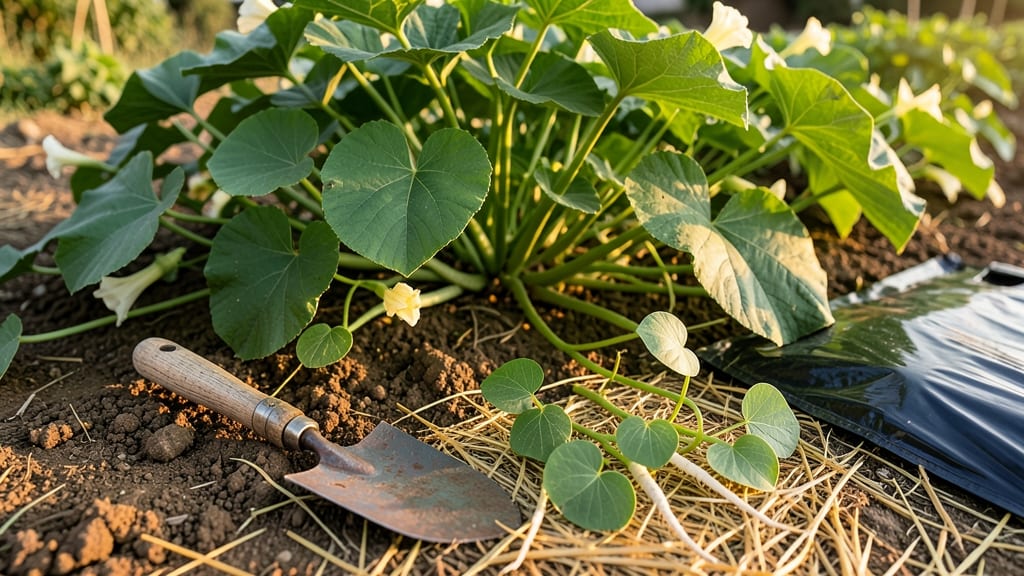
Planting sweet potatoes in Alabama at the wrong time can mean the difference between a 90-day harvest of golden tubers and a total flop. Unlike other crops, these heat-loving roots need soil that’s warm enough to kickstart growth—typically after the last frost, when temperatures consistently stay above 65°F.
If you’ve ever wondered why your sweet potato plants wilted or failed to produce, timing is likely the culprit.
Alabama’s diverse climate—from the cooler hills of USDA Zone 7b to the balmy South—means your planting window isn’t one-size-fits-all. The ideal stretch runs from mid-April to mid-June, but even then, soil temperature matters more than the calendar.
Slips (young plants) thrive when the ground is ready, not just when the air is warm. Skipping this step could leave you with stunted growth or pests taking over before your harvest.
Here’s the good news: with the right approach, you can enjoy a summer-to-fall bounty of sweet potatoes that store beautifully for months.
I’ll break down exactly when to plant in your specific heat zone, how to prep your soil for Alabama’s humidity, and what to watch for once those vines start spreading. Let’s get those 🍠 growing!
Whether you’re a first-time gardener or a seasoned pro, mastering the timing will transform your yield. We’ll also cover Alabama-specific challenges like late spring rains or summer droughts—and how to outsmart them. Ready to dig in?
Alabama’s sweet potato planting timeline by heat zone (USDA 7a-8b)
Alabama’s diverse climate means sweet potato planting times vary dramatically between North Alabama (USDA 7a) and South Alabama (USDA 8b). In cooler northern regions like Huntsville, aim for mid-April to early May when soil temperatures consistently hit 65°F (18°C).
Meanwhile, in warmer southern areas like Mobile, you can start as early as late March—just avoid planting before the last frost date.
The key is soil warmth, not just air temperature. Use a soil thermometer to confirm 65°F+ at 4 inches deep before planting. Cold soil stunts growth and invites rot.
Alabama’s 210 frost-free days give you flexibility, but timing directly impacts your 90-day harvest window—critical for avoiding early fall frosts.
Here’s your heat zone breakdown for Alabama, including ideal transplanting periods and frost-free benchmarks:
| Region | USDA Zone | Last Frost | Planting Window | Soil Temp Requirement | Harvest Window |
|---|---|---|---|---|---|
| North Alabama (Huntsville, Decatur) | 7a | April 1 | Mid-April to early May | 65°F+ (18°C) | Late September to mid-November |
| Central Alabama (Birmingham, Montgomery) | 7b-8a | March 15 | Late March to early June | 65°F+ (18°C) | Early September to late November |
| South Alabama (Mobile, Dothan) | 8b | February 28 | Late February to mid-June | 60°F+ (15°C) for early starts | Mid-August to December |
Pro tip: Extend your harvest by planting successive batches every 2-3 weeks. In South Alabama, you can even squeeze in a fall crop by planting in early July for a late October harvest. Just watch for hurricane season—protect plants if storms threaten.
For container growing, use black pots to absorb heat and plant 2-3 weeks earlier than in-ground. Containers warm up faster, helping you meet that 65°F soil temp threshold sooner. Just ensure pots have drainage holes to prevent rot in Alabama’s humid summers.
Missed the spring window? Don’t panic. Alabama’s long growing season allows for late summer planting (June-July) if you’re targeting a fall harvest. Just reduce your watering slightly as summer heat arrives to prevent disease pressure from excess moisture.
Remember: Sweet potatoes hate cold. Even a light frost will kill foliage, and tubers won’t develop properly. Use row covers if early-season nights dip below 50°F (10°C), especially in North Alabama’s USDA 7a zone.
5 Critical factors that determine your planting success in Alabama
Alabama’s climate is perfect for sweet potatoes—but planting success depends on more than just timing. The soil temperature, humidity levels, and even local rainfall patterns play huge roles. Let’s break down the 5 critical factors that’ll make or break your harvest in Alabama.
First, soil warmth is non-negotiable. Sweet potatoes won’t sprout until the soil reaches 65°F (18°C). In North Alabama (USDA 7a), this usually happens by mid-April, while South Alabama (USDA 8b) hits that mark by early April. Always check with a soil thermometer before planting.
Next, humidity and drainage are Alabama-specific challenges. Too much moisture leads to rotten tubers, while poor drainage causes stunted growth. Alabama’s clay-heavy soils in some areas need amendments like compost or sand to improve airflow.
Test your soil’s drainage by digging a hole—if water pools after 6 hours, you’ll need to fix it before planting.
Wait until soil reaches 65°F (18°C)—use a thermometer!
Alabama’s clay soils need compost or sand to prevent rot.
Plant after last frost (North AL: April 15; South AL: March 20).
Watch for sweet potato weevils and fungal blights—common in Alabama’s humidity.
6+ hours of full sun daily is a must—Alabama’s summer sun helps speed up growth!
Don’t overlook pest pressure in Alabama. Sweet potato weevils and fungal blights thrive in the humid summers. Use row covers early in the season and rotate crops yearly to reduce risks. If you notice yellowing leaves or chewed foliage, act fast—these pests spread quickly in Alabama’s heat.
Finally, sunlight exposure is your secret weapon. Alabama’s long, hot summers give sweet potatoes the 6+ hours of full sun they crave. If you’re in a shady spot, consider container growing near a south-facing wall to maximize light. Remember: more sun = faster growth and bigger tubers!
Pro tip: Mark your planting date on a calendar and count back 90-120 days to estimate harvest time. Alabama’s first frost usually hits by mid-November, so plan accordingly to avoid losing your crop to cold snaps.
With these factors in check, you’re set for a thriving sweet potato harvest! 🍠