Plants
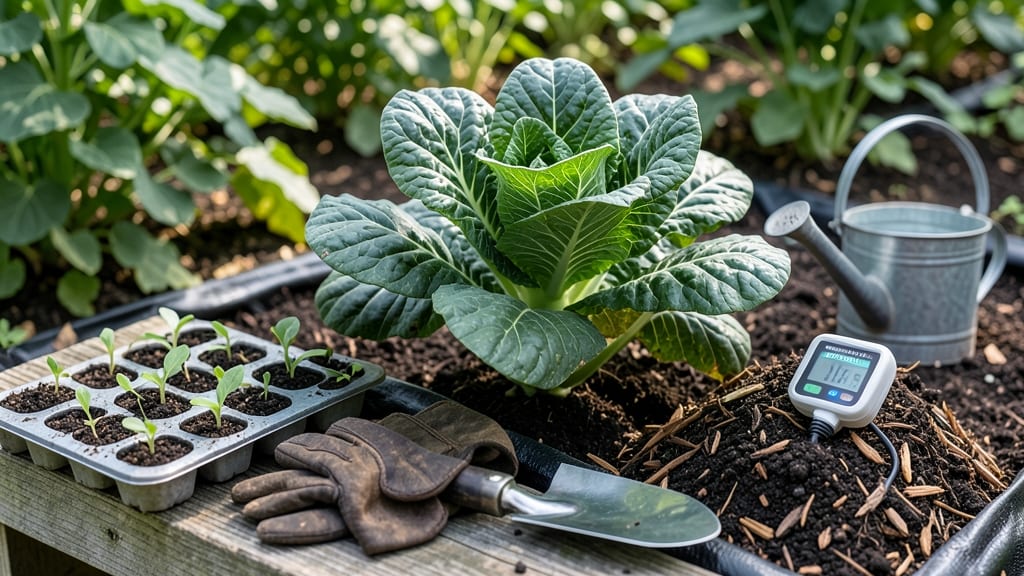
Planting collard greens at the wrong time in North Carolina can turn your garden into a bitter disappointment—those tender 🥬 leaves you crave will taste tough or bolt before you know it.
The key to sweet, flavorful collards lies in understanding your local heat zone and frost dates, which vary dramatically from the mountains to the coast.
If you’ve ever wondered why some gardeners swear by spring planting while others insist on fall, here’s the secret: timing isn’t just about months—it’s about soil temperature, frost risk, and how your specific 7a-8b zone behaves.
I’ll break down the exact windows for both spring and fall planting, so you can avoid the most common mistakes that lead to wasted effort.
Whether you’re in the Piedmont’s rolling hills or the Coastal Plain’s humid lowlands, knowing when to get those seeds in the ground makes all the difference.
You’ll learn how to calculate your first frost date, choose the right varieties for your climate, and even extend your harvest well into winter—no guesswork required.
Ready to grow collards that taste as good as they look? Let’s dive into the optimal planting schedule that’ll have you harvesting fresh greens from May through November.
North Carolina heat Zones for collard green planting: best months by region
North Carolina’s diverse climate—from the cool mountain valleys of the Appalachians to the humid coastal plains—means your collard green planting window can vary by hundreds of miles.
Understanding your USDA hardiness zone (typically 7a-8b) and microclimate (like elevation or proximity to water) is key to avoiding bitter leaves or stunted growth.
Most NC gardeners focus on two planting cycles: spring (for summer harvests) and fall (for winter harvests). However, Zone 6b gardeners in the mountains may need to adjust timelines by 2-3 weeks compared to Zone 8a gardeners in the coast.
Let’s break it down by region to pinpoint your ideal planting dates.
🌱
If you’re in the Piedmont region (like Raleigh or Greensboro), March 15 - April 30 is your sweet spot for spring planting. Aim to have seedlings ready 4-6 weeks before your last frost date (typically April 15).
For fall planting, August 1 - September 15 ensures collards mature before first frost (usually November 1).
Coastal gardeners (Zones 8a-8b) can push spring planting earlier—even late February—thanks to milder winters. However, humidity here can lead to fungal diseases like downy mildew, so space plants 18-24 inches apart and avoid overhead watering. Mountain gardeners (Zones 6b-7a) should wait until mid-March and use row covers to extend the season.
🌡️
Pro tip: Check your local extension office (like NC State Extension) for hyper-local frost dates. Microclimates—such as urban heat islands or sheltered valleys—can shift your planting window by 1-2 weeks. For example, Asheville’s last frost might be May 1, while Charlotte’s is March 25.
Soil temperature is just as critical as air temperature. Collard seeds won’t germinate below 45°F, so use a soil thermometer to confirm readiness. In cooler zones, soak seeds overnight or use heat mats to jumpstart germination. Warmer zones (like the coast) can plant seeds directly in the ground as early as February, but transplants (from nurseries) give you a 2-3 week head start on growth.
🌱
Avoid these common mistakes: Planting too early in Zone 6b (risking frost damage) or too late in Zone 8b (leaving collards bitter from heat stress). Fall planting is trickier—if you sow seeds after September 15, your harvest may not mature before frost. Instead, transplant seedlings in early August for a reliable October-November harvest.
Bonus: If you love year-round collards, try succession planting every 2 weeks in spring and fall. This ensures a continuous supply of tender leaves while older plants bolt or become tough. Just mark your calendar for March 1, April 1, August 1, and September 1 as your key planting dates!
How to time collard green planting for maximum frost resistance and harvest
Timing your collard green planting is everything in North Carolina. Plant too early, and the cold soil slows germination. Plant too late, and your harvest shrinks before first frost hits. The key? Start when soil temperatures hit 45°F+—this ensures fast sprouting and strong roots before winter sets in.
For spring planting, aim for March 15 to April 30. This gives plants 6-8 weeks to mature before summer heat arrives. In fall, plant between August 1 and September 15—early enough to establish roots but late enough to avoid bolting from summer heat.
Use this frost date rule: Plant 4-6 weeks before your average last frost (typically April 15 in NC) for spring. For fall, plant 6-8 weeks before your first frost (usually November 1). Check your local USDA Zone—Zones 7a-8b have slightly different windows.
Planting too close to frost stunts growth. Collards need 60+ days to mature—don’t risk it! Use row covers to extend seasons by 2-3 weeks if needed.
For succession planting, sow new seeds every 2-3 weeks after your initial planting. This ensures a continuous harvest from spring through fall. In Zone 8a (e.g., Raleigh), you might even get a winter harvest if protected by mulch or cold frames.
Always test your soil temperature with a thermometer—below 45°F delays germination. If your soil is too cold, wait 1-2 weeks or use black plastic mulch to warm it faster. Pro tip: Morning sun on bare soil raises temps quicker than afternoon light.
Harvest starts when leaves reach 6-12 inches. In NC, this typically means May-June for spring plantings and October-November for fall. Cut outer leaves first to keep plants producing—this encourages regrowth and extends your harvest by 30-50%.