Plants
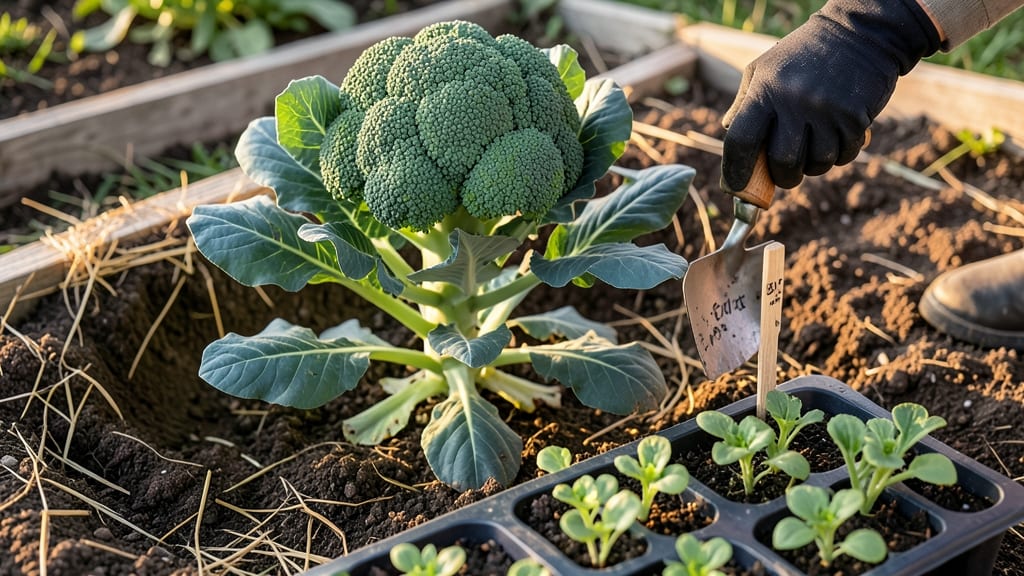
Planting broccoli 🥦 in Massachusetts at the wrong time can mean the difference between a bumper crop and a sad, wilted disappointment.
Whether you're a first-time gardener or a seasoned green thumb, getting the timing right is the key to success—especially when dealing with our unpredictable spring frosts and summer heat.
I've learned the hard way that broccoli thrives when planted 2-3 weeks before your last frost date, which typically lands in mid-April for most of the state.
But here's the catch: coastal areas like Cape Cod often warm up faster than inland spots, so your exact window might shift by a week or more. Let me break down the precise frost-free timeline by region so you can avoid common mistakes and maximize your harvest.
You'll discover how to adjust for Massachusetts' unique microclimates, whether you're growing in the cooler hills of the Berkshires or the milder coastal plains. We'll also cover the best varieties for your zone and how to handle those tricky late frosts that can sneak up even in May.
Ready to grow broccoli like a pro? Let's get started.
By the end of this guide, you'll know exactly when to plant—whether you're starting seeds indoors in February or transplanting in April—and how to keep your 🥦 plants happy through summer's heat. No more guessing games, just reliable results for your Massachusetts garden.
Massachusetts broccoli planting dates by region: frost-free timeline
Massachusetts’ diverse climate means your broccoli planting dates depend heavily on whether you’re in Coastal, Central, or Western MA. Coastal areas (like Cape Cod) enjoy earlier last frosts (mid-April), while inland zones (like Worcester) often see frost lingering until late April.
Plan accordingly to avoid frost damage or heat bolting.
For spring broccoli, the sweet spot is 2-3 weeks before your region’s last frost. In Western MA, that’s typically mid-April, while Coastal MA gardeners can start as early as late March.
Fall plantings should happen 8-10 weeks before first frost (early September for most regions), allowing time for harvest before winter.
Here’s a breakdown of your planting windows by region, including both direct sowing and transplanting methods for optimal results.
If you’re direct sowing seeds, aim for 4-6 weeks before last frost. For transplants, buy 6-week-old seedlings and set them out 2-3 weeks before last frost. This timing ensures strong root establishment before active growth begins.
Coastal gardeners can squeeze in a second fall crop by planting in early September, while inland areas should finish by mid-August.
For fall broccoli, prioritize heat-tolerant varieties like ‘De Cicco’ or ‘Waltham 29’ to avoid bolting as days shorten. Start seeds indoors in July and transplant in early August for a late-October harvest. Use mulch to retain soil warmth and shade cloth during heatwaves to protect young plants.
Microclimates matter! South-facing slopes warm up faster, allowing earlier plantings, while low-lying areas may need row covers longer. Check your USDA Zone (5b-7a in MA) and adjust by 1-2 weeks if your yard differs from regional averages.
Always monitor local frost forecasts—especially in Western MA, where late frosts are common. Use frost cloth or black plastic mulch to protect seedlings if temperatures dip below 28°F. With precise timing, you’ll enjoy homegrown broccoli from June through November!
🌱
Massachusetts broccoli planting dates by region: frost-free timeline
Massachusetts’ diverse climate means broccoli planting dates vary by region—coastal areas warm earlier than inland zones. For Zone 5-6 gardens, timing your spring and fall crops around frost dates (mid-April to mid-October) is critical to avoid bolt risk or frost damage.
Below are precise windows for direct sowing and transplanting in three key regions.
In Coastal MA (e.g., Boston, Cape Cod), milder winters and earlier springs let you start transplants 2-3 weeks earlier than inland areas. Meanwhile, Western MA (e.g., Springfield, Worcester) often faces late spring frosts, so plan for row covers or staggered plantings.
Fall crops thrive in all regions if sown by early September for harvest before first frost.
| Region | Last Frost (Avg.) | Spring Transplant Window | Direct Sow Start | Fall Planting Window |
|---|---|---|---|---|
| Coastal (Boston, Cape Cod) | Mid-April | Late March–early April | Early April–May | Late August–early Sept |
| Central (Worcester, Springfield) | Early May | Early–mid April | Mid-April–May | Mid-August–early Sept |
| Western (Pittsfield, Berkshires) | Late April–early May | Late April–early May | Late April–June | Late August–Sept 10 |
For direct sowing, broadcast seeds ¼-inch deep in well-drained soil with compost added for fertility. Coastal gardeners can start as early as late March, while inland areas should wait until soil temps hit 40°F.
Use black plastic mulch to warm soil faster in cooler zones like the Berkshires.
Fall broccoli is a game-changer for MA gardens—sow seeds 8–10 weeks before first frost (typically late August) for harvests in October–November. Choose cold-hardy varieties like ‘Waltham 29’ to tolerate light frosts without bolting. Succession plant every 2 weeks in fall for continuous harvests.
Pro tip: Monitor local frost forecasts via Massachusetts Ag Weather or NOAA—a 5°F dip can delay planting by weeks. Use frost cloth for early transplants in high-risk areas like the Pioneer Valley.
Remember, bolt-resistant varieties like ‘De Cicco’ handle MA’s summer heat better than standard types. Pair with shade cloth in July to prevent premature flowering.