
Trees
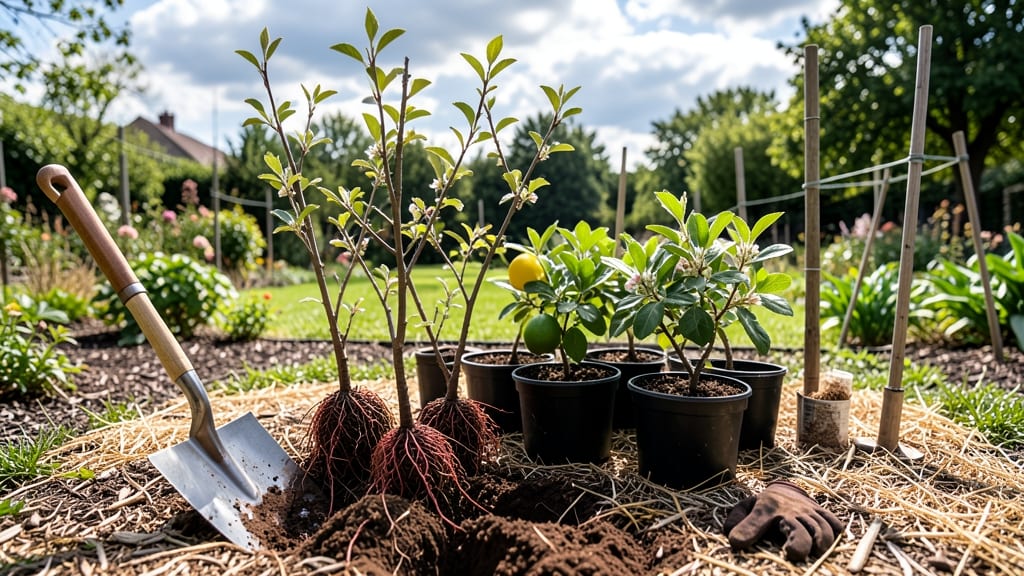
Planting fruit trees in New Zealand at the wrong time can turn your orchard dreams into a frost-kissed disappointment—soil warmth and regional frost patterns are the real game-changers here.
Whether you're in the balmy Northland or the cooler reaches of Central Otago, timing matters more than you might think. The difference between a thriving orchard and a sad, frost-nipped sapling often comes down to when you get those roots in the ground.
I've seen firsthand how a single week too early or late can make all the difference for varieties like citrus in Auckland or apples in Wanaka.
Let me show you exactly when to plant for your specific region, so you can avoid common mistakes and set your trees up for success.
From soil temperature thresholds to frost-free deadlines, we'll cover everything you need to know to plant with confidence—no more guessing games about whether your fruit trees will survive the season.
New Zealand fruit tree planting deadlines by soil warmth zones
New Zealand's diverse climate means your fruit tree planting deadline depends on where you live. The North Island's warmer soils (like Northland) allow planting as early as late winter (August), while cooler regions (e.g., Central Otago) need to wait until spring (October-November) when soil reaches 10°C+.
This 10°C soil temperature is your golden rule—it signals roots can establish without frost damage.
Citrus trees (like lemon or mandarin) in Northland or Auckland can go in August-September, but in Wellington or Christchurch, wait until October-November. Stone fruits (apricots, plums) thrive when planted in autumn (March-May) as bare-root saplings, giving roots time to settle before winter.
Use this soil warmth map as your guide: Northern regions (e.g., Bay of Plenty) have 10°C soil by late August, while Southern regions (e.g., Canterbury) may not hit it until November.
Check your local MetService frost forecasts—some areas (like Central Otago) have late spring frosts that can kill young trees.
Here’s how to test your soil warmth: Insert a soil thermometer 10cm deep. If it reads 10°C+, it’s safe to plant. For bare-root trees, aim for soil temps above 12°C—this prevents root shock. In cooler climates, use mulch to retain warmth and protect roots.
Microclimates matter! A north-facing slope in South Island may warm up faster than flat land. If you’re unsure, ask local nurseries (like Orchard Supply or Plant & Food Research) for region-specific advice. They’ll know which fruit tree varieties thrive in your area.
🌱
For bare-root trees, autumn planting (March–May) is ideal—they enter dormancy and establish roots before winter. If you miss this window, potted trees can go in spring (September–November), but they’ll need extra watering to avoid transplant shock.
In Northland, you can even plant citrus in winter (June–July) if using protected microclimates (e.g., north-facing walls).
Pro tip: If your soil is too cold, plant in containers and bury them halfway to stabilize roots. This buys time until soil warms. For frost-prone areas, choose hardy varieties like Cox’s Orange Pippin (apple) or Santa Rosa plum—they tolerate light frosts better than tropical types.
Always check the last frost date for your area (use NIWA’s frost maps) and plant 2–3 weeks after to give young trees time to harden off. In South Island, this could mean waiting until mid-November—patience pays off with stronger growth.
🌿
Critical mistakes to avoid when planting fruit trees in NZ seasons
Planting fruit trees in New Zealand’s diverse climate zones requires precision—one wrong move, and your young saplings could face frost damage or stunted growth. I’ve learned the hard way that regional timing isn’t just about seasons; it’s about soil warmth and microclimates that most guides overlook.
First, many gardeners rush to plant citrus trees in cooler regions like Canterbury or Wellington too early. These tropical beauties need consistent soil temps above 10°C—waiting until late spring (November) avoids frost shock. I’ve seen lemon trees with blackened leaves because someone planted them in September.
Here’s the visual breakdown of common pitfalls and how to dodge them:
⚠️ Warning: NZ Planting Blunders
- Ignoring frost-free dates: Planting stone fruits (peaches, plums) before your region’s last frost (15 April in South Island) risks bud damage.
- Skipping soil prep: Heavy clay soils in Taranaki need gypsum or compost—planting without amending leads to root rot.
- Overlooking microclimates: A north-facing slope in Nelson warms faster than flat land—plant berries 2 weeks earlier there.
- Using bare-root trees in summer: These dry out fast—stick to potted varieties if planting in December-February.
🌱 Pro Tip: Check your local NIWA frost maps before digging—it’s your best defense against winter surprises.
Another mistake? Planting dwarf varieties too deep. The graft union (where the rootstock meets the scion) must stay 2-3cm above soil level. I once buried a columnar apple tree too deep—it took 2 years to recover. Use a stake to mark the union until roots establish.
For North Island gardeners, autumn planting (March-May) works for bare-root trees, but only if you water deeply before the first rains. In South Island, wait until mid-spring (October) to avoid late frosts that hit Central Otago as late as June.
Lastly, don’t assume all fruit tree nurseries offer climate-matched stock. I once bought a fig tree for Auckland that struggled in Christchurch’s cooler summers. Always ask for region-specific varieties—your local Plant & Food Research hub can point you to the right ones.
By avoiding these mistakes, your fruit trees will establish roots faster, resist pests better, and bear fruit sooner. The key? Patience and local knowledge—two things no app can replace. 🌿