
Plants
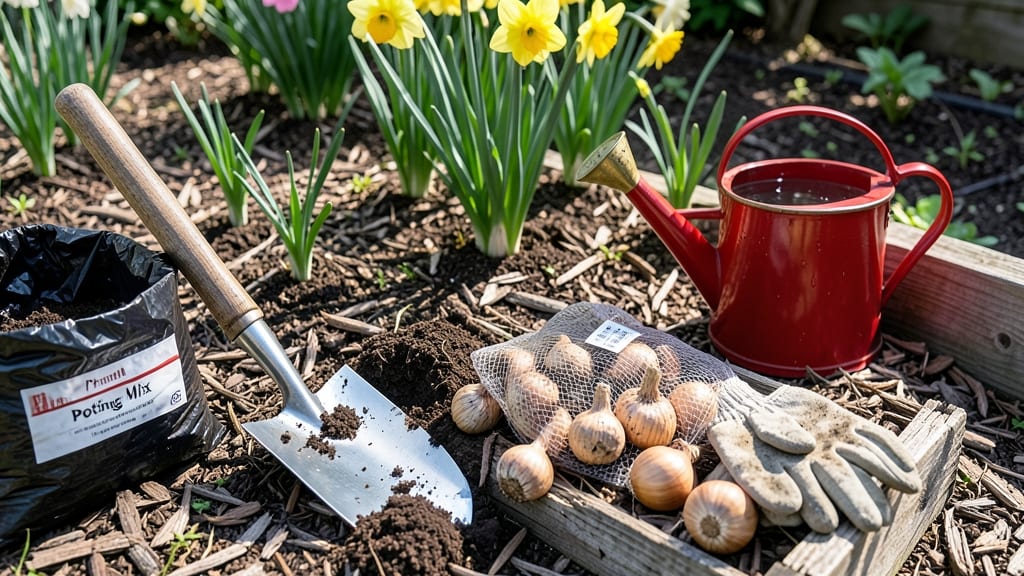
Planting daffodils in Zone 9b’s mild winters might seem tricky—after all, these cheery 🌼 blooms traditionally thrive in cooler climates. But with the right timing, you can still grow vibrant daffodils that survive the heat and bloom beautifully in your desert or coastal garden.
The key is planting during the cooler months when soil temperatures drop below 80°F. Unlike traditional zones, Zone 9b’s frost-free winters mean you’ll need to adjust your schedule to avoid summer heat stress, which can cause bulbs to rot.
I’ll show you exactly when to plant for zero-frost survival and how to prepare your soil for success.
Whether you’re in Phoenix or Southern California, this guide will walk you through the best 4-6 week window for planting—plus tips for choosing heat-tolerant varieties and post-planting care. Let’s get those bulbs in the ground the right way so you can enjoy spring blooms year after year.
From soil prep to watering schedules, I’ll cover everything you need to know to make your daffodils thrive in Zone 9b’s unique climate. Ready to turn your garden into a burst of color? Let’s dive in.
Optimal planting months for daffodils in Zone 9b: avoiding heat and rot
In Zone 9b, where winters are mild and frost is rare, planting daffodils requires a different approach than in colder climates. The key is to plant when soil temperatures drop below 70°F but before summer heat returns.
This window prevents bulbs from rotting or drying out—common issues in Zone 9b’s warm climate.
Most gardeners in Zone 9b aim to plant daffodils between mid-October and mid-November. This timing allows bulbs to establish roots before the ground heats up again in late winter or early spring. However, planting can extend into December or even January if your region experiences cooler winters.
Why avoid summer planting? Daffodil bulbs are sensitive to heat and can rot if planted when soil temperatures exceed 80°F. Even in Zone 9b, summer heat can stress newly planted bulbs, reducing their chances of blooming the following spring.
For best results, focus on planting during the cooler months when soil is workable but not frozen. This typically means targeting November and December as your primary planting window, with flexibility for early October or late January in microclimates with cooler conditions.
Here’s what you need to know about soil conditions: Daffodils thrive in well-draining soil with a pH between 6.0 and 7.0. In Zone 9b, sandy or loamy soils are ideal because they prevent waterlogging, which can lead to bulb rot—a major concern in warm climates.
If your soil is heavy clay or retains too much moisture, amend it with compost or perlite before planting. This improves drainage and mimics the bulbs’ natural habitat, which is crucial for preventing fungal diseases that thrive in damp conditions.
Another critical factor is bulb selection. Choose heat-tolerant varieties like 'Ice Follies' or 'Tahiti,' which are better suited to Zone 9b’s warm winters. These varieties are less likely to suffer from heat stress and can handle the region’s unique growing conditions.
Once planted, mulch around the bulbs with 2-3 inches of organic mulch (like straw or shredded leaves) to insulate them from temperature fluctuations. This step is especially important in Zone 9b, where daytime and nighttime temperatures can vary significantly.
Timing your planting correctly ensures your daffodils will bloom vibrantly in early to mid-spring, even in a frost-free zone. With the right approach, you can enjoy these cheerful flowers year after year without the risks of rot or heat damage.
| Factor | Zone 9b Specification | Why It Matters |
|---|---|---|
| Soil Temperature | Below 70°F | Prevents bulb rot and encourages root growth. |
| Planting Window | Mid-October to January | Avoids summer heat and ensures spring blooms. |
| Soil Type | Well-draining, sandy/loamy | Reduces risk of fungal diseases in warm climates. |
| Bulb Depth | 6-8 inches deep | Protects bulbs from temperature extremes. |
| Mulch Thickness | 2-3 inches | Insulates bulbs and retains moisture. |
If you miss the ideal planting window, don’t panic! You can still plant daffodils in Zone 9b during early spring (February or March), but expect blooms later in the season. Just ensure the soil is cool and moist, and provide some shade if temperatures spike.
For container gardening in Zone 9b, use pots with drainage holes and plant bulbs in well-draining potting mix. This setup gives you more control over soil conditions and reduces the risk of rot, making it easier to grow daffodils successfully in warm climates.
Finally, remember that patience is key in Zone 9b. Daffodils may take a year or two to fully establish and bloom reliably, but with the right planting timing and care, they’ll reward you with stunning spring flowers for years to come.
Zone 9b daffodil planting calendar: month-by-month survival guide
In Zone 9b, where winters rarely drop below 30°F, daffodils need a different approach than colder zones. The key is planting when soil temperatures stay below 70°F to prevent bulb rot. Here’s my month-by-month guide to timing your planting for zero-frost success.
Start with October as your earliest window—this gives bulbs time to root before summer heat returns. However, avoid planting in September or later, as soil temperatures often exceed 75°F, causing bulbs to sprout prematurely and weaken.
November and December are your sweet spots. These months offer cooler soil, typically 60-68°F, and minimal rain, reducing fungal risks. Aim to plant by December 15th to allow roots to establish before spring growth begins.
January and February are still viable, especially for late-blooming varieties like 'Carlton' or 'Tahiti'. Plant these in January to ensure blooms align with your local spring. February plantings may push blooms into early summer, which can be too hot for some varieties.
- October: Test soil moisture—plant if below 70°F. Amend soil with compost for drainage.
- November: Ideal window! Plant 6-8 weeks before first spring rains. Choose dwarf varieties for containers.
- December: Last chance for early bloomers. Mulch with 2-3 inches of straw to retain moisture.
- January: Plant late-blooming types. Water deeply once weekly if no rain.
- February: Riskier—only for heat-tolerant varieties. Monitor for spring sprouting signs.
After planting, mulch heavily (3-4 inches) to insulate bulbs from summer heat. In Zone 9b, daffodils need consistent moisture but hate soggy soil. Water deeply once weekly during dry spells, focusing on the root zone.
Pro tip: Mark your planting spots with biodegradable flags—Zone 9b’s lack of frost means you won’t have visual cues like snow or frozen ground to remind you where bulbs are planted. This helps avoid accidental digging in spring!