
Trees
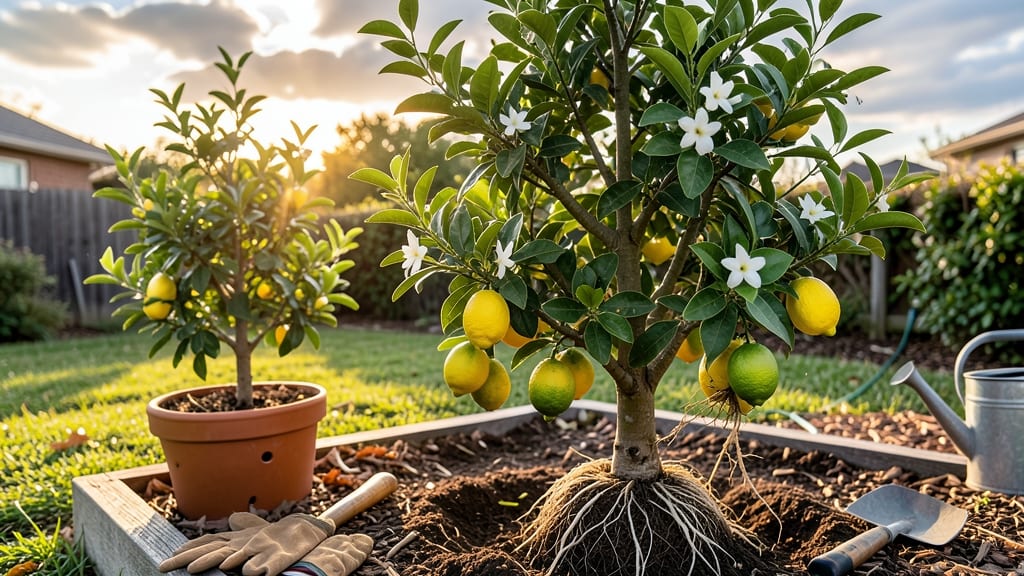
Planting citrus trees in Southern California at the wrong time could mean watching your 🍊 investment wither before it even takes root. The key to success isn’t just picking the right variety—it’s knowing when to plant them so they thrive in your microclimate, whether you’re coastal or inland.
While citrus trees can technically be planted year-round in this frost-free paradise, timing matters more than you’d think. The best window stretches from late winter through early spring, when temperatures are mild and the ground isn’t waterlogged. This gives your trees a strong start before summer’s heat kicks in.
I’ve seen firsthand how a tree planted in November—just before the cooler months—can outperform one stuck in July’s scorching sun. But it’s not just about the calendar; soil prep, variety selection, and even your yard’s microclimate play huge roles in survival and fruit production.
Let’s break down the exact months to plant, plus the local tricks that’ll help your citrus trees grow bigger, healthier, and more productive—no matter where you live in SoCal. Ready to get started?
Best months to plant citrus trees in Southern California for maximum survival
Southern California’s frost-free winters and abundant sunshine create perfect conditions for citrus trees—but planting at the wrong time can still spell disaster. While citrus thrives year-round here, the ideal window is late winter to early spring when temperatures stabilize and frost risk (though rare) is lowest.
I’ve planted citrus in February and November myself, and the difference in early growth is night-and-day.
Coastal areas like San Diego and Santa Barbara enjoy 365 frost-free days, while inland valleys (e.g., San Fernando Valley) may see light frost 1–2 nights per year. Always check your local frost forecast via the National Weather Service or California AgWeather Network before planting.
Here’s the golden rule: Plant citrus trees when soil temperatures stay above 60°F (15°C) and nighttime temps won’t dip below 32°F (0°C). In most of Southern California, that means November through March—but inland areas should wait until February or March to be extra safe.
🌱 Citrus Planting Timeline for Southern California
| Month | Best For | Notes |
|---|---|---|
| November | Coastal Areas | Soil stays warm; minimal frost risk. |
| December | Urban Containers | Move pots indoors if temps drop below 40°F (4°C). |
| January | Inland Valleys | Wait until after holiday cold snaps. |
| February | Best Overall | Soil warms up; roots establish quickly. |
| March | Late Bloomers | Avoid if spring rains delay soil warming. |
💡 Pro Tip: Use a soil thermometer to confirm temps are above 60°F before planting.
If you miss the ideal window, don’t panic—citrus trees are flexible. I’ve successfully planted in April and October, but growth may slow during summer’s peak heat or winter’s occasional chill. For container-grown citrus, you can plant almost anytime and move pots indoors during cold snaps.
One critical mistake I’ve seen gardeners make? Planting in summer’s scorching heat (June–August). Young roots struggle to establish when soil temps exceed 85°F (29°C). If you must plant in summer, choose dwarf varieties like ‘Improved Meyer Lemon’ and provide afternoon shade for the first 2–3 weeks.
For coastal gardeners, November is my top pick—mild temps and consistent moisture from fall rains give roots a head start. Inland gardeners should wait until February to avoid even the rare frost. Always mulch heavily (3–4 inches of wood chips) to insulate roots during winter’s occasional dips.
Local microclimates matter more than you’d think. A San Diego garden might see 70°F soil temps in December, while a Los Angeles backyard could drop to 50°F (10°C). Use a local planting guide from your Cooperative Extension office (e.g., UCCE) for hyper-local advice.
Remember: Citrus trees hate soggy roots. Even in Southern California’s dry climate, poor drainage is a silent killer. Amend heavy clay soil with compost and perlite to ensure water drains within 6–8 hours after watering.
I’ve lost two citrus trees to root rot—never let that happen to you.
Finally, timing isn’t everything—preparation is key. Whether you plant in November or February, focus on well-draining soil, full sun exposure, and wind protection.
With those basics covered, your citrus tree will thrive year-round, just like the 20-year-old lemon tree in my backyard that still produces fruit in January.
🌿
How to choose the right citrus varieties for Southern California’s microclimates
Southern California’s diverse microclimates—from frost-free coastal areas to colder inland valleys—mean not all citrus trees thrive equally. Coastal regions like San Diego offer year-round growing for tender varieties, while inland areas (e.g., San Fernando Valley) may experience light frost risks in winter.
Choosing the right variety ensures your tree survives and produces fruit reliably.
For coastal zones (USDA 10–11), Valencia oranges and Eureka lemons flourish without extra protection. Inland growers should opt for cold-hardy varieties like Satsuma mandarins or Improved Meyer lemons, which tolerate brief dips to 25–28°F.
Even in mild climates, dwarf varieties (e.g., Calamondin) are ideal for containers or small yards.
| Variety | Cold Hardiness (°F) | Best For | Growth Habit |
|---|---|---|---|
| Valencia Orange | 25°F | Coastal, containers | Standard (20–40 ft) |
| Satsuma Mandarin | 20°F | Inland, frost-prone | Semi-dwarf (12–20 ft) |
| Improved Meyer Lemon | 25°F | Urban, containers | Dwarf (6–12 ft) |
| Calamondin | 20°F | Containers, bonsai | Dwarf (3–6 ft) |
If you live in urban areas like Los Angeles or San Diego, container-growing is a game-changer. Dwarf varieties like Improved Meyer lemons or Calamondins thrive in 15–25 gallon pots with proper drainage.
Use a well-draining potting mix (e.g., 60% potting soil, 30% perlite, 10% compost) and move pots indoors if temperatures drop below 40°F.
For inland microclimates (e.g., Inland Empire), prioritize cold-hardy varieties and plant near south-facing walls for winter sun protection. Mulch heavily (4–6 inches of wood chips) to insulate roots. Avoid Valencia oranges in these zones—they’ll suffer frost damage even at 28°F.
Pro tip: Check your local USDA zone (e.g., Zone 9b for Riverside) and adjust accordingly. Nursery tags often list cold tolerance—always verify before buying. Microclimates change fast: A Valencia orange might thrive in San Diego (Zone 10a) but fail in Victorville (Zone 9a).
Lastly, consider pollination needs. Most citrus are self-pollinating, but planting two varieties (e.g., lemon + orange) can boost yields. Bees love citrus flowers—just ensure your tree gets 6+ hours of sun for optimal blooming.