
Plants
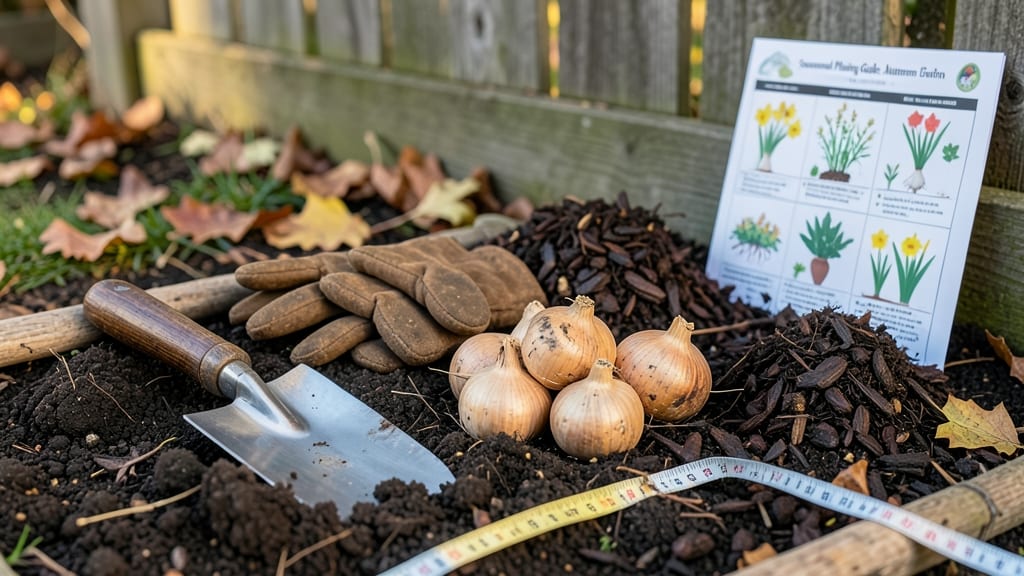
Planting daffodil bulbs at the wrong time in Wisconsin can mean the difference between a vibrant spring display of 🌼 and wasted effort. The key window—September through October—aligns with soil temperatures dropping below 60°F, signaling bulbs to root before winter’s grip tightens.
Why does timing matter so much in USDA zones 4b-5b? Cold soil triggers dormancy, but if you plant too early, bulbs rot; too late, and they won’t establish roots before frost. I’ll show you exactly how to read your soil’s cues—no guesswork, just science-backed steps for zero-frost success.
From Madison’s milder microclimates to Duluth’s earlier freezes, regional adjustments can shift your planting window by weeks. You’ll learn the 5 signs your Wisconsin soil is ready, plus how to use a simple thermometer to avoid common pitfalls that delay blooms.
Once planted, a little mulch goes a long way to protect those bulbs through winter. Let’s break down the full process—so you can enjoy next spring’s cheerful 🌼 without the stress of last-minute planting.
Wisconsin daffodil planting calendar: month-by-month soil temperature guide
Wisconsin’s fall planting window for daffodils opens when soil temperatures drop below 60°F—typically mid-September—but closes when frost arrives. Miss this window, and your bulbs may rot or fail to establish roots before winter.
Here’s how to pinpoint the perfect time based on your region’s USDA Zone (4b-5b) and soil conditions.
In southern Wisconsin (Zones 5a-5b), like Madison or Milwaukee, aim for mid-September to early October. Northern areas (Zones 4a-4b), such as Green Bay or Duluth, should plant late September to mid-October.
The key is to plant 4-6 weeks before the ground freezes, giving roots time to anchor before winter dormancy.
Soil temperature is your best guide. Use a soil thermometer to confirm readings between 40–50°F. If temperatures dip below 40°F, delay planting until conditions stabilize. This prevents bulb rot in cold, wet soil—a common mistake that kills bulbs before they sprout.
Here’s your month-by-month breakdown, including frost risks and ideal planting dates:
Pro tip: Leaf drop is a natural signal. When maple or oak leaves begin falling, it’s time to plant in most of Wisconsin. This usually aligns with soil temps of 50–55°F, perfect for daffodil bulbs. Use a thermometer to double-check—especially in urban areas, where pavement can delay cooling.
If you’re in Zone 4b, like northern Wisconsin, err on the later side. Duluth’s first frost often hits by October 15, so aim for late September to early October.
For Zone 5b, such as Madison, mid-September to mid-October works best. Always plant 6 weeks before your average first frost date to ensure success.
After planting, mulch with 2–3 inches of straw to insulate bulbs and retain moisture. This is especially critical in northern Wisconsin, where winters are harsher. Mulch also suppresses weeds, giving your daffodils a head start in spring.
Remember: Daffodil bulbs need cold stratification to bloom. Planting too late (after frost) means they’ll skip flowering until next year. But if you miss the window? Don’t panic—store bulbs in a cool, dark place (like a fridge) and replant next fall.
With this calendar, you’ll time your planting perfectly, ensuring vibrant spring blooms and years of low-maintenance color. Happy digging!
5 Signs your Wisconsin soil is ready for daffodil bulbs (before you dig)
Before you dig in, check these 5 key signs to confirm your Wisconsin soil is primed for daffodil bulbs. Cold soil triggers root growth, but too-early planting risks rot—so timing matters more than you think.
I’ll show you how to test soil moisture, temperature, and even leaf drop patterns to nail the perfect window.
First, grab a soil thermometer—the magic number is 40–50°F. This range signals bulbs to root without freezing. Stick the probe 6 inches deep (daffodil bulb depth) and wait 30 seconds.
If it reads below 60°F, your soil’s ready. Pro tip: Morning readings are most accurate since afternoon sun can skew temps.
Next, squeeze a handful of soil—it should feel cool but not icy. If it crumbles easily when dry and holds light moisture, you’re golden. Avoid planting if soil feels damp or sticky; bulbs need well-draining conditions to prevent rot.
Think of it like baking: too much moisture is the enemy of successful sprouts.
Watch your maple or oak leaves—they’re nature’s calendar. When most leaves turn brown and fall, it’s your cue to plant. This usually aligns with late September to early October in Wisconsin, but northern areas (like Duluth) may need to act sooner.
Miss this window, and bulbs won’t establish roots before frost.
Test soil moisture by digging a 6-inch-deep hole and filling it with water. If it drains within 30 minutes, your soil’s ready. Slow drainage? Amend with compost or sand to improve aeration. Remember: daffodils hate soggy soil—well-draining beds are non-negotiable for zero-frost success.
Finally, avoid the 3 biggest mistakes: planting too early (before soil cools), too late (after first frost), or in soggy spots. I’ve seen gardeners rush planting in August only to watch bulbs rot by October. Patience pays off—wait for the soil temp trigger and you’ll see blooms next spring.
Once you’ve confirmed readiness, mulch with 2–3 inches of straw to insulate bulbs through winter. This simple step protects roots from temperature swings and keeps them snug until spring. Now grab those bulbs—your garden’s spring cheer is just weeks away!