
Plants
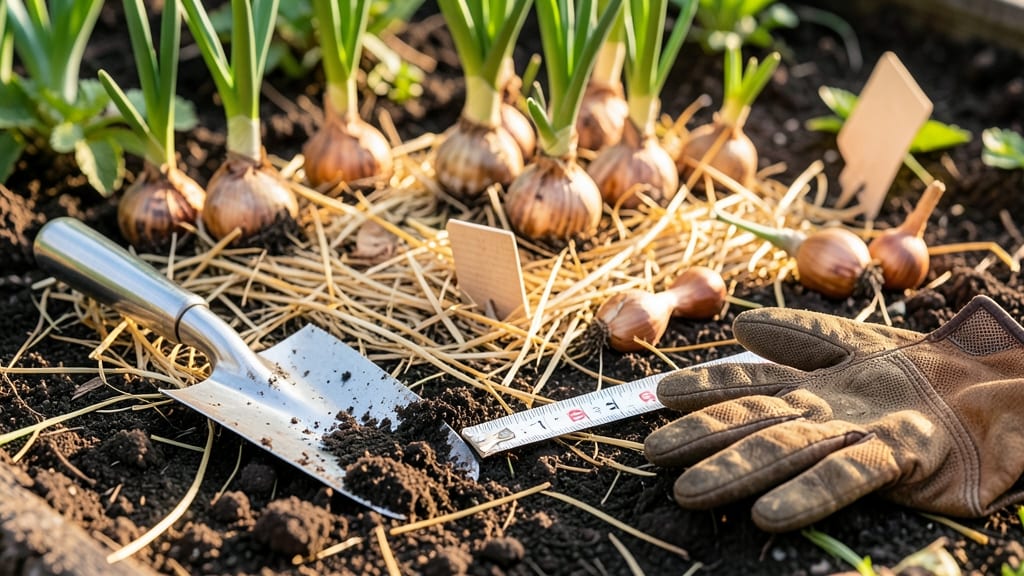
Planting daffodil bulbs at the wrong time in Northern California can mean the difference between a stunning spring display and wasted effort. The ideal window of October through December gives these hardy blooms the perfect head start before winter sets in, but timing isn't one-size-fits-all across the region's diverse microclimates.
Whether you're in coastal Zone 9b where mild winters linger or inland Zone 8a facing earlier frosts, understanding your local conditions is key. I've seen firsthand how a few weeks can make or break bulb establishment - too early and they rot, too late and they won't bloom.
Let me show you exactly when to plant for your specific area.
We'll cover how to read your soil's readiness, adjust for elevation changes, and even handle those unpredictable Northern California weather patterns. By the end, you'll know not just when to plant, but how to set your daffodils up for years of reliable spring color that starts with proper fall prep.
The secret lies in planting 6-8 weeks before your first frost - typically October-November - while giving those bulbs time to develop roots before winter dormancy. That's where the magic happens, and I'm about to share all the local tricks that make it work every time in our unique climate.
Best planting months for daffodils in Northern California by elevation Zone
Northern California’s diverse microclimates mean your daffodil planting window can vary dramatically between coastal, valley, and mountain regions. Coastal areas near San Francisco or Santa Cruz enjoy milder winters, while inland valleys like Sacramento or Fresno experience earlier frosts.
Even mountain regions like Tahoe have shorter growing seasons. Understanding these zones ensures your bulbs establish roots before winter dormancy.
For optimal bloom timing, plant daffodils when soil temperatures drop to 60°F (15°C) but before the first hard frost. In most of Northern California, this translates to October through December, but your exact window depends on elevation.
Coastal areas can plant as late as mid-December, while high-elevation zones should plant by early October to avoid frost damage. Always check your local USDA hardiness zone (typically 8a-9b in Northern California) for precision.
Here’s how to align your planting schedule with Northern California’s three key elevation zones, including soil temperature thresholds and frost risk factors:
| Elevation Zone | Optimal Planting Window | Soil Temp Threshold | First Frost Risk | Key Locations |
|---|---|---|---|---|
| Coastal (0-1,000 ft) | Late October – Mid-December | 55–60°F (13–15°C) | Low (Jan–Feb) | San Francisco, Santa Cruz, Monterey |
| Valley (1,000–3,000 ft) | Mid-October – Early November | 60–65°F (15–18°C) | Moderate (Dec) | Sacramento, Stockton, Fresno |
| Mountain (3,000+ ft) | Early September – Mid-October | 50–55°F (10–13°C) | High (Nov) | Tahoe, Truckee, Mammoth |
If you’re unsure about your local frost date, use the National Weather Service or check with your local Cooperative Extension office. For example, San Francisco’s average first frost is January 15, giving you a longer window, while Tahoe’s frost can arrive as early as November 1.
Planting too late in colder zones risks bulb rot from prolonged moisture before the ground freezes.
For coastal gardeners, extend your window by planting in containers—this lets you move pots to sheltered spots if frost threatens. Inland areas should prioritize well-draining soil to prevent waterlogged bulbs during winter rains.
Always plant bulbs 6–8 weeks before the first frost to allow root establishment before dormancy.
Pro tip: Test your soil with a moisture meter before planting. Daffodils prefer 60% moisture but will rot in soggy conditions. If your soil is too wet, amend it with compost or sand to improve drainage.
This is especially critical in valley regions like the Central Valley, where heavy clay soils can suff
Best planting months for daffodils in Northern California by elevation Zone
Northern California’s diverse climate means daffodil bulb planting timing varies dramatically by elevation. Coastal areas like San Francisco and Santa Cruz enjoy milder winters, while inland valleys (e.g., Sacramento) and mountain regions (e.g., Tahoe) face earlier frosts.
To maximize blooms, align your planting with your USDA Zone (8a-9b) and local frost dates.
For coastal zones (Zone 9b), aim to plant daffodil bulbs between October 15 and November 15. The soil stays warm longer, giving roots time to establish before the rare light frost.
Inland valleys (Zone 8a-8b) should plant October 1 to November 15, while mountain areas (Zone 7b) need to plant September 15 to October 15 to avoid early winter dormancy.
Soil temperature is your best guide: plant when soil reaches 50-60°F—ideal for root growth without encouraging rot. Use a soil thermometer to check, especially in cooler microclimates like Napa Valley or Redwood Curtain.
| Elevation Zone | Best Planting Window | Soil Temp Threshold | Frost Risk |
|---|---|---|---|
| Coastal (Zone 9b) | Oct 15–Nov 15 | 55–60°F | Low (Dec 20+) |
| Valley (Zone 8a-8b) | Oct 1–Nov 15 | 50–55°F | Moderate (Nov 15–Dec 15) |
| Mountain (Zone 7b) | Sep 15–Oct 15 | 45–50°F | High (Oct 15–Nov 1) |
🌡️ Pro Tip: Coastal areas can plant 2-3 weeks later than inland zones.
If you miss the ideal window, don’t panic—daffodils tolerate early planting better than late. Bulbs can handle cool soil but rot if planted in warm, wet conditions. For example, in Sonoma County, late November plantings may still succeed if the soil drains well.
Use local frost date data from the National Weather Service to refine your schedule. For instance, Sacramento averages its first frost on January 15, while Eureka rarely sees frost. Plant 6-8 weeks before your area’s first frost date to ensure roots establish before dormancy.
For container gardening, adjust timing slightly earlier—potted bulbs cool faster. Plant coastal containers by October 1 and inland containers by September 20 to compensate for temperature fluctuations. Always use well-draining pots to prevent bulb rot.