
Plants
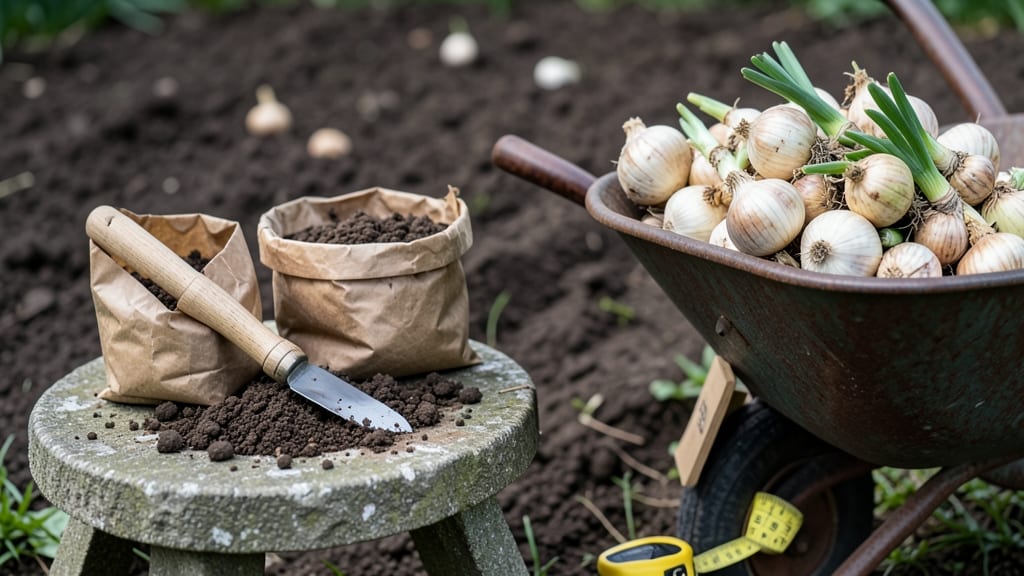
Planting daffodils in Oklahoma isn’t just about dropping bulbs in the ground—it’s about timing them perfectly to survive the state’s sharp frost and deliver those cheerful 🌼 blooms next spring.
If you’ve ever wondered why some gardeners get vibrant daffodils while others end up with frost-damaged bulbs, the answer lies in a 6-week window between late September and mid-November. This is when Oklahoma’s soil stays warm enough for roots to establish before winter sets in.
But here’s the catch: planting too early means bulbs might rot, while waiting too long risks them freezing before they take root. I’ll break down the exact cues—like soil temperature and day length—to help you nail the timing every time.
Whether you’re in zone 6b or 7a, these secrets will ensure your daffodils not only survive Oklahoma’s winters but thrive for years to come. Let’s get started.
Oklahoma’s ideal daffodil planting window: month-by-month fall timeline
Planting daffodils in Oklahoma requires precision—your bulbs need 6 weeks to establish roots before winter sets in. The perfect window spans from late September to mid-November, aligning with USDA zones 6b-8a and Oklahoma’s average first frost dates.
This timeline ensures your bulbs survive -20°F freezes while setting roots deep enough for spring blooms.
In northern Oklahoma (zones 6b-7a), aim for mid-September to early November—earlier than southern regions. The key is planting 4-6 weeks before the ground freezes solid. Use your local Almanac frost dates as a guide, but always adjust for unpredictable Oklahoma weather.
For example, if your area typically freezes by November 15, plant by October 15.
| Month | Ideal Planting Time | Soil Temp (°F) | Key Cues |
|---|---|---|---|
| Late September | Early zone 8a / Late zone 6b | 60-65°F | Daylight shortens; soil still warm |
| October | Best for all zones | 50-60°F | Goldenrod blooms; soil cools |
| Early November | Zone 8a only; last chance | 45-50°F | Frost possible; hurry! |
🌼 Pro Tip: Use a soil thermometer to confirm temps—bulbs rot below 40°F.
If you miss the fall window, December planting is risky but possible in zone 8a (southern Oklahoma). Plant bulbs 2 inches deeper than usual and cover with 4+ inches of mulch to insulate them. However, expect smaller blooms the first year, as roots won’t establish fully before winter.
For northern Oklahoma gardeners (zones 6b-7a), late September is your last safe window. Wait until after the first frost, and your bulbs may not survive. Instead, focus on October planting when soil temps hover around 55-60°F. This gives roots 6-8 weeks to anchor before winter dormancy.
Adjust your timeline based on microclimates—low-lying areas freeze earlier than hillsides. If your yard is shady or prone to cold air pooling, plant 2 weeks earlier than the general guideline. Conversely, south-facing slopes stay warmer, so you can plant 1-2 weeks later without risk.
Use local weather patterns as your final gauge. If your area had an early freeze in 2023, shift your planting 2 weeks earlier in 2024. Oklahoma’s La Niña years (like 2022) bring colder winters, so plan accordingly. Check the NOAA climate maps for your county to refine your schedule.
Once you’ve nailed the planting window, focus on planting depth—daffodils need 6 inches of soil cover in northern Oklahoma and 4-5 inches in southern zones. This depth protects bulbs from freeze-thaw cycles and rodent damage.
Use a trowel or bulb planter to create holes, then add a handful of sand or grit to improve drainage.
After planting, water deeply to settle the soil and eliminate air pockets around the bulbs. This step is critical in Oklahoma’s clay-heavy soils, which can suffocate roots if too compacted.
Mulch with 2-3 inches of straw or shredded leaves to retain moisture and insulate bulbs through winter. Remove mulch in early spring to prevent rot from excess moisture.
Timing your daffodil planting correctly in Oklahoma isn’t just about avoiding frost—it’s about giving your bulbs the perfect 6-week head start to thrive. By following this month-by-month guide and adjusting for your specific microclimate, you’ll ensure vibrant spring blooms year after year. 🌼
5 Critical signs your Oklahoma fall is ready for daffodil bulbs
Timing your daffodil planting in Oklahoma isn’t just about checking a calendar—it’s about reading your local microclimate. The first frost can arrive as early as mid-October in northern zones like Oklahoma City, while southern areas like Tulsa might stretch planting until late November.
Instead of guessing, watch for these 5 foolproof signs that your soil and weather are ready.
First, your soil temperature must drop below 60°F (15°C) but stay above 40°F (4°C) for at least 4-6 weeks. This sweet spot signals roots will establish before winter dormancy.
Use a soil thermometer or the back-of-the-hand test: press your hand into the soil—if it feels cool but not freezing, it’s prime time.
Next, observe your neighborhood plants. When chrysanthemums and asters start blooming in earnest, it’s your cue to dig in. These perennials thrive in the same cool-season conditions that daffodils crave.
Pro tip: Check your local Extension Office for frost date averages—Oklahoma State University’s maps are a game-changer for zone-specific planning.
Don’t ignore moisture levels either. Planting after a 2-week dry spell reduces the risk of bulb rot from soggy soil. If your lawn feels crispy underfoot, your daffodils are ready. Water deeply the day before planting to settle the soil, but avoid waterlogged conditions—daffodils hate wet feet.
Finally, trust your weather app. Set alerts for hard freezes (<32°F) and aim to plant 4-6 weeks before the first predicted freeze. In USDA Zone 7a (southern OK), this might mean early November; in Zone 6b (northern OK), mid-October is safer.
When all five signs align, your daffodils will thrive through Oklahoma’s wild winter swings.
Miss these cues, and you might end up with frost-bitten bulbs or moldy soil. But nail them, and you’ll reward yourself with bold spring blooms that outshine even Oklahoma’s golden prairie sunsets. 🌼