
Trees
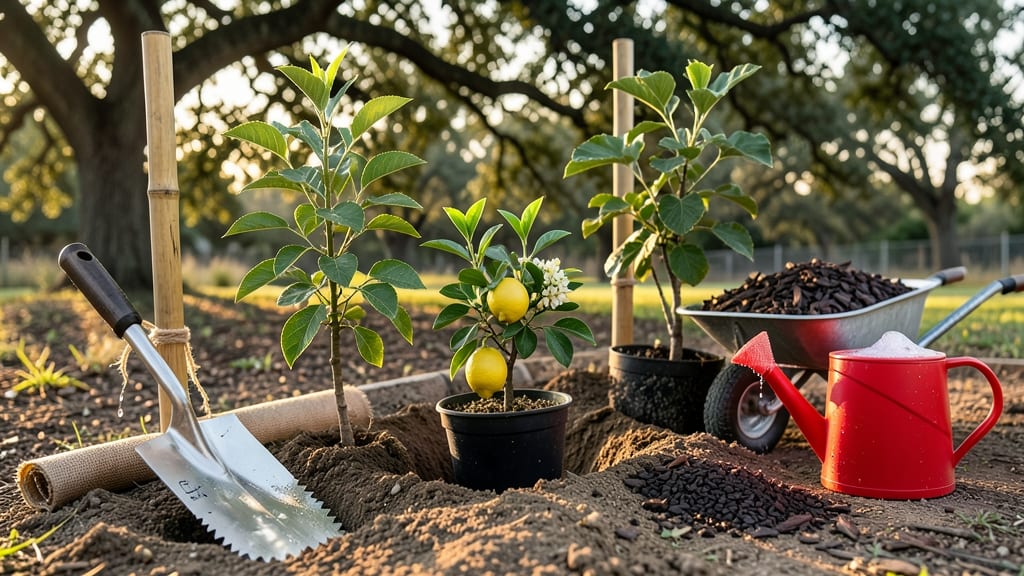
Planting a fruit tree 🍎 in Texas at the wrong time can turn your dream orchard into a sad investment—especially when scorching summers and unpredictable frosts are lurking around every corner.
The best time to plant isn’t just about the calendar; it’s about aligning with your USDA zone, soil conditions, and the tree’s natural growth cycle.
Most Texas gardeners swear by late winter to early spring (February–March) or fall (October–November), but here’s the catch: your exact timing depends on whether you’re in North Texas’s 8a zone or South Texas’s balmy 10b.
Citrus thrives in the heat, while peaches need cooler roots to establish—so getting this right is the difference between a 20-foot shade tree and a struggling sapling.
I’ve planted fruit trees across Texas’s diverse zones, and I’ll show you how to pick the perfect window for your location—plus how to prep your soil, avoid transplant shock, and give your tree the fighting chance it needs to beat the Texas heat. Let’s get those roots growing strong.
Whether you’re dreaming of juicy peaches or sweet citrus, the key is knowing when to dig. By the end of this guide, you’ll have a zone-specific planting schedule tailored to your backyard—and no more guessing games about whether your 🍎 will survive the season.
Texas USDA zones & optimal planting months for fruit trees
Texas spans USDA zones 6a to 10b, meaning frost dates and heat intensity vary dramatically from the Panhandle to South Texas. For peaches, plums, and apples, aim to plant in late winter or early spring—right after the last frost but before 90°F+ temperatures stress young roots.
In zones 9b-10b (South Texas), citrus and figs thrive when planted in fall or early winter to avoid summer heat shock.
In North Texas (zones 7a-8a), the safest window is February to early March, while Central Texas (zones 8a-8b) gardeners should plant by mid-March. South Texas (zones 9a-10b) offers a longer window—October through December—but avoid planting during summer monsoons (June-August), when soil stays soggy and roots suffocate.
Soil temperature is critical: roots need 60-70°F soil to establish. Use a soil thermometer to confirm—cold soil in spring or fall can stunt growth. Pecan trees are an exception; they tolerate warmer soil and can be planted as late as April in North Texas or May in Central Texas.
| USDA Zone | Best Planting Months | Ideal Fruit Varieties | Key Considerations |
|---|---|---|---|
| 6a-7a (Panhandle) | February-March | Peaches, Apples, Pears | Late frost risk; mulch heavily |
| 7b-8a (North Texas) | February-April | Plums, Cherries, Figs | Avoid summer planting; heat stress |
| 8b-9a (Central Texas) | March-May | Citrus (grafted), Pecans, Persimmons | Drought-tolerant varieties preferred |
| 9b-10b (South Texas) | October-December | Oranges, Grapefruit, Mangoes | No winter dormancy; year-round growth |
Citrus trees in South Texas (zones 9b-10b) are unique—they never enter dormancy and grow year-round. Plant them in fall (October-November) to give roots time to establish before summer heat. Grafted citrus (like Meyer lemons) adapt better than seed-grown trees, which struggle with Texas’s calcareous soil.
For stone fruits (peaches, plums), timing aligns with dormancy cycles. In North Texas (zones 7a-8a), plant in February to avoid April frost damage. In Central Texas (zones 8b-9a), extend planting to April, but water deeply to combat spring drought.
Always choose dwarf or semi-dwarf varieties for easier harvests and smaller root zones.
Pecan trees are the hardiest Texas fruit tree and tolerate hot, dry conditions once established. Plant bare-root pecans in late winter (February) or container-grown trees in spring (March-April). Their deep roots seek moisture, so avoid compacted clay soils—amend with compost and sand for better drainage.
If you’re in East Texas (zones 7b-8a), consider figs and persimmons, which thrive in humid climates and can be planted March-April. These trees handle partial shade better than peaches, making them ideal for woodland edges or urban yards with large shade trees.
Pro tip: Check your local AgriLife Extension office for microclimate data—some areas (like Hill Country) have 10°F+ temperature swings in a single week. Planting too early in these zones risks frost damage to tender new growth.
Finally, container-grown trees offer flexibility—plant them year-round in mild zones (9a-10b), but avoid summer heatwaves (June-August) when roots can’t cool properly. Always water deeply before planting to reduce transplant shock in Texas’s alkaline soils.
Critical factors that determine planting success in Texas heat
Texas’s intense heat and variable rainfall demand extra care when planting fruit trees. The right soil moisture and mulching strategy can mean the difference between a thriving tree and one struggling to establish roots.
I’ve learned that bare-root trees planted in fall benefit from cooler temps, while container-grown trees offer flexibility for year-round planting in mild zones like South Texas.
One of the biggest mistakes I see is overwatering during the first few weeks. While fruit trees need deep, infrequent watering, too much water can suffocate roots in our heavy clay soils.
Instead, aim for 1-2 inches of water per week, delivered in the early morning to reduce evaporation. A drip irrigation system is my go-to for consistent moisture without wasting water.
🌱
Bare-Root vs. Container-Grown Fruit Trees in Texas
Bare-Root Trees
- ✅ Best for: Fall planting (Oct-Nov)
- ✅ Pros: Cheaper, easier to transport
- ❌ Cons: Limited root system; needs immediate watering
- 🌡️ Soil temp: 50-70°F for root growth
Container-Grown Trees
- ✅ Best for: Year-round planting (mild zones)
- ✅ Pros: Established roots; better for heat zones
- ❌ Cons: More expensive; root-bound risk
- 💧 Watering: Needs 2-3x more water post-planting
Mulching is another game-changer in Texas heat. A 3-inch layer of organic mulch (like pine straw or wood chips) helps retain moisture, regulates soil temperature, and suppresses weeds. I always keep mulch 6 inches away from the trunk to prevent rot.
For citrus trees in South Texas, a gravel mulch works better to prevent fungal diseases in our humid summers.
Transplant shock is real, especially in 100°F+ temps. To minimize stress, I prune damaged roots before planting, amend the soil with compost, and water deeply immediately after. For peach and plum trees, I also apply a root stimulator to encourage faster root growth in our alkaline soils.
Patience is key—newly planted trees may take 6-12 months to fully establish.
Finally, don’t underestimate the power of shade cloth during the first summer. I’ve seen young fruit trees wilt dramatically under full Texas sun. A 30-50% shade cloth for the first few months can protect delicate leaves while still allowing light for photosynthesis.
Once roots are established, the tree will handle full sun like a pro.
☀️