
Trees
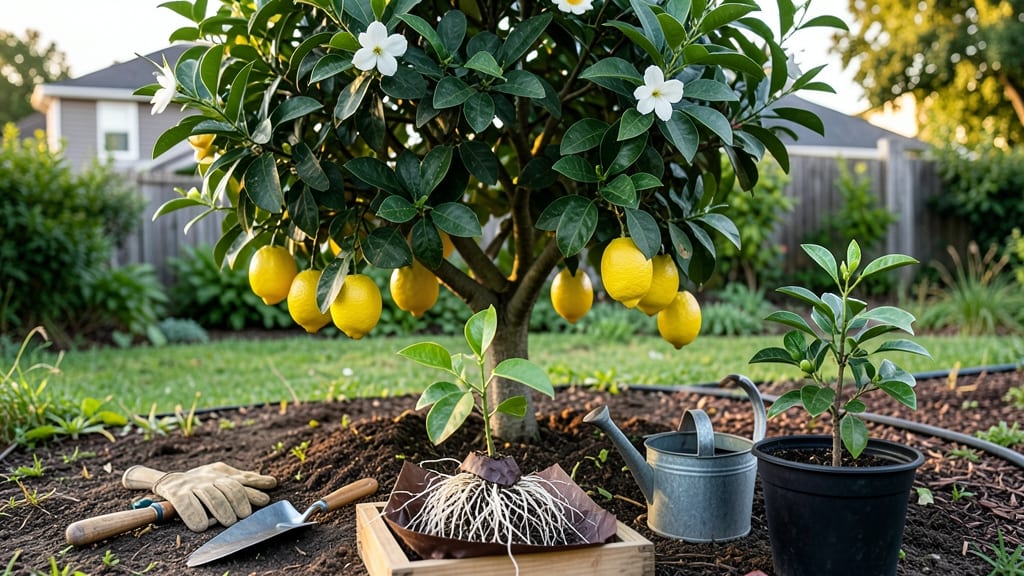
Planting a 🍊 Citrus Tree in Phoenix can be a game-changer for your garden, but timing it right is the key to avoiding transplant shock in extreme heat. The best window to plant is during the cooler months, when temperatures are mild enough to help young roots establish without stress.
Phoenix’s USDA Zone 9b climate means you can plant year-round, but late fall through early spring—November to February—gives your citrus tree the best chance to thrive. This period avoids the brutal summer heat, which can scorch tender new growth and slow down root development.
Why does timing matter so much? Because citrus trees need time to adjust to their new environment, and planting during cooler months reduces stress. Plus, Phoenix’s arid conditions mean proper soil prep is just as critical as the planting date itself.
In this guide, I’ll walk you through the ideal months, soil prep tips, and post-planting care to ensure your citrus tree grows strong and healthy. Let’s get started!
Best planting months for citrus trees in Phoenix heat zones
Phoenix’s USDA 10b-11a heat zones make it ideal for citrus trees, but timing your planting is critical. The perfect window spans from late September through February, with November and December being the absolute best months.
This timing avoids the extreme summer heat that can stress young roots and the occasional winter chill that might damage tender new growth.
Citrus trees thrive in Phoenix’s frost-free climate, but even mild temperature drops below 30°F (-1°C) can harm young trees. Planting in cooler months gives roots time to establish before summer’s 110°F+ (43°C+) temperatures arrive. The soil temperature should ideally stay above 60°F (15°C) for optimal root growth.
Here’s why November through February is the golden period: the daytime highs average between 70-80°F (21-27°C), nighttime lows stay above 40°F (4°C), and rainfall increases slightly—all factors that reduce transplant shock. This is when I’ve seen my lemon and lime trees take off in Phoenix yards.
| Month | Average Temp (°F) | Soil Temp (°F) | Planting Suitability | Key Considerations |
|---|---|---|---|---|
| September | 90-100°F | 85-95°F | Good (Early) | Avoid late Sept heatwaves; water deeply |
| October | 80-90°F | 75-85°F | Excellent | Ideal balance of warmth and cooling trends |
| November | 70-80°F | 65-75°F | Best | Cooler nights reduce stress; minimal rainfall |
| December | 60-70°F | 55-65°F | Best | Lowest heat risk; watch for rare cold snaps |
| January | 60-70°F | 55-65°F | Best | Similar to Dec; ideal for container plantings |
| February | 65-75°F | 6
Critical factors that determine Phoenix citrus planting successPhoenix’s USDA 10b-11a climate makes citrus trees thrive—but success hinges on more than just timing. The soil temperature must stay above 60°F (15°C) for roots to establish. If planted too early (before October), young trees risk heat stress from Phoenix’s summer extremes. Even though Phoenix rarely sees frost, microclimates matter. Urban areas like Downtown Phoenix stay slightly cooler than Scottsdale’s desert outskirts. If you’re in a cooler pocket, wait until mid-November to avoid unexpected chilly nights. Another critical factor is soil drainage. Phoenix’s clay-heavy soils can suffocate roots if water pools. Test your soil’s percolation rate—ideal drainage means water drains within 2-4 hours. Amend with sand or perlite if needed to prevent root rot. 🌱
⚠️
Warning: Avoid Planting in Summer!
Phoenix’s 110°F+ summers cause transplant shock. Young citrus trees struggle to establish roots in extreme heat, leading to wilting or death within weeks. Even in winter, wind exposure can dry out young trees. If your yard is windy (e.g., near open fields), plant near a windbreak (fence, wall, or shrubs) to protect delicate foliage. Phoenix’s Santa Ana winds can desiccate leaves, slowing growth. Finally, container planting offers flexibility but requires extra care. Pots dry out faster in Phoenix’s heat, so use self-watering containers or bury them partially in the ground to stabilize soil temps. Choose fabric pots to prevent root circling. By accounting for these factors—soil temp, drainage, microclimates, wind, and containers—you’ll give your citrus tree the best shot at thriving in Phoenix’s arid, sunny climate. |