
Trees
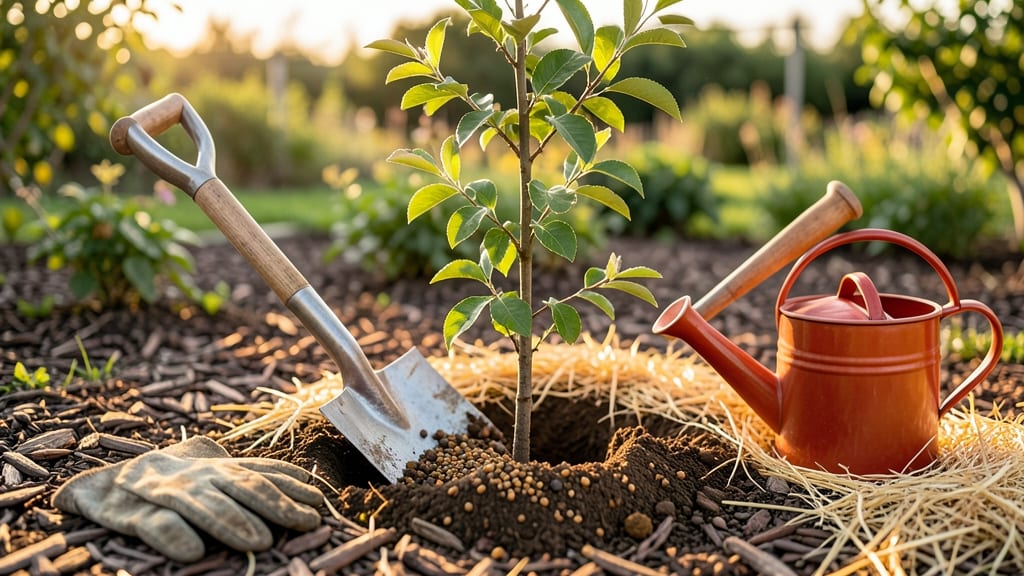
Planting fruit trees in California at the wrong time can mean the difference between a thriving orchard and years of disappointment. With coastal fog, Central Valley heat, and desert climates all playing by their own rules, timing is everything.
Whether you're growing citrus in San Diego or stone fruits in Sacramento, knowing the perfect window for your microclimate ensures strong root growth and bountiful harvests.
Most gardeners assume spring is the only option, but California's diverse regions actually offer two ideal planting seasons. Coastal areas benefit from late winter planting when soils warm up, while inland zones often prefer early fall to avoid summer drought stress.
I'll break down exactly when to plant based on your specific zone—no more guessing games.
What happens when you plant too early? Young trees can get scorched by unexpected heat waves or smothered by winter rains. But with the right preparation—like testing soil temperature and choosing varieties suited to your climate—you can skip these common pitfalls entirely.
Let me show you how to time it just right for maximum success.
Ready to transform your backyard into a productive orchard? We'll cover everything from soil prep to variety selection, so you can confidently dig in at the best possible moment for your fruit trees. Your future harvest starts with the right timing.
California microclimate planting zones: best months by region
California’s diverse climate means your fruit tree planting window depends entirely on where you live. Coastal areas like San Francisco have mild winters, while inland Central Valley zones can see 30°F frost, and desert regions like Palm Springs stay warm year-round.
Each zone demands a tailored approach to avoid root shock or heat stress.
For Northern California, including San Francisco Bay Area and Sacramento Valley, aim for late winter to early spring (February–March). This timing lets trees establish roots before summer heat arrives. In Southern California, where winters are mild, fall planting (October–November) is ideal to avoid summer drought stress.
Central Valley growers should plant stone fruits (peaches, plums) in late winter (February–March) to beat frost, while citrus trees thrive when planted in early spring (March–April) or fall (October–November). Desert regions like Coachella Valley can plant year-round, but spring (March–April) minimizes water stress.
Here’s how to align your planting with California’s microclimates for maximum success:
If you’re in a transition zone (e.g., Santa Barbara or Santa Cruz Mountains), monitor soil temperature—plant when it hits 60°F+ for 3+ days. Use a soil thermometer to confirm. For bare-root trees, plant as soon as they arrive (they’re dormant but eager to root!).
Citrus trees, like lemon or orange, need well-draining soil and hate soggy roots. In Southern California, plant them in fall (October–November) to let roots establish before summer’s 100°F+ heat.
Stone fruits (peaches, plums) thrive when planted in late winter to avoid late frost damage in the Central Valley.
Pro tip: Container-grown trees can be planted year-round in mild climates, but bare-root trees must go in during their dormant season (winter for most varieties). Always check the USDA Hardiness Zone for your specific area—California spans Zones 7–11!
For dwarf varieties, timing is less critical, but still aim for cooler months to reduce transplant shock. If you miss the ideal window, fall planting (September–October) is the next best option in most regions, giving roots time to settle before winter.
🌱
Signs your microclimate is ready: soil, weather, and tree variety checklist
California’s diverse climates demand more than just a calendar date—your fruit tree’s success hinges on soil temperature, rainfall patterns, and tree-specific needs. For example, citrus trees thrive in warm, frost-free zones, while stone fruits like peaches need cooler winters.
Even within a region, a 5-mile elevation change can shift your planting window by weeks.
Start by testing your soil temperature with a simple thermometer—ideal planting occurs when it reaches 60°F (15°C) at 6 inches deep.
In coastal areas, this might be as early as February, but in the Central Valley, wait until March or April to avoid late frost damage. Desert climates like Palm Springs can plant even earlier, thanks to their warm winters.
Rainfall timing is another critical clue. In drier regions, planting during the wetter winter months (November–March) ensures your tree gets a head start on root growth. Conversely, coastal fog belts may require fall planting to avoid summer drought stress. Always check your local USDA hardiness zone—California spans zones 7b to 11, each with unique frost risks.
🌱
Key Takeaways for Planting Ready Microclimates
Don’t overlook tree variety hardiness. A lemon tree planted in zone 7b (like Sacramento) will struggle without winter protection, while an apple tree in zone 10 (like San Diego) may suffer from heat stress.
Cross-reference your tree’s chill hour requirements—most stone fruits need 300–800 hours below 45°F—with your local climate data.
For early-season adjustments, monitor your area’s historical frost dates via the California Climate Tracker. If your region typically sees a late frost in March, delay planting peach or cherry trees until after April 15.
Conversely, in Southern California’s desert zones, where frost is rare, you can plant citrus or fig trees as early as October for optimal root growth before summer heat.
Pro tip: Use a moisture meter to confirm soil readiness. If the top 6 inches are dry and crumbly, hold off until after the next rainfall. Pair this with a weekly weather check—consistent 50°F+ (10°C+) nighttime temps signal it’s time to dig in.
Your tree’s long-term health starts with this single, well-timed decision.
☀️