
Plants
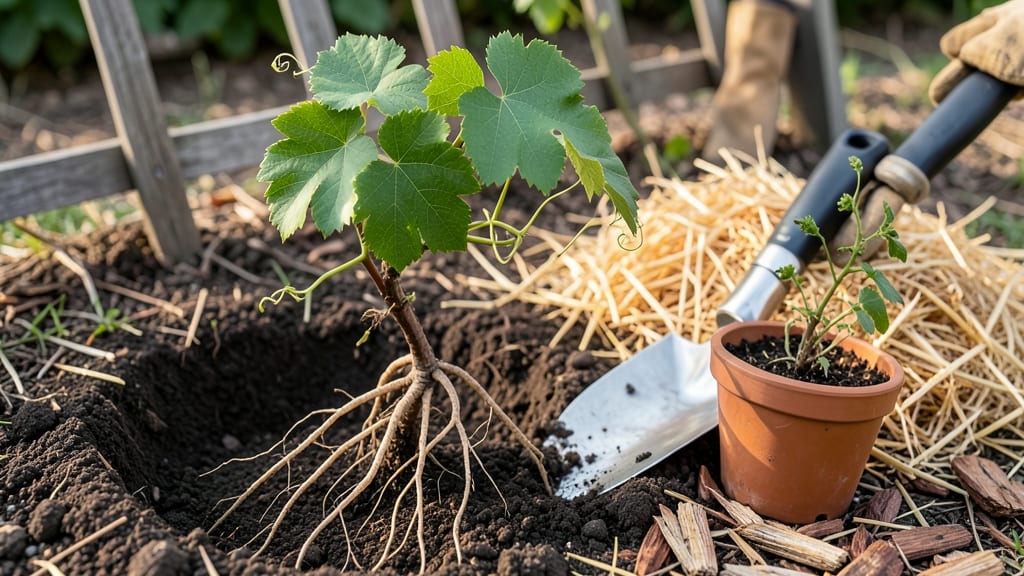
Planting grape vines in Georgia isn't just about timing—it's about matching the right variety to your chill-hour zone to avoid winter stress or summer heat struggles.
Whether you're dreaming of juicy Muscadines or bold wine grapes, getting the planting window wrong can mean the difference between a thriving 🍇 vineyard and a failed harvest.
Georgia's warm climate (USDA zones 7b-8a) gives you two prime chances to plant: late winter to early spring or fall. But here's the catch—wine grapes need 300+ chill hours to break dormancy, while Muscadines thrive with fewer.
Planting too early risks frost damage, while waiting too long can stunt root growth before winter sets in.
I've helped Georgia gardeners navigate these challenges for years, and the key is understanding your specific microclimate. Coastal areas stay milder, while Piedmont regions can drop faster.
We'll break down exactly when to plant each variety, how to prep your soil, and why trellises make all the difference in our humid summers.
Ready to grow grapes that actually produce? Let's dive into the perfect planting schedule for your Georgia garden—no more guesswork, just reliable results.
Georgia’s ideal planting windows for grape vines by variety type
Georgia’s climate offers two prime windows for planting grape vines: late winter/early spring and fall. The best choice depends on your grape variety—Muscadines thrive in heat, while wine grapes need chill hours for dormancy. For most of Georgia (USDA zones 7b-8a), aim for February–March or September–October.
Spring planting (February–March) gives vines 6–8 weeks to establish roots before summer heat arrives. Fall planting (September–October) allows roots to grow before winter dormancy, reducing transplant shock. Avoid planting in summer—heat stress and poor root establishment will stunt growth.
Your location in Georgia matters! Coastal Plain regions (warmer) can plant 1–2 weeks later than Piedmont areas (cooler). Check your last frost date—plant 3–4 weeks before to avoid frost damage to tender new shoots.
Soil temperature is critical. Ideal planting soil temps are 50–60°F (10–15°C). Use a soil thermometer to confirm—cold soil delays root growth, while warm soil encourages rapid (but weak) root development. In Georgia, this typically aligns with late February–early March or mid-September.
Muscadine grapes (heat-loving) can handle fall planting up to November, but wine grapes like Norton or Cabernet Franc must be in the ground before October to establish roots before winter. Ever-bearing varieties (like some Muscadines) can even produce fruit in their first year if planted early enough!
🍇 Georgia Grape Variety Planting Guide
| Variety Type | Best Planting Window | Soil Temp Requirement | Chill Hours Needed | Georgia Regions |
|---|---|---|---|---|
| Muscadine Grapes | Feb–March or Sept–Nov | 50–60°F (10–15°C) | <300 hours | All regions (heat-tolerant) |
| Wine Grapes (Norton, Cabernet) | Feb–March (critical!) | 50–60°F (10–15°C) | 300–600 hours | Piedmont (cooler zones) |
| Hybrid Grapes (e.g., Cynthiana) | Feb–March or Sept–Oct | 50–60°F (10–15°C) | 400–500 hours | Coastal Plain to Piedmont |
💡 Pro Tip: For wine grapes, spring planting is non-negotiable—fall planting risks winter kill in cooler Piedmont areas.
Container planting extends your options! Potted grape vines can be moved indoors during frost or extreme heat. Use 5-gallon containers minimum and plant in spring (March–April) when soil warms. Muscadines adapt well to containers, while wine grapes need larger pots (15+ gallons) for root growth.
Trellis setup is non-negotiable for Georgia’s humidity. Install a strong trellis or arbor before planting—vines need 6–8 feet of vertical space to thrive. Train vines upward immediately after planting to encourage strong, disease-resistant growth and better air circulation (critical for fungal prevention).
Avoid these mistakes: Planting bare-root vines in summer heat, skipping soil amendments (compost + sulfur for pH), or ignoring drainage tests. Georgia’s clay-heavy soils often need sand or organic matter to prevent root rot. Always plant on a slight mound for drainage.
Final timing tip: If you miss the ideal windows, wait until next season—grape vines hate transplant shock. Mark your calendar for February 15–March 15 (spring) or September 15–October 15 (fall) to align with Georgia’s climate. With the right timing, your vines will reward you with bountiful harvests in 2–3 years!
How to match grape varieties to Georgia’s chill-hour zones
Georgia’s climate offers a unique advantage for grape growers, but selecting the right grape variety based on chill-hour requirements is critical. Unlike northern states, Georgia’s USDA Zones 7b-8a mean many traditional wine grapes struggle without proper chill-hour matching.
Muscadines thrive with fewer chill hours, while Norton or Cabernet Sauvignon need 300+ hours to break dormancy properly. Misalignment leads to poor bud break, reduced yields, or even vine death.
Start by checking your local chill-hour zone using the USDA’s interactive map. Northern Georgia (e.g., Dahlonega) typically sees 400-600 chill hours, while southern regions (e.g., Savannah) may only hit 200-300 hours.
For example, if you’re in Zone 8a, Norton (300+ hours) will flourish, but Pinot Noir (600+ hours) may fail to fully dormant. Always cross-reference with your last frost date—planting too early risks frost damage to emerging buds.
🌱 Grape Variety Chill-Hour Guide for Georgia
| Variety | Chill Hours Needed | Best Georgia Regions | Planting Window |
|---|---|---|---|
| Muscadine (e.g., Carlos, Scuppernong) | 0-200 hours | Coastal Plain, South GA | Feb–Mar or Sep–Oct |
| Norton (Cynthiana) | 300-400 hours | Piedmont, North GA | Feb–Mar only |
| Cabernet Sauvignon | 600+ hours | High-elevation Piedmont | Feb–Mar (risky in low zones) |
| Scuppernong | 100-200 hours | Coastal GA, Lowland | Sep–Oct preferred |
For wine grapes, prioritize varieties bred for southern climates. Norton is Georgia’s gold standard, requiring 300-400 chill hours—ideal for the Piedmont region. If you’re in Zone 8a or warmer, consider Tempranillo or Syrah, which tolerate 400-500 hours.
Always verify with your local extension office—they can provide microclimate data for your exact location, accounting for elevation or urban heat islands.
Fall planting (September–October) is ideal for Muscadines and heat-tolerant varieties because it allows roots to establish before summer heat. However, avoid planting wine grapes in fall—they need dormancy periods to harden off.
Instead, opt for bare-root vines in late winter (February–March), when soil temps are 40–50°F. This timing ensures buds remain dormant until chill hours are satisfied, preventing premature sprouting.
Pro tip: Use mulch heavily (4–6 inches of wood chips) to regulate soil temperature. In low-chill zones, add black plastic mulch in winter to simulate extra chill hours.
Monitor vine health closely—poor bud break or leaf curl often signals chill-hour mismatch. Adjust future plantings based on these cues to refine your grape variety selection over time.
Remember, Georgia’s diverse microclimates mean what works in Athens may fail in Savannah. Start small, test varieties, and document your results. With the right chill-hour match, your grape vines will thrive year after year—producing juicy Muscadines or bold wine grapes tailored to Georgia’s unique growing conditions. 🍇