
Plants
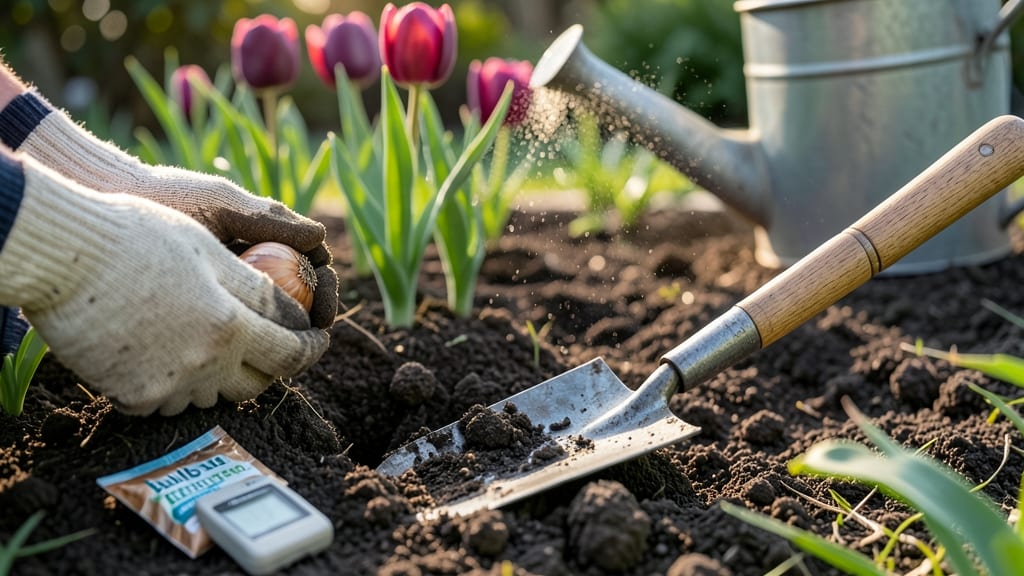
Planting bulbs in the South isn't as simple as digging a hole in fall and hoping for the best—your success depends on matching the right bulbs to your local chill hours. Without that perfect timing, you might end up with years of waiting for blooms or no flowers at all.
The key lies in understanding how Southern climates differ from the rest of the country, where traditional planting advice often falls short.
In warmer zones like 7–11, many classic bulbs struggle because they need cold periods to trigger blooming. But with the right strategies—like choosing heat-tolerant varieties or pre-chilling bulbs—you can still enjoy vibrant spring displays.
I’ll show you exactly when to plant in your specific region, whether that’s fall for cold-hardy types or winter for heat-loving species.
Let’s break down the best times to plant bulbs in the South, including regional tweaks for states like Texas, Florida, and Georgia. You’ll learn which bulbs thrive in your microclimate and how to adjust for coastal humidity or inland heat.
By the end, you’ll have a foolproof plan for reliable blooms every season.
Ready to transform your garden? The secret isn’t just about when you plant—it’s about planting the right bulbs at the right time for your unique Southern climate. Let’s get started!
Chill-hour requirements for Southern bulbs: matching species to your climate zone
Planting bulbs in the South isn’t as simple as digging a hole in fall. Traditional chill-hour requirements—like those for tulips or daffodils—often fail because Southern winters rarely drop below 40°F for long.
Without enough cold exposure, bulbs stay dormant, and you’re left with no blooms despite proper planting.
Most Northern-grown bulbs need 300–1,000 chill hours (temperatures between 32–45°F), but Southern zones 7a–10b often see fewer than 200 chill hours. That’s why pre-chilled bulbs or low-chill varieties become your best bet for reliable spring color.
Here’s how to match bulbs to your zone—and still get those showstopping blooms:
| Bulb Type | Chill-Hour Needs | Southern Workaround | Best Zones |
|---|---|---|---|
| Tulips (Classic) | 800–1,200 hours | Pre-chill bulbs or plant in winter with frost cloth | 7a–8b (cooler microclimates) |
| Daffodils (Paperwhites) | 200–400 hours | Plant in late fall or early winter for natural chill | 7a–9a |
| Daylilies (Hemerocallis) | 0–200 hours | Plant in spring—no chill needed! | 7b–11 |
| Rain Lilies (Zephyranthes) | 0 hours | Plant in spring or summer after last frost | 8a–11 |
| Crocuses (Early Spring) | 400–600 hours | Pre-chill or plant in winter with mulch | 7a–8a |
For zones 9b–11, where winters are barely chilly, skip traditional bulbs entirely. Instead, focus on heat-tolerant species like spider lilies (Hymenocallis) or crinum lilies, which thrive with zero chill hours and bloom in summer or fall.
If you’re in zone 7a–8b, your best bets are daffodils and daylilies. Plant daffodils in November–December to catch natural winter chill, while daylilies can wait until spring. For tulips, buy pre-chilled bulbs from specialty nurseries or plant them in winter and protect with frost blankets.
Pro tip: Use a soil thermometer to monitor temps. Bulbs need 60°F soil to root but 40–50°F air temps for dormancy. In zone 10+, this rarely happens naturally—so get creative with container growing or shade cloth to mimic conditions.
Remember, microclimates matter. A coastal Florida garden may never get cold enough for tulips, while a North Carolina mountain slope in zone 7a could work. Observe your local patterns and adjust accordingly.
With the right bulb-to-zone match, you’ll
Best planting times by Southern state: a month-by-month schedule for reliable blooms
Planting bulbs in the South isn’t as simple as digging in the fall like in cooler climates. Your state’s microclimate—whether you’re in humid Florida, dry Texas, or the Appalachian foothills—dictates the perfect window.
Most Southern gardeners plant bulbs in late fall to early spring, but timing shifts depending on whether you’re growing chill-loving daffodils or heat-tolerant rain lilies.
For Zone 7–8 (e.g., North Carolina, Tennessee, Georgia), aim for October–November planting. This mimics the 600–900 chill hours needed by tulips and hyacinths.
In Zone 9–10 (e.g., Florida, Louisiana, coastal Texas), wait until December–February to avoid summer heat stress. High-altitude areas (like Asheville, NC) can plant as early as September.
🌱 Pro Tip: Use a planting calendar tailored to your state—Florida’s warm winters mean bulbs like daylilies thrive planted in early spring, while Texas gardeners often plant in winter to avoid summer drought.
When: October–November
Best for: Tulips, daffodils, crocuses
Soil temp: 60–70°F
When: December–February
Best for: Rain lilies, spider lilies
Soil temp: 55–65°F
When: September–October
Best for: Cold-hardy varieties
Soil temp: 50–60°F
When: February–March
Best for: Crinum lilies, daylilies
Soil temp: 65–75°F
In Florida and coastal areas, avoid planting in summer—the heat can cause bulbs to rot before they even sprout. Instead, opt for pre-chilled bulbs or low-chill varieties like zephyranthes (rain lilies), which bloom reliably without traditional cold exposure.
For Texas and the Deep South, mulch heavily after planting to protect bulbs from freeze-thaw cycles.
💡 Key Insight: Southern gardeners often double up on planting seasons. For example, plant fall-blooming crocuses in October and spring-blooming daffodils in January to extend your color season. Just remember: Soil temperature matters more than calendar months!
If you’re in Zone 10–11 (e.g., Miami, Houston), focus on spring planting for bulbs like crinum lilies or agapanthus. These thrive in warm soils and don’t need winter dormancy.
For transition zones (Zone 8), split your planting: half in fall for chill-loving bulbs and half in winter for heat-tolerant types.
🌿 Final Tip: Test your soil’s moisture retention before planting—Southern soils often drain too quickly. Amend with compost or coconut coir to keep bulbs hydrated during dry spells. With the right timing, you’ll enjoy blooms from winter to summer!