
Plants
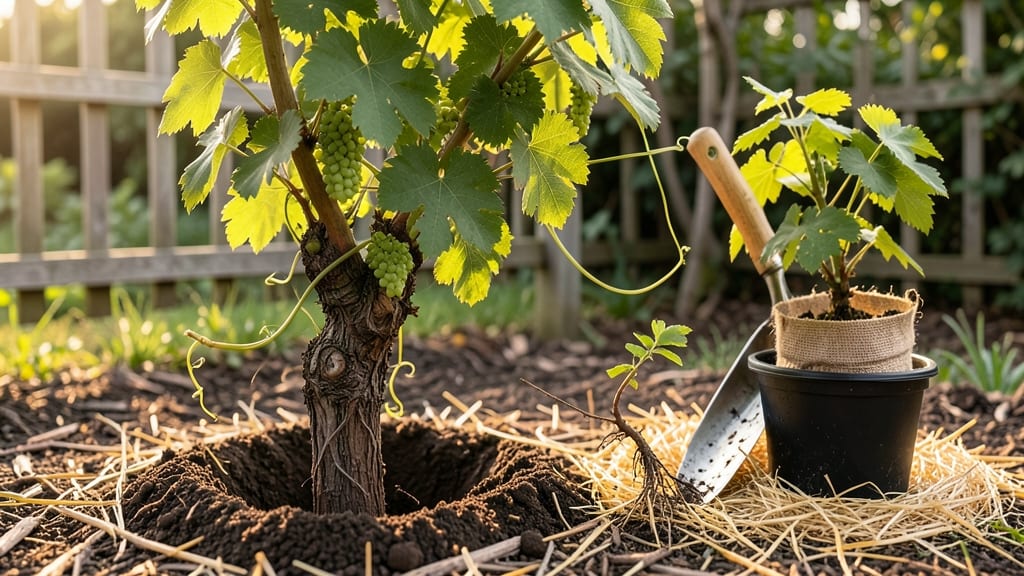
Planting grapes in North Carolina’s 6a-8b zones at the wrong time can mean the difference between thriving vines and struggling plants. The best window to plant your 🍇—whether muscadines or vinifera—hinges on chill-hour needs and avoiding frost, not just the calendar.
I’ve learned the hard way that fall planting (September-October) gives vines a head start in root growth before winter, while spring (February-April) works for bare-root varieties. But timing isn’t just about months—it’s about soil warmth, frost dates, and even your microclimate.
If you’re new to grape growing, you might wonder why some vines flourish while others fail. The answer lies in matching your variety to NC’s climate and preparing the soil right. Let’s break down the exact steps to plant grapes for a bountiful harvest—no guesswork needed.
From container-friendly tips to in-ground prep, I’ll walk you through what’s worked for me in North Carolina. Ready to get started? Let’s dig in.
Best planting months for grapes in NC based on chill-hours
North Carolina’s diverse climate—spanning USDA Zones 6a to 8b—means the best time to plant grapes depends on your chill-hour needs and local frost dates. Most gardeners in NC plant grapes in late winter to early spring (February–April) or fall (September–October), but timing varies by grape type.
For example, vinifera grapes (like Cabernet Sauvignon) need 500+ chill hours, while muscadines thrive with just 300–500 hours.
Spring planting (after last frost) gives vines time to establish roots before summer heat, while fall planting (6–8 weeks before first frost) allows roots to grow before dormancy. In Zone 7a (central NC), where last frosts average March 1, aim for March–April planting.
In Zone 8b (coastal NC), with milder winters, late February–March works best.
Chill hours—measured below 45°F (7°C)—are critical. Use this rule of thumb: Northern NC (Zones 6a–7a) can grow hybrid varieties (e.g., ‘Cynthiana’) with 500–800 chill hours, while Southern NC (Zones 7b–8b) suits low-chill muscadines (300–500 hours) or heat-tolerant vinifera.
Here’s how to match your grape variety to NC’s chill zones for success:
| Grape Type | Chill-Hour Needs | Best NC Zones | Planting Window |
|---|---|---|---|
| Muscadines | 300–500 | 7a–8b (Coastal/Southern) | Feb–March or Sept–Oct |
| Hybrids (e.g., ‘Cynthiana’) | 500–800 | 6a–7a (Mountains/Piedmont) | March–April or Sept |
| Vinifera (e.g., ‘Cabernet’) | 500–1,000+ | 7b–8b (Coastal/Protected) | Late Feb–March |
For spring planting, wait until soil temperatures rise above 50°F (10°C)—typically mid-March in Zone 7a and late February in Zone 8b. In fall, plant 6–8 weeks before first frost (e.g., September 15 in Zone 7a) to allow root establishment.
Avoid planting in summer, as extreme heat stresses young vines.
Pro tip: Use mulch (straw or wood chips) after planting to retain moisture and regulate soil temperature. In Zone 6a (western NC), where frosts linger until March 15, opt for hardier hybrids like ‘Norton’ or delay spring planting until April.
Container growing? Plant 1–2 weeks earlier in spring or 3–4 weeks later in fall—potted vines warm up faster. Just ensure containers are at least 15 gallons and have drainage holes to prevent root rot.
Check your local NC State Extension office for microclimate adjustments. For example, Asheville (Zone 7a) may need later spring planting than Raleigh (Zone 7b), due to higher elevations. Always monitor frost forecasts via the NC A&T Weather Station.
Once planted, water deeply once a week for the first month to encourage root growth. Avoid overhead watering to prevent fungal diseases like powdery mildew, common in NC’s humid summers.
Best planting months for grapes in NC based on chill-hours
North Carolina’s diverse climate zones (USDA 6a–8b) mean chill-hour needs dictate the best time to plant grapes. Most varieties thrive with 300–1,000 chill hours, but timing depends on whether you’re growing muscadines (native, low-chill) or vinifera (wine grapes, high-chill).
For spring planting (February–April), aim for dormant bare-root vines when soil temps hit 50°F (10°C). This gives vines 6–8 weeks to establish roots before summer heat. Fall planting (September–October) is ideal for cooler zones (6a–7a), letting vines harden off before winter.
| Variety | Chill-Hour Needs | Best Planting Window | Notes |
|---|---|---|---|
| Muscadines (e.g., Scuppernong) | 300–500 hours | Spring (Feb–March) or Fall (Sept–Oct) | Native to NC; drought-tolerant |
| Hybrids (e.g., Cynthiana) | 500–800 hours | Spring (March–April) | Cold-hardy; great for zones 6a–7a |
| Vinifera (e.g., Cabernet Sauvignon) | 900–1,200 hours | Spring (March–April) only | Requires warmer zones (7b–8b) |
In Zone 6a, plant muscadines or hybrids by April 15 to avoid late frosts. Zone 8b gardeners can extend planting to late March for vinifera, but avoid fall planting—winter rains can rot tender roots.
Always check your last frost date (e.g., March 15 in Zone 6a) to time planting perfectly.
For container growing, plant 1–2 weeks earlier in spring—pots warm faster and dry out quicker. Use well-draining soil mixed with compost to prevent root rot, especially in NC’s humid summers. Mulch with wood chips to retain moisture and regulate soil temps.
Avoid planting in summer or early fall—grapes need dormancy to harden off. If you miss the window, wait until next spring. Root growth is critical in the first year, so prioritize watering deeply (1–2 inches per week) until vines establish a strong network.
Pro tip: Test your soil’s pH (6.0–6.5) before planting. Amend with lime if too acidic or sulfur if alkaline. NC’s clay-heavy soils benefit from gypsum to improve drainage—critical for grapevine health. 🌱