
Planting
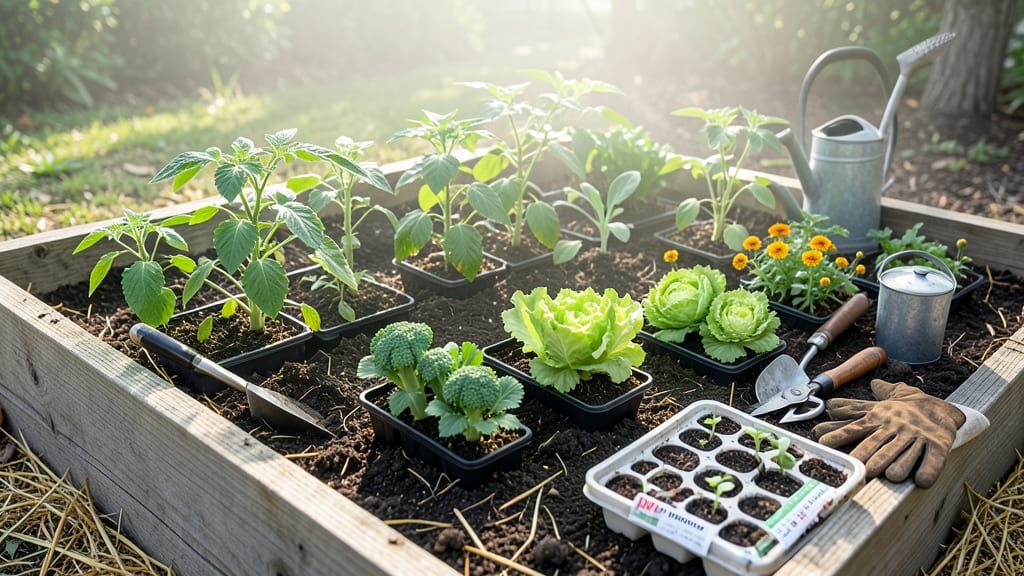
Timing your garden planting in West Virginia can feel like playing a high-stakes game of chance—one wrong move, and frost wipes out your hard work before it even begins.
With USDA Zones 6a-7b throwing unpredictable weather swings, knowing the exact windows for planting 🌱 General Garden Plants is the difference between a thriving harvest and a sad pile of seedlings.
Spring planting in WV kicks off as early as late March for cold-hardy crops like spinach and peas, but warm-season favorites like tomatoes and peppers won’t tolerate frost—so waiting until after the last average frost date (March 20-April 15) is critical.
Miss the mark, and you’ll be scrambling to replant or watching your seedlings turn into frostbitten casualties.
Fall planting offers a second chance, with August-September being prime time for cool-season crops like kale and carrots. But rushing it too late? You risk a premature first frost (October 30-November 15), leaving your plants struggling to mature.
The key is balancing soil warmth, frost dates, and your plants’ needs—something I’ll break down so you can plant with confidence.
Whether you’re a first-time gardener or a seasoned pro, mastering these deadlines means fewer replants, more harvests, and a garden that actually delivers on its promises. Let’s dive into the perfect planting schedule for your WV zone—so you can stop guessing and start growing.
WV planting deadlines by season: frost dates and last-minute safeguards
West Virginia’s USDA Zones 7a and 7b offer a surprisingly short 160-day frost-free season. That means timing your garden is everything—miss the window, and you’ll lose your tomatoes, peppers, and squash to late frosts.
The average last frost date in Zone 7a is April 15, while Zone 7b gardeners can start earlier around March 20. But don’t rely on averages; use these guidelines to plan for success.
For cool-season crops like lettuce, spinach, and peas, you’ll want to plant 4-6 weeks before your last frost date. This gives them time to mature before summer heat sets in.
Meanwhile, warm-season crops such as basil, cucumbers, and beans need to wait until 2-3 weeks after the last frost when soil temperatures consistently reach 60°F.
Here’s how to extend your growing season with simple tools like row covers or cold frames—both can push your planting window by 2-4 weeks in early spring or late fall.
For example, you might plant broccoli or cabbage in early March under a cover and still harvest before summer heat arrives.
In late summer, focus on heat-tolerant crops like sweet potatoes, okra, and Swiss chard. These can handle WV’s humid summers and often produce well into October, even after the first frost. But don’t wait too late—soil should still be warm enough for germination (at least 55°F).
Always check your local microclimate. High-elevation areas in the Appalachian Mountains may experience frost 2-3 weeks later than lower elevations in the northern panhandle. Use a soil thermometer to confirm readiness—cold soil delays germination, even if air temperatures seem warm.
| Season | Planting Window | Key Crops | Safeguards |
|---|---|---|---|
| Early Spring | Zone 7b: March 1–15 Zone 7a: March 15–30 |
Peas, spinach, kale, radishes | Row covers, cold frames |
| Late Spring | Zone 7b: April 1–15 Zone 7a: April 15–30 |
Lettuce, broccoli, carrots, onions | Soil thermometer checks |
| Early Summer | Zone 7b: April 15–May 1 Zone 7a: May 1–15 |
Tomatoes, peppers, cucumbers, beans | Wait for soil >60°F |
| Late Summer | Zone 7b: June 15–July 15 Zone 7a: July 1–15 |
Sweet potatoes, okra, Swiss chard | Drought-resistant varieties |
| Fall | Zone 7b: August 1–15 Zone 7a: August 15–30 |
Kale, Brussels sprouts, turnips | Extend with row covers |
Pro tip: Use succession planting to maximize your garden’s potential. For example, plant radishes (which mature in 30 days) in early spring, then follow with bush beans (60 days) and finally squash (90 days). This keeps your harvests coming all season long without gaps.
If you’re unsure about your local frost dates, check the National Weather Service or use a frost calendar from your county extension office. Even a 1-2 week delay can mean the difference between a thriving garden and a failed crop. Don’t gamble with your hard work—plan ahead!
For perennials and shrubs, plant in early spring or fall when soil is workable but not frozen. This gives roots time to establish before winter dormancy. Mulch heavily after planting to protect against freeze-thaw cycles, which can heave plants out of the ground.
Remember: WV’s humid summers can also bring pests like Japanese beetles or squash vine borers. Start your warm-season crops 2-3 weeks after the last frost to give them a head start before these pests become active. Use row covers for early plantings to deter them.
With these deadlines and safeguards, you’ll avoid the heartbreak of frost damage and enjoy a longer, more productive growing season—even in WV’s unpredictable climate. Happy planting! 🌱
How to adjust planting timing for WV’s unpredictable weather patterns
West Virginia’s microclimates and late frosts can throw off even the most experienced gardener. In Zone 7a, a sudden cold snap in May isn’t unheard of, while Zone 7b might see an early frost in September.
The key is flexibility—adjusting your planting schedule based on real-time conditions rather than relying solely on averages.
Start by checking your soil temperature. Most warm-season crops like tomatoes and peppers need soil at 60°F or warmer to thrive. Use a soil thermometer to confirm readiness—cold soil can stunt growth, even if air temperatures seem ideal.
In my garden, I’ve seen a 10-day delay in planting because the soil stayed too cool.
🚨 : callout warning 🚨
⚠️ Late Frost Warning
If your area hasn’t hit the average last frost date by early May, don’t rush to plant tender annuals. Wait until May 15-30 for Zone 7a and April 20-May 15 for Zone 7b. Use frost cloth or row covers for an extra layer of protection.
Pro Tip: Monitor the National Weather Service or local agricultural extensions for frost advisories in late spring.
For high-elevation areas (like the Allegheny Mountains), override the zone guidelines. These spots often mimic Zone 6 conditions, so push planting dates back by 2-3 weeks. I’ve seen blackberries and blueberries thrive when planted in early June instead of May, avoiding early-season frosts.
Succession planting is your best friend in WV. Instead of planting all your lettuce or radishes at once, stagger seeds every 2 weeks from March through May. This ensures a steady harvest and reduces the risk of losing everything to a late frost.
In my experience, this method has doubled my yield of leafy greens.
Don’t forget about fall planting. While spring gets all the attention, late summer and early fall offer a second chance to grow. Start cool-season crops like kale and carrots in August for a harvest before winter.
Just be mindful of your first frost date—Zone 7a gardens should wrap up by October 15, while Zone 7b can push to November 1.
Finally, embrace container gardening for flexibility. Potted plants can be moved to sheltered spots or brought indoors if frost threatens. I’ve used this trick to extend my herb garden into December by moving basil and parsley to a sunroom. It’s a small effort with big rewards!