
Planting
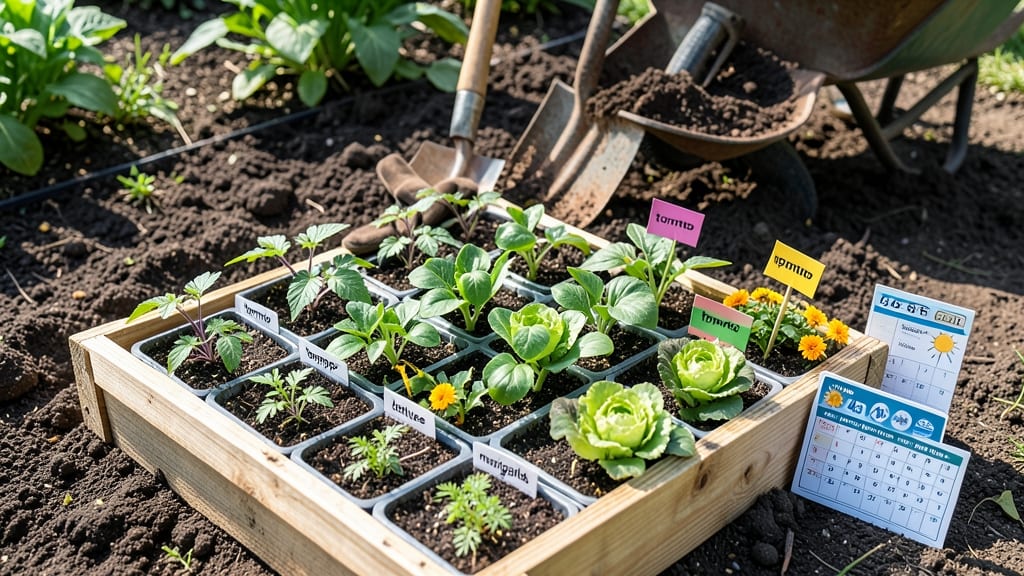
Timing your garden planting in Iowa isn't just about following a calendar—it's about outsmarting the state's infamous last frost dates and unpredictable weather swings. One week too early, and a late freeze could turn your tender seedlings into sad, crispy snacks.
But with the right USDA Zone 5 strategy, you can turn those frost probabilities into a competitive advantage for a thriving 🌱 garden.
Let's face it: Iowa's growing season is short, and every day counts. Whether you're dreaming of crisp lettuce salads in May or juicy tomatoes by July, knowing exactly when to plant cool-season crops like peas versus warm-season favorites like peppers makes all the difference.
I'll show you how to read frost charts like a pro and adjust your schedule based on whether you're in northern Iowa's cooler microclimate or southern Iowa's slightly warmer pockets.
What if I told you that some of your best harvests could come from fall planting? That's right—many vegetables thrive when sown in late summer for an extended season.
We'll cover the full year-round calendar, including soil prep tricks to jumpstart your spring planting and how to protect young plants when Mother Nature throws a curveball. No more guessing games—just science-backed timing that actually works.
Ready to transform your backyard into a productive oasis? I'll walk you through the exact months to plant each crop, how to handle Iowa's infamous weather whiplash, and even when to start seeds indoors for maximum success.
Let's get your garden growing on the right schedule—no more wasted effort, just bountiful results.
Iowa’s last frost dates by region: when to plant cool-season vs warm-season crops
Iowa’s USDA Zone 5 classification means gardeners must work with a short growing season and unpredictable frost patterns. The state’s last average frost dates vary by region—northern Iowa can expect frost as late as May 15, while southern areas may see frost-free conditions by April 20.
These differences directly impact when you can safely plant cool-season crops like lettuce and warm-season crops like tomatoes.
For cool-season vegetables, such as broccoli, peas, and spinach, planting begins as early as mid-March in southern Iowa.
However, in northern regions, wait until late April to avoid frost damage. Warm-season crops, including tomatoes, peppers, and cucumbers, require soil temperatures above 50°F (10°C) and should only be planted after the last frost—typically mid-May in most of Iowa.
Here’s how frost probabilities affect your planting schedule:
Use these frost probabilities to guide your planting. For example, if you’re in northern Iowa, planting peas in early April carries a 30% risk of frost, while waiting until late April reduces that risk to 10%.
Similarly, tomatoes planted before May 15 in central Iowa face a 25% frost risk, so timing is critical for survival.
To further protect your plants, consider using frost cloths or row covers for early plantings. These can extend your cool-season growing window by 2-3 weeks and shield tender seedlings from unexpected late frosts.
For warm-season crops, always wait until the soil temperature consistently stays above 60°F (15°C)—a soil thermometer is your best tool for accuracy.
Iowa’s first frost dates also matter for fall planting. In northern Iowa, expect frost by October 10, while southern areas may see frost as late as October 25.
This means cool-season crops like kale and carrots can be planted as late as mid-September in southern regions, but only until early September in the north.
Pro tip: Check the Iowa State University Extension’s frost date maps annually, as climate shifts can alter historical averages. For instance, 2023 saw frost dates shift 7-10 days later than the 30-year norm in many areas. Staying flexible with your planting schedule ensures you adapt to Iowa’s ever-changing weather patterns.
For high-risk crops like melons and squash, which need consistent warmth, consider starting seeds indoors or using black plastic mulch to warm the soil faster. This can shave 10-14 days off your planting timeline, giving these heat-loving plants the head start they need.
Remember, Iowa’s microclimates play a huge role. A south-facing slope in your yard may warm up 2-3 days earlier than the surrounding area, while low-lying spots can hold frost longer. Use these natural advantages to your benefit by planting heat-sensitive crops in the warmest spots first.
How to adjust your planting timeline for Iowa’s unpredictable weather patterns
Iowa’s variable frost dates and sudden temperature swings can derail even the most careful gardener’s plans. That’s why I’ve learned to use season-extending techniques to protect tender plants and push my growing season earlier.
A frost cloth or row covers can add 2-4°F of protection, letting me plant cool-season crops like spinach 2-3 weeks before the average last frost date.
For warm-season crops such as tomatoes and peppers, I rely on soil warming methods like black plastic mulch or cold frames. These can raise soil temperatures by 5-10°F, helping seedlings establish faster. In my experience, this shaves 10-14 days off the time needed to reach transplanting readiness.
Here’s the visual breakdown of my go-to strategies for adjusting planting timelines in Iowa’s unpredictable climate:
One of my biggest lessons came when I planted cantaloupe seeds too early in southern Iowa. The late-May frost wiped out my entire crop. Now I wait until Memorial Day weekend when soil temperatures consistently stay above 70°F.
For northern Iowa, I push that back to early June to avoid similar risks.
I’ve also found that succession planting every 2 weeks for crops like lettuce and radishes gives me harvests all summer long. This works particularly well for short-season varieties that might bolt in Iowa’s heat. By staggering plantings, I ensure a steady supply even when weather throws curveballs.
Don’t forget to monitor local weather forecasts and adjust as needed. The National Weather Service and Iowa State University Extension both provide frost probability maps that I check weekly.
When they forecast a 30%+ chance of frost after May 15, I’m ready to cover my plants or bring tender seedlings indoors.
With these adjustments, I’ve successfully grown tomatoes in May and green beans through September—proof that Iowa’s short growing season doesn’t have to limit your harvests. The key is flexibility and preparation.