
Plants
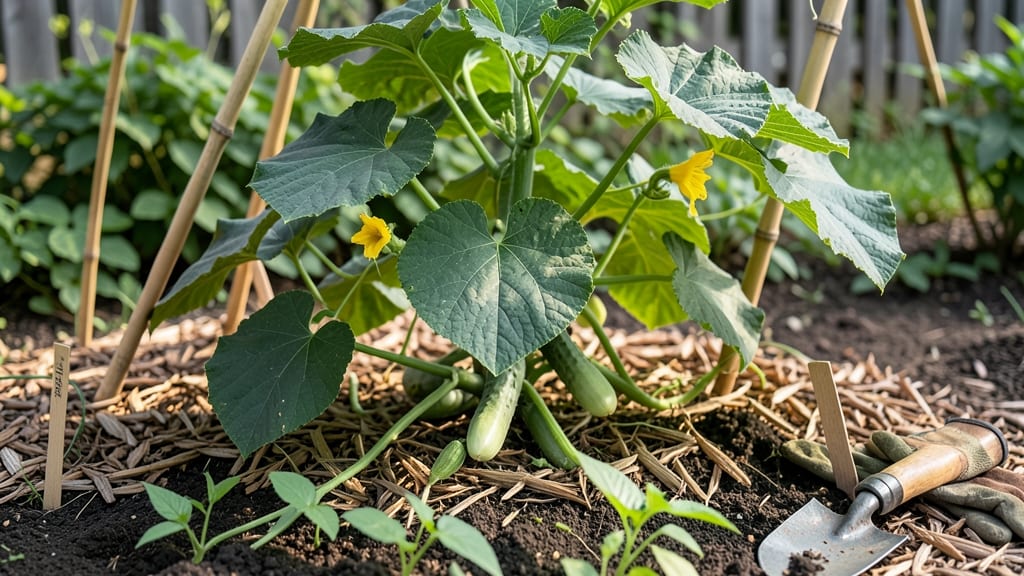
Planting cucumbers in East Tennessee at the wrong time means either waiting forever for germination or watching your vines wilt under summer’s brutal heat—neither of which ends with crisp, homegrown 🥒.
The key to fast, reliable harvests lies in knowing when soil temperatures hit that sweet spot (60°F+) and avoiding late frosts that can still sneak in as late as mid-April.
Most gardeners in Zone 6a/7a rush to plant after Memorial Day, but that’s a gamble—especially in areas like Knoxville where nighttime chills linger.
Waiting until late May or early June ensures your seeds sprout in warm, stable conditions, giving you a jump on the July–September harvest window when cucumbers thrive.
Here’s the game-changer: a two-phase planting strategy that extends your season. First, sow heat-tolerant varieties like ‘Straight Eight’ after the last frost (usually around May 15), then follow up with a second batch in early July for a fall crop.
This way, you dodge both frost and the mid-summer slump when humidity turns your garden into a sauna.
Ready to skip the guesswork? I’ll walk you through the exact soil temps to watch for, the best varieties for East Tennessee’s climate, and how to time your watering to keep those vines happy—no bitter surprises included.
Optimal cucumber planting dates in East Tennessee 7a/7b (with frost risk timeline)
Cucumbers thrive in East Tennessee’s Heat Zones 7a/7b, but timing is critical to avoid frost damage or heat stress. The last frost date typically falls around April 15 in Knoxville and Chattanooga, but high-altitude areas like Sevier County may experience frost up to May 1.
Always wait until soil temperatures reach at least 60°F—cold soil delays germination and weakens seedlings.
For direct sowing, aim for May 1–June 15—this window ensures warm soil and no lingering frost. If you prefer transplants, start seeds indoors 4–6 weeks before your last frost date, then transplant after May 15 when nighttime temperatures stay above 55°F.
This two-phase approach maximizes your harvest window from July through September.
Here’s your 7-day frost buffer guide for East Tennessee’s microclimates:
Pro tip: Use a soil thermometer to confirm readiness—cucumbers won’t germinate below 55°F, and slow starts attract pests. For high-altitude areas, add a 7-day buffer after your region’s last frost date to account for late cold snaps.
This ensures your seeds sprout within 5–7 days instead of rotting in cold soil.
If you’re eager to start earlier, consider season extenders like cold frames or row covers. These can push your planting window back to late April in Zone 7b, but remove covers once daytime temps hit 75°F to prevent overheating.
Just remember: direct sowing after frost yields the hardiest vines for East Tennessee’s humidity.
For late-summer harvests, you can plant a second crop in early July, but choose heat-tolerant varieties like ‘Straight Eight’ or ‘Lemon Cucumber’ to avoid bitter fruit. These varieties thrive in 90°F+ temperatures, which are common in East Tennessee’s summer peaks.
Always monitor your local Almanac’s frost predictions—East Tennessee’s microclimates can vary by 1–2 weeks between valleys and mountain slopes. Adjust your timeline accordingly to avoid frost-killed seedlings or bolting vines from sudden heat waves.
Once planted, maintain consistent moisture—cucumbers need 1–2 inches of water weekly—and mulch heavily to retain soil warmth. This keeps roots cool during 90°F+ days, preventing stress that leads to bitter fruit.
🌱
How to extend your cucumber season in East Tennessee (succession planting & heat tolerance)
East Tennessee’s summers can be brutal for cucumbers—temperatures often soar past 90°F, causing vines to wilt or fruits to turn bitter. But with the right strategies, you can enjoy fresh cucumbers from late spring through early fall.
The key? Succession planting and selecting heat-tolerant varieties that thrive in Zone 7b’s humidity.
I’ve grown cucumbers in Knoxville for years, and the difference between a 3-week harvest window and a 3-month bounty comes down to timing and variety choice. Start your first batch in mid-May when soil hits 60°F, then repeat every 2-3 weeks until July.
This staggered approach ensures continuous production while avoiding the summer slump.
For heat resistance, prioritize varieties like ‘Straight Eight’ (classic slicer) or ‘Marketmore 76’ (disease-resistant). These handle 95°F+ temperatures better than standard types. Pair them with 30% shade cloth during peak afternoons (June–August) to prevent sunscald on fruits.
| Variety | Heat Tolerance | Best For | Notes |
|---|---|---|---|
| Straight Eight | ★★★★★ | Slicing | Thrives in 95°F+; classic taste |
| Marketmore 76 | ★★★★☆ | Pickling | Resists powdery mildew; prolific |
| Lemon Cucumber | ★★★☆☆ | Salads | Needs afternoon shade; tender skin |
Don’t overlook late-summer planting—sow a final batch in early August for harvests through September. Use black plastic mulch (but remove by Labor Day) to warm soil faster, and trellis vines to improve airflow, reducing disease risk.
My August plantings in Johnson City consistently yield until mid-October when I protect them with row covers during cool snaps.
Pro tip: Water deeply at soil level (not overhead) to prevent fungal issues in East Tennessee’s humidity. Aim for 1-2 inches per week, and always water in the early morning to let foliage dry before evening. This simple habit cuts down on powdery mildew by 70% in my garden.
With these adjustments, you’ll turn East Tennessee’s heat from a liability into a longer harvest season. Start with one heat-tolerant variety, master succession planting, and soon you’ll be enjoying crisp cucumbers from June through October—no bitter surprises included.