
Planting
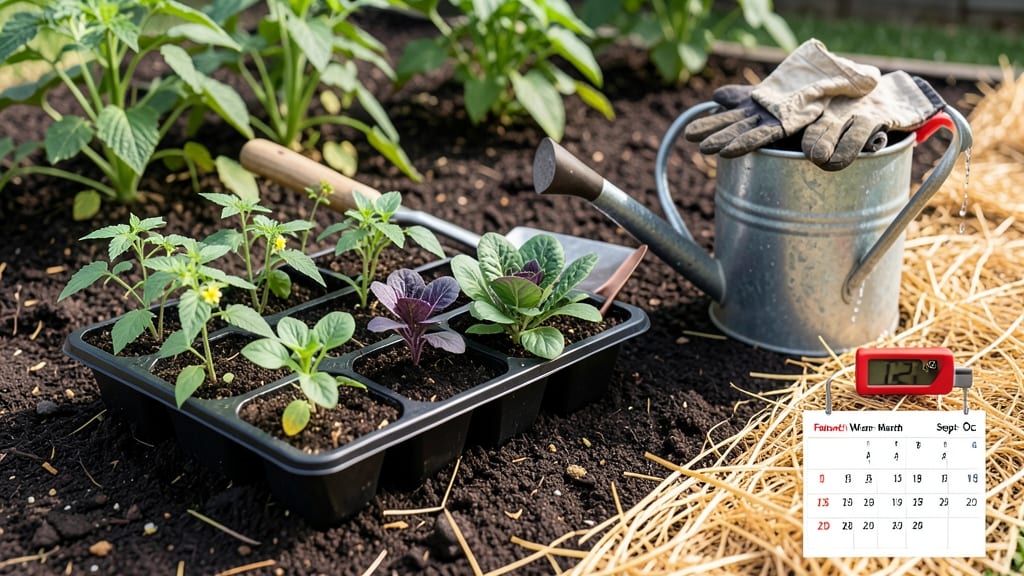
Planting your General Georgia Garden 🌱 at the wrong time can mean the difference between a bountiful harvest and wasted seeds—but getting the timing right in Georgia’s 7a-8b zones isn’t always intuitive.
With frost dates shifting from mid-March to mid-November and microclimates as varied as Atlanta’s heat islands or the mountains’ cooler pockets, even experienced gardeners sometimes guess wrong.
I’ve spent years tracking the perfect moments to drop seeds in the soil, and what I’ve learned could save you from common mistakes like planting heat-lovers too early or missing the narrow window for cool-season crops.
Whether you’re dreaming of juicy peaches, sweet blueberries, or crisp okra, knowing exactly when to plant—down to the month—is the key to a thriving garden.
In this guide, I’ll break down the ideal planting calendar for Georgia, from frost-sensitive veggies to heat-tolerant favorites, and share regional tweaks to adapt to your specific corner of the state. No more second-guessing—just a clear, actionable timeline to maximize your harvest.
Ready to turn your garden into a year-round success? Let’s get started with the precise months that work best for your plants—and your climate.
Georgia planting calendar by crop type: exact months for frost-free success
Georgia’s USDA Zones 7a-8b offer a 210-240 day frost-free growing season, but timing matters. Most gardeners aim to plant spring crops after mid-March (average last frost) and fall crops by mid-September (8-10 weeks before first frost).
However, heat-loving crops like okra and sweet potatoes thrive when planted in late spring to early summer.
Your planting window depends on the crop type. Cool-season vegetables like broccoli and spinach need early spring or late summer starts, while warm-season crops like tomatoes and peppers should wait until soil warms to 60°F+.
Georgia’s humidity also means some plants (like cucumbers) benefit from shade cloth during peak summer heat.
Here’s a crop-by-crop breakdown of ideal planting months, tailored to Georgia’s climate. Use this as your guide to avoid common timing mistakes and maximize yields.
For spring planting, focus on cool-hardy crops like lettuce and radishes in February–March, then transition to warm-season crops by April.
In summer, prioritize heat-loving plants like okra and sweet potatoes, which thrive in Georgia’s humidity. Fall planting (August–September) is ideal for broccoli, kale, and carrots to harvest before frost.
Pro tip: Use soil thermometers to confirm soil temps. Warm-season crops need 60°F+, while cool-season crops grow best in 50–65°F soil. Georgia’s clay-heavy soils in some regions (like middle Georgia) may need compost amendments to improve drainage for warm-season plants.
Don’t overlook succession planting! For example, sow bush beans every 2 weeks from April to July to ensure a steady harvest. Similarly, lettuce can be sown in February, August, and September for multiple harvests. This strategy maximizes your 210+ frost-free days and reduces waste.
Georgia’s mountain regions (e.g., Blue Ridge) have cooler microclimates, while coastal areas (e.g., Savannah) stay warmer longer. Adjust planting dates by 1–2 weeks based on your local frost history.
For example, mountain gardeners might plant tomatoes in late May, while coastal gardeners can start them in early April.
Always check local frost forecasts from sources like the National Weather Service or Georgia Climate Project. A late frost in April can devastate tender seedlings, so have row covers ready. Conversely, early fall plantings benefit from cold frames to extend harvests into November.
Start with these Georgia-friendly crops for foolproof timing: okra (plant April–May), sweet potatoes (plant March–April), collards (plant February–March or July–August), and peaches (plant November–December). These varieties thrive in Georgia’s heat and humidity with minimal fuss.
Remember: Soil prep is half the
How Georgia’s microclimates affect planting times (and how to adapt)
Georgia’s diverse geography means your planting schedule should change based on whether you’re in the Coastal Plain, Piedmont region, or mountain areas. These areas experience different frost dates, soil temperatures, and even humidity levels—all of which impact when you should plant.
For example, Savannah may see last frosts in early March, while Blue Ridge Mountains can still have frost in late April.
Understanding these differences helps you avoid common mistakes like planting tomatoes too early in cooler zones or okra too late in heat-sensitive areas. The key is to adjust your timeline by 2-4 weeks depending on elevation and local frost history.
Always check your specific USDA Zone (7a-8b) and local weather patterns for the most accurate guidance.
Last frost: Mid-February to early March. Plant warm-season crops like peppers and squash 2-3 weeks earlier than Piedmont areas. Humidity is higher, so prioritize airflow and disease-resistant varieties.
Last frost: Mid-March. This is Georgia’s most balanced zone—ideal for spring and fall crops. Start cool-season veggies like broccoli in February and warm-season crops like okra in late April.
Last frost: Late April. Plant cold-hardy crops like kale and cabbage 4-6 weeks earlier than Piedmont. Use row covers to extend the season for heat-loving plants like tomatoes and peppers.
Soil warms 1-2 weeks faster than rural areas. Plant warm-season crops like eggplants 10-14 days earlier and monitor soil temperature with a soil thermometer to avoid overheating seedlings.
To adapt your planting schedule, start by testing your soil temperature—most seeds need soil at 60°F+ for warm-season crops and 50°F+ for cool-season crops. Use mulch or black plastic to warm soil faster in cooler zones, or shade cloth to protect seedlings from intense heat in urban areas.
Another trick is to use row covers or cold frames to extend your planting window by 3-4 weeks in both spring and fall. For example, you can plant spinach in early February under covers in the Piedmont, while mountain gardeners might wait until late March.
This flexibility helps you maximize your growing season, especially for slow-maturing crops like peaches or blueberries.
Finally, keep an eye on local frost forecasts from sources like the National Weather Service or University of Georgia Extension. These resources provide hyper-localized advice that can save your garden from unexpected late frosts or early heatwaves.
With these adjustments, you’ll be planting at the perfect time for your specific corner of Georgia!