
Plants
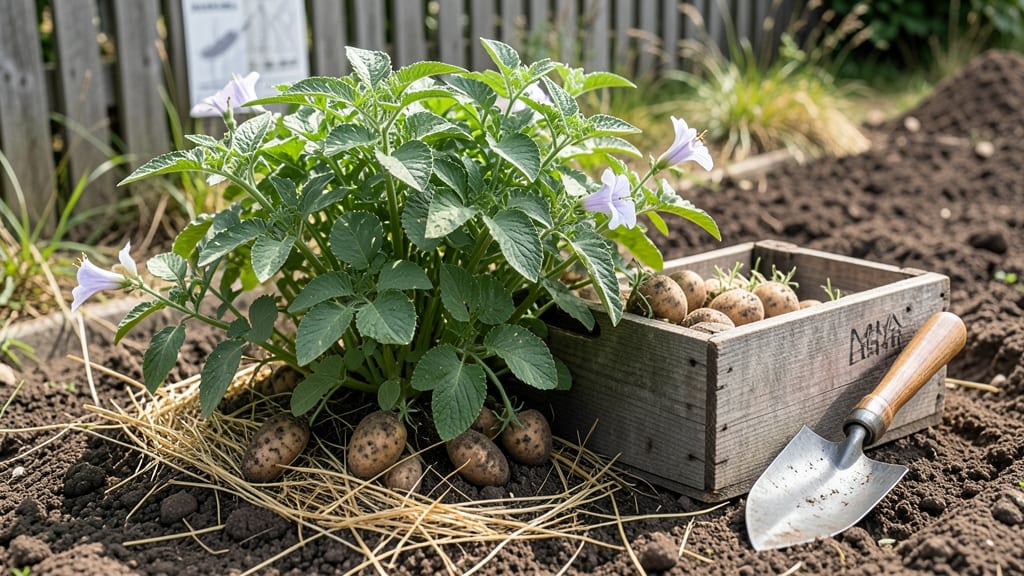
Planting potatoes in North Carolina at the wrong time can turn your garden dreams into a frost-killed nightmare—but there’s a sweet spot that guarantees success. The key isn’t just waiting for spring; it’s understanding your local frost patterns and soil conditions to time it perfectly for zero-frost growth.
Most gardeners in zones 7a-8b rush to plant too early, only to watch their sprouts freeze back. The real window opens 4-6 weeks after your last frost date, typically by late February or early March, depending on whether you’re in the Coastal Plain, Piedmont, or Mountains.
This timing ensures your 🥔 potatoes get the consistent warmth they crave without risking frost damage.
I’ve learned the hard way that planting too soon leads to stunted tubers, while waiting too long cuts your harvest short. The solution? A strategic approach that includes soil temperature checks, cold-hardy varieties, and even row covers to extend the season.
Let me show you exactly how to nail this timing for a bumper crop.
By mastering these techniques, you’ll transform your garden into a potato powerhouse—no more wasted seed potatoes or disappointing yields. Ready to dig into the details? Let’s get started.
North Carolina frost zones & ideal planting windows for potatoes
North Carolina’s diverse climate—spanning USDA zones 5a-8a—means your potato planting window varies dramatically from the Coastal Plain to the Mountains. The key to success is planting when soil temperatures hit 45-50°F and the risk of frost has passed, typically 4-6 weeks after your last average frost date.
For most of NC, this lands in late February to early March, but timing shifts by region.
In the Coastal Plain (zones 8a-8b), where winters are milder, you can plant as early as January for early varieties like Red LaSoda. Meanwhile, gardeners in the Piedmont (7a-7b) should wait until mid-March to avoid late frosts.
Mountain regions (zones 5a-6b) often delay planting until April due to colder soils.
To pinpoint your exact window, check the NC State Extension’s frost maps or use the 34°F threshold as your guide—plant when nighttime lows consistently stay above this mark. I’ve found that using a soil thermometer (not air temperature!) confirms readiness.
For example, in Raleigh, soil temps hit 50°F around March 10, while Asheville waits until April 1.
Here’s the critical rule: Never plant when soil temps are below 45°F. Cold soils stunt tuber formation, leading to small, misshapen potatoes. Instead, use this window to prep your beds with compost-rich soil and organic mulch to warm the earth faster.
Pro tip: If you’re eager to start earlier, use black plastic mulch or straw bales to warm the soil by 5-10°F. I’ve seen gardeners in the Piedmont plant 2 weeks early with this trick—just remove the mulch once sprouts emerge to avoid overheating.
For late varieties like Russet Burbank, aim for April planting to ensure a full 90-day growing season before harvest.
Another game-changer? Succession planting. In NC’s longer growing zones (8a-8b), you can plant every 2 weeks from February to April for a staggered harvest. This works especially well for new potatoes (harvested at 60 days) and storage varieties (harvested at 120 days).
Just track your planting dates on a gardening calendar to avoid overlapping harvests.
For those in zone 5a (e.g., the higher Mountains), consider container growing with row covers. I’ve had success with 5-gallon buckets filled with potting mix, planted in May after the last frost. The containers warm faster and let you harvest small potatoes by July before fall frosts arrive.
Remember: The earliest you can plant is when soil temps hit 45°F, but the latest you should plant is 6 weeks before your first frost (typically by July 1 in most of NC).
After that, your tubers won’t mature before cold sets in. Plan ahead, and your 🥔 harvest will thank you!
How to time potato planting for zero-frost success: a step-by-step guide
Timing your potato planting in North Carolina isn’t just about waiting for spring—it’s about creating the perfect conditions for zero-frost growth. The key is planting 2-4 weeks before your last frost date, when soil temperatures hit 45-50°F.
This window typically falls between late February and early March, but it varies by region.
For the Coastal Plain, where frosts are milder, you can start as early as mid-February. In the Piedmont, aim for late February to early March, while mountain regions may need to wait until mid-March. Always check NC State Extension’s frost maps for your specific area.
Here’s my step-by-step guide to planting potatoes at the perfect time, even if your garden is still chilly:
One trick I swear by is warming the soil with black plastic mulch laid down a week before planting. This raises soil temps by 5-10°F, giving your potatoes a head start. Just remove the mulch once sprouts appear to prevent overheating.
For gardeners in Zone 7a (like the mountains), consider planting early-season varieties like Red Norland in late February. In Zone 8b (Coastal Plain), you can even plant two crops: one in February and another in April for a fall harvest.
Pro tip: If you’re unsure about frost dates, plant a test row of fast-maturing New Potatoes (like ‘Early Red’) 2 weeks before your target date. If they thrive, you’ve found your sweet spot!