
Plants
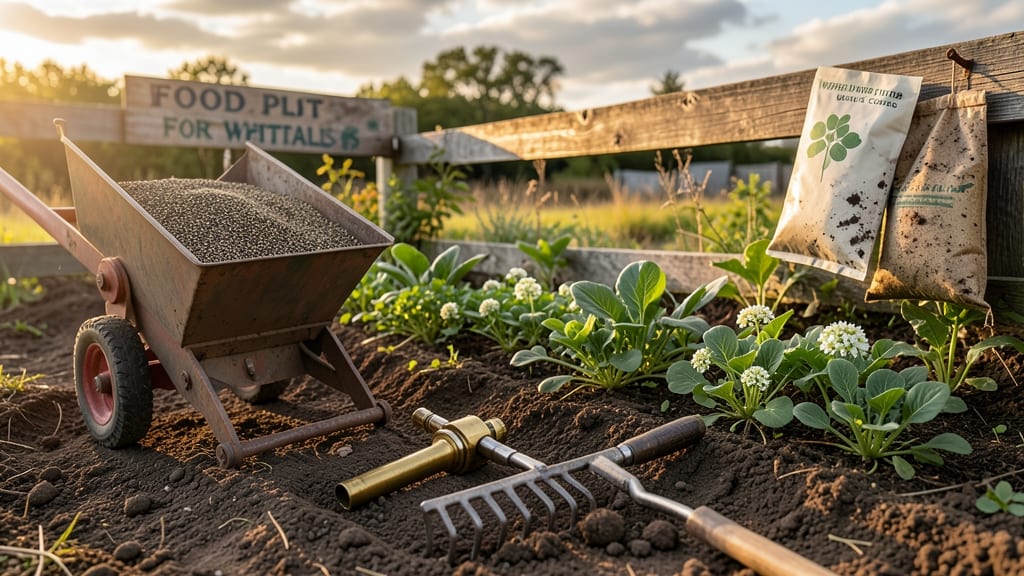
Planting your 🌾 food plots at the wrong time in Georgia could mean watching deer pass up your hard work—so getting the timing right is everything. The difference between a thriving whitetail hotspot and a missed opportunity often comes down to understanding Georgia's unique climate zones and frost patterns.
Whether you're in the Piedmont hills or the Coastal Plain, knowing when to plant—like late winter for clover mixes or summer for brassicas—makes all the difference.
I'll walk you through the exact planting windows that align with Georgia's 7b-8b zones, so you can create forage that deer will flock to during hunting season.
You'll discover how to time your plantings with last frost dates, soil temperatures, and deer browsing habits for maximum success. From spring clover mixes to summer brassicas, I'll break down the best crops for each season and how to prepare your soil for peak growth.
Let's get your food plots growing on schedule—so you can enjoy watching whitetails feast on your property all season long.
Georgia’s 5 climate zones: optimal food plot planting windows by region
Georgia’s diverse climate zones create unique opportunities—and challenges—for planting whitetail food plots. From the cool North Georgia Mountains to the humid Coastal Plain, each region demands a tailored approach to timing.
Understanding your zone’s frost-free dates and rainfall patterns is critical to avoid planting too early or missing peak growth windows.
For example, North Georgia (Zone 7b) has later last frosts (mid-April) compared to South Georgia (Zone 8b), where soil warms faster by late February. This means your clover mixes might thrive in March up north but should be planted in February down south.
Let’s break down the best planting windows for each zone to maximize deer attraction.
| Zone | Last Frost Date | Best Spring Planting Window | Best Fall Planting Window | Key Crops |
|---|---|---|---|---|
| North Georgia Mountains (7b) | Mid-April | Late March - Early April | Late August - Mid-September | Clover, Rye, Turnips |
| Piedmont (7b-8a) | Early April | Mid-March - Late March | Late July - Early September | Brassicas, Soybeans, Winter Peas |
| Coastal Plain (8a-8b) | Late March | Late February - Early March | Mid-July - Late August | Sorghum, Millet, Sunflowers |
| Wiregrass (8b) | Early March | Early February - Late February | June - Mid-July | Clover, Winter Rye, Peanuts |
Notice how Wiregrass can plant 6 weeks earlier than North Georgia? This shift aligns with Georgia’s 200+ frost-free days in most regions. For spring plantings, aim to sow 4-6 weeks before last frost—this ensures seedlings emerge before cold snaps.
In fall, plant 6-8 weeks before first frost to guarantee a full growing season.
Regional rainfall also plays a role. The Coastal Plain gets 50+ inches annually, while North Georgia sees 45-50 inches. Adjust irrigation if your area experiences drought during peak growing months (May-July).
For instance, sorghum in the Coastal Plain may need supplemental watering in June, while clover in the Piedmont might thrive with natural rainfall.
Pro tip: Use a soil thermometer to confirm 60°F soil temps before planting warm-season crops like millet or sunflowers. In Zone 8b, this often happens by mid-February, while Zone 7b may wait until late March.
Timing soil warming with planting dates prevents seed rot and ensures vigorous growth.
For fall plantings, prioritize cool-season crops like winter peas or turnips. These thrive when daytime temps drop below 80°F. In North Georgia, this means planting by late August, while South Georgia can extend planting until mid-September.
Always check 7-day forecasts for frost warnings—a late frost can devastate young seedlings.
Don’t overlook microclimates within your property. A south-facing slope warms 2-3 weeks earlier than a north-facing valley. Plant early-maturing varieties on cooler spots to avoid frost damage. For example, ‘Dixie’ clover matures faster than ‘Arrowhead’ clover, making it ideal for higher elevations.
Finally, align your planting with deer browsing patterns. Whitetails crave fresh spring greens (March-April) and fall mast (September-October). By planting clover in March and winter peas in September, you create a year-round forage source that keeps deer visiting your property.
Use this zone-specific timing to turn your food plots into a whitetail magnet.
🌱
Best crops for each Georgia season: matching planting dates to deer browsing needs
Georgia’s long growing season lets you plant food plots year-round, but timing matters most for deer attraction. Spring and fall plantings align with whitetail rutting seasons, while summer options provide critical forage during dry months. Let’s break down the best crops and planting windows for each season.
For spring plantings (February–March), focus on clover mixes and brassicas like turnips and radishes. These grow quickly and attract deer during pre-rut feeding frenzies in April. In summer (June–July), switch to warm-season crops like sorghum-sudangrass or millet to sustain deer during hot, dry periods.
Fall plantings (August–September) should include winter peas and rye for late-season forage, while year-round options like chicory provide consistent browsing. Each crop has specific planting windows tied to Georgia’s frost-free periods.
| Season | Crops | Planting Window | Deer Attraction |
|---|---|---|---|
| Spring | Clover, Turnips, Radishes | Feb–Mar | Pre-rut forage |
| Summer | Sorghum, Millet, Sunflowers | Jun–Jul | Drought relief |
| Fall | Winter Peas, Rye, Brassicas | Aug–Sep | Late-season browse |
| Year-Round | Chicory, Lespedeza | Any season | Consistent forage |
In North Georgia (Zones 7a–7b), plant clover mixes in early March for spring growth, while Coastal Plain (Zone 8a) can extend planting into late April due to warmer soils. Always check soil temperatures—aim for 60°F+ for warm-season crops.
For maximum deer impact, rotate crops seasonally to match whitetail feeding patterns. Spring clover attracts bucks during pre-rut scraping, while summer sorghum provides high-protein forage when natural food is scarce. Fall plantings ensure late-season nutrition before winter.
Pro tip: Use cover crops like rye in winter to protect soil and provide early-season forage. This keeps your food plots productive year-round while minimizing erosion risks.