
Flowers
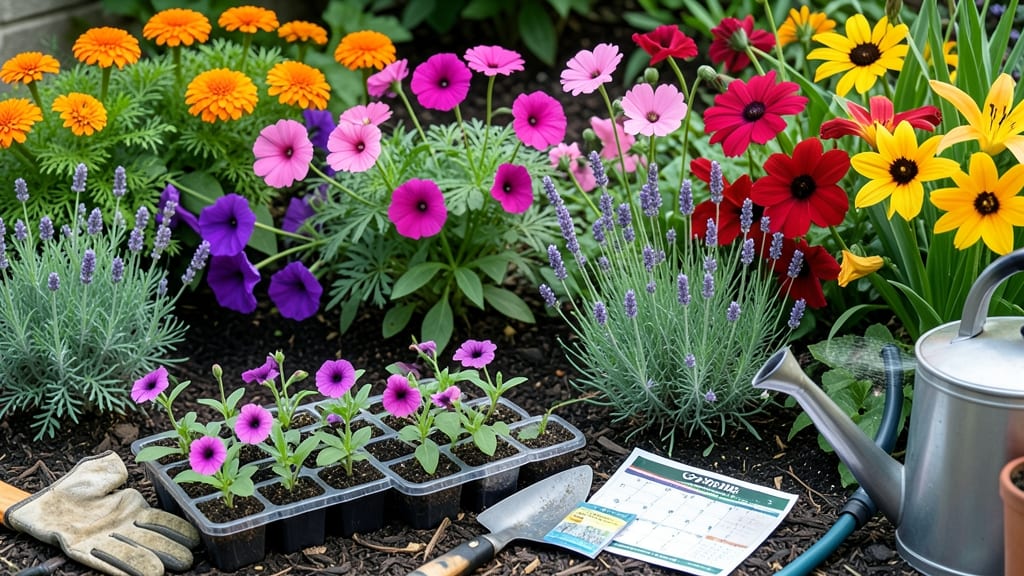
Knowing when to plant flowers in Zone 8 can transform your garden from a fleeting burst of color into a year-round masterpiece.
Unlike colder climates, Zone 8’s mild winters and long growing season give you two prime planting windows—spring and fall—but getting the details wrong can leave your blooms struggling or even dead before they show their faces.
Most gardeners in Zone 8 know the basics: wait until after the last frost in spring and plant cool-season flowers in fall. But what you might not realize is that soil temperature and regional microclimates play just as big a role as the calendar.
For example, coastal areas in Zone 8 can plant earlier than inland spots, and some flowers—like marigolds or lavender—thrive when sown directly in the ground, while others need a head start indoors.
In this guide, I’ll break down the exact month-by-month schedule for planting everything from spring bulbs to fall perennials, so you never miss a beat.
Whether you’re a beginner or a seasoned gardener, these tips will help you avoid common pitfalls like frost damage or stunted growth, ensuring your garden stays vibrant all year round.
Ready to turn your Zone 8 garden into a year-round showstopper? Let’s dive into the best times to plant, what to watch for, and how to keep your 🌸 flowers thriving—no matter the season.
Zone 8 spring flower planting schedule: avoid last-frost risks
Spring in Zone 8 is a gardener’s sweet spot—mild winters and warm soils give you a longer growing season than colder zones. But timing is critical: plant too early, and a late frost will kill tender seedlings; too late, and you miss peak bloom seasons.
The key is knowing your last frost date (typically March 15 in most of Zone 8) and adjusting for microclimates like coastal areas (warmer) or inland valleys (cooler).
For warm-season annuals like marigolds, petunias, and zinnias, wait until soil temps hit 60°F (15°C)—usually 2–4 weeks after your last frost.
Cool-season flowers like pansies or snapdragons, however, can handle cooler temps and even light frosts, so plant them 4–6 weeks before your last frost for early color.
🌱
Zone 8 Spring Flower Planting Summary
| Flower Type | Planting Window | Soil Temp Threshold | Notes |
|---|---|---|---|
| Warm-Season Annuals | After last frost (March 15–April 15) | 60°F (15°C) | Marigolds, Petunias, Zinnias |
| Cool-Season Annuals | 4–6 weeks before last frost (Feb 1–March 1) | 45–55°F (7–13°C) | Pansies, Snapdragons, Lettuce (edging) |
| Spring-Blooming Bulbs | Fall (Oct–Nov) or early spring (Feb) | 50°F (10°C) | Tulips, Daffodils, Hyacinths |
| Perennials | Early spring (Feb–March) or fall (Sept–Oct) | 50–60°F (10–15°C) | Lavender, Coneflowers, Black-Eyed Susans |
If you’re unsure about your last frost date, use a frost calendar for your specific city—coastal areas like San Diego may have frost-free dates as early as February 15, while inland areas like Phoenix might not see frost at all.
For extra protection, use row covers or plant heat-loving flowers like geraniums or salvias after April 1.
Pro tip: Test your soil temperature with a soil thermometer—warm-season flowers won’t germinate until the soil is consistently above 60°F (15°C). If your soil is still cold, opt for cool-season flowers or start seeds indoors under grow lights.
For container gardening, warm up pots by placing them on black plastic mulch or using heat mats to speed up germination. Containers also warm up faster than garden beds, so you can plant 2–3 weeks earlier than in-ground flowers.
Don’t forget to harden off seedlings if you started them indoors. Gradually expose them to outdoor conditions over 7–10 days before transplanting to avoid shock. Place them in a shady, sheltered spot for a few hours each day, increasing time and sun exposure slowly.
🌿
Once your flowers are in the ground, monitor for pests like aphids or disease signs like yellowing leaves. In Zone 8, spring rains can lead to fungal issues, so avoid overhead watering and water at the base of plants in the morning to let foliage dry quickly.
A light mulch layer (2–3 inches) will also help retain moisture and regulate soil temperature.
Finally, keep a planting journal to track what works in your microclimate. Note which flowers thrive in your specific location, when you planted them, and how they performed. Over time, you’ll refine your schedule to match your garden’s unique conditions—leading to longer bloom seasons and fewer disappointments.
Fall planting advantages in Zone 8: extend blooms with cooler-season flowers
Fall planting is my secret weapon for a longer bloom season in Zone 8. While spring planting gets all the attention, cooler-season flowers actually thrive when planted in autumn, giving you earlier blooms next year.
The key is timing—plant 6–8 weeks before your first frost (around October 1–November 1 in most of Zone 8) to let roots establish before winter.
Zone 8’s mild winters create perfect conditions for cool-season annuals and perennials like pansies, snapdragons, and asters. These plants grow slowly in fall but burst into color when spring arrives, often blooming months earlier than spring-planted varieties. Plus, they’re drought-tolerant once established, making them low-maintenance stars for your garden.
Don’t overlook bulbs like tulips and daffodils—planting them in fall gives them time to root before winter’s chill. In Zone 8, you can even plant some spring-blooming bulbs in December for early spring color. The soil stays workable longer than in colder zones, giving you more flexibility.
Here’s the golden rule: Cool-season flowers (pansies, violas, calendula) should go in September–October, while warm-season flowers (marigolds, zinnias) wait for spring planting. The contrast in bloom times creates a continuous color show from early spring to late fall.
✅ Fall Planting Pros
- Earlier blooms next spring (6–8 weeks ahead of spring planting)
- Less competition from weeds and pests in cooler months
- Milder soil temps make transplanting easier on roots
- Extended harvest for edible flowers (e.g., nasturtiums)
❌ Fall Planting Cons
- Limited variety—only cool-season flowers thrive
- Frost risk if planted too late (after first frost)
- Slower growth in winter (requires patience)
For Zone 8 gardeners, fall planting isn’t just a backup—it’s a strategic move to outsmart the climate. By planting pansies in September and tulip bulbs in November, you’ll have color from February onward.
Just remember: Water deeply after planting and mulch lightly to protect roots from temperature swings.
Pro tip: Use container gardening for fall-planted flowers like calendula or sweet alyssum. This lets you move them to sheltered spots if early frosts threaten. With the right timing, your Zone 8 garden can bloom year-round—even in winter’s quiet moments.