
Flowers
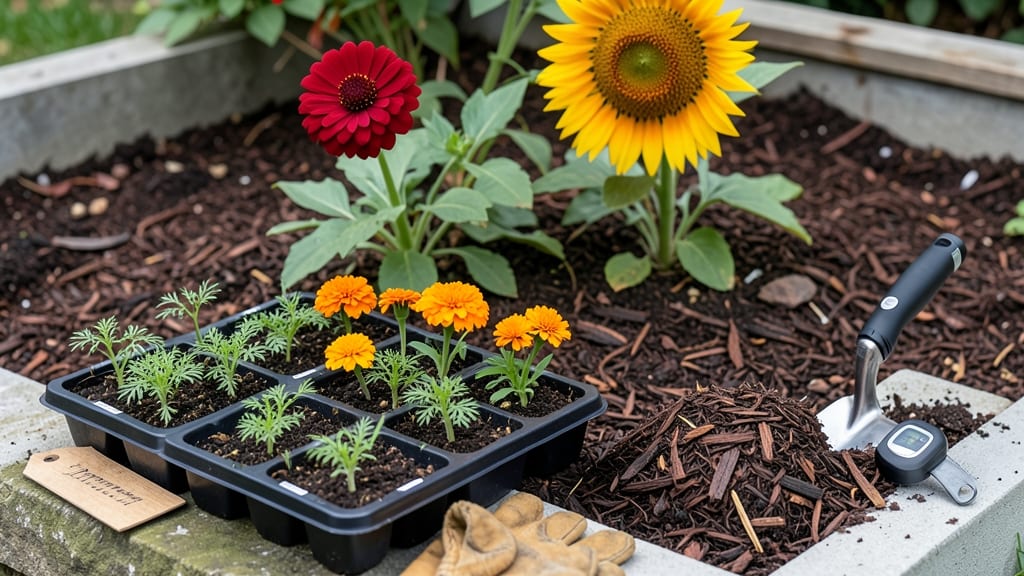
Planting your fall flowers 🌼 at the right time in Georgia isn't just about luck—it's the difference between a garden bursting with color and one that fades before winter.
With USDA zones 7b-8b offering a longer growing season, you've got a prime window to get it right, but timing still matters more than you think.
If you wait too late, your pansies and asters might not even bloom before the first frost hits around mid-November. But plant them too early, and you risk leggy, weak stems that flop under Georgia's humid summer heat.
The sweet spot? Starting in late summer—specifically, between August and early October—when soil temps are just right for root establishment.
I’ve helped Georgia gardeners avoid these common mistakes for years, and the secret isn’t complicated: it’s about knowing your county’s microclimate. Whether you’re in the cooler North Georgia mountains or the warmer South Georgia plains, the 4-6 week rule before frost is your best friend.
Let me show you exactly how to apply it—plus the exact flowers that thrive in your zone.
Ready to transform your yard into a fall spectacle? You’ll walk away with a county-specific planting schedule, soil prep tips, and even how to extend blooms into December. No more guessing—just vibrant, frost-proof flowers that steal the show.
Georgia county-specific planting deadlines for frost-free fall flowers
Georgia’s diverse climate means your fall flower planting deadline depends on whether you’re in North Georgia’s cooler zones (like Dahlonega or Blairsville) or South Georgia’s warmer stretches (like Savannah or Valdosta). The key?
Planting 4-6 weeks before your average first frost—typically mid-November in North Georgia and late November in South Georgia. Miss this window, and frost can turn your pansies or calendulas into sad, mushy messes.
For seeds, start 6-8 weeks before frost (late August in North Georgia, early September in South Georgia). Transplants get a later pass—4-6 weeks out—so you can tuck them in as late as mid-October in most regions. Atlanta Metro sits right in the middle, with a first frost around November 15, giving you a flexible window from late August to early October.
Here’s how to adjust for your USDA zone (Georgia spans 7b-8b):
- North Georgia (7b): Plant seeds by August 15, transplants by September 30.
- Atlanta Metro (8a): Plant seeds by September 1, transplants by October 15.
- South Georgia (8b): Plant seeds by September 15, transplants by October 31.
Pro tip: Check your local frost dates via the National Weather Service or University of Georgia Extension—they update yearly! A late frost in 2022 (like the one that hit Gainesville on October 20) can wreck unprotected plants, so monitor forecasts like a hawk.
Now, let’s break down your county-by-county deadlines with this quick-reference table:
Why the difference? North Georgia’s higher elevation cools faster, while South Georgia’s humidity delays frost. For example, Chattanooga (TN border) can see frost by November 1, but <
Best fall flowers for Georgia gardens (and how to extend their blooming season)
Georgia’s fall garden thrives with the right frost-tolerant flowers that bloom vibrantly until the first frost. My top picks balance color impact and cold hardiness, ensuring your garden stays lively through October and November. These varieties handle Georgia’s USDA zones 7b-8b while attracting pollinators and adding seasonal charm.
For instant color, pansies and violas are my go-to annuals—they tolerate light frosts (28°F) and come in cheerful hues. Plant them 6-8 weeks before frost (mid-September for most of Georgia) for blooms that last until December.
Pair them with calendulas, which resist powdery mildew and bloom until 32°F.
🌼
Cold-hardy annuals (28°F tolerance); plant September 15-October 15 for winter blooms. Pro tip: Deadhead weekly to extend blooming.
Edible petals (32°F tolerance); sow August-September for fall/winter color. Pro tip: Self-seeds easily—let some flower heads dry for next year.
Tall spikes (25°F tolerance); transplant September-October. Pro tip: Stake taller varieties to prevent flopping in rain.
Late-season pollinator magnet (20°F tolerance); plant August-September for November blooms. Pro tip: Cut back in early spring to encourage new growth.
Early bloomers (10°F tolerance); plant October-November for January-February color. Pro tip: Plant bulbs in full sun for best results.
Cold-hardy foliage (15°F tolerance); sow August-September. Pro tip: Harvest leaves for salads or use as edging.
To push blooms into early winter, mulch with 3-4 inches of straw after planting. This insulates roots and delays frost damage by 2-3 weeks.
For long-lasting blooms, combine perennials like asters (which return yearly) with annuals like snapdragons for height and texture. My secret weapon? Succession planting—sow new calendula seeds every 2 weeks in September to ensure continuous color.
Even in North Georgia’s cooler microclimates, this strategy keeps your garden vibrant until the first hard frost.
Don’t forget container gardening! Pansies and violas thrive in pots on patios or balconies, where you can move them to protected spots before frost. Use well-draining soil and fertilize lightly every 4 weeks to keep them blooming.
With these frost-resistant stars, your Georgia garden will stay a living masterpiece well into winter.
🌿