
Plants
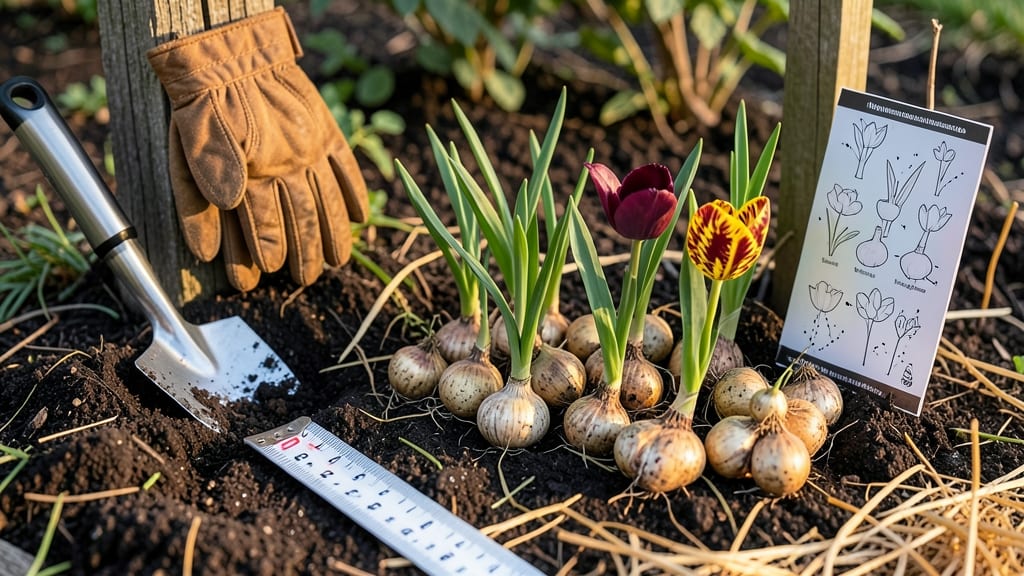
Planting your tulip bulbs in the ground 🌷 at the wrong time could mean waiting years—or never seeing those vibrant blooms. The key to reliable tulips isn’t just about digging a hole; it’s about understanding your climate’s chill-hour needs and the perfect fall window.
If you’re in USDA Zone 6a like me, October through November is your sweet spot—6-8 weeks before the ground freezes. But timing shifts north or south, so I’ll show you exactly how to match your location to the ideal planting schedule for your favorite varieties.
Why does timing matter so much? Tulips need a cool dormancy period to trigger blooms, and planting too early or late can disrupt that process. I’ll break down the science behind chill-hours and how to pick the right varieties for your zone.
Ready to set your garden up for next spring’s showstopping blooms? Let’s dive into the exact steps—from soil prep to depth—that’ll give your tulips the best start possible.
Best planting times for tulip bulbs by climate Zone
Timing is everything when it comes to planting tulip bulbs. Unlike many plants, tulips need a cold dormancy period to trigger blooming. That means planting them too early or too late can leave you with flops instead of flowers.
The general rule? Aim for 6-8 weeks before the first hard frost in your area.
But here's the catch: your exact planting window depends on where you live. Northern gardeners typically plant in October or early November, while Southern gardeners might still be planting in December or even January.
Let's break down the ideal planting times by USDA hardiness zones so you can get those bulbs in the ground at the perfect moment.
| Zone | Ideal Planting Window | Key Consideration |
|---|---|---|
| Zones 3-5 | Mid-September to mid-October | Soil temps should be below 60°F for 4-6 weeks |
| Zones 6-7 | October to early November | Plant when daytime temps drop below 70°F |
| Zones 8-9 | November to December | Southern climates need winter chill—plant before holidays |
| Zone 10+ | December to January | Use cool-season varieties or refrigerate bulbs first |
For most gardeners in the Northern US, that means getting those bulbs in the ground by mid-October. If you're in the South, don't wait until spring—plant in December while temperatures are cooler.
The key is ensuring the bulbs experience consistent cold temperatures (below 50°F) for at least 12-16 weeks before blooming season.
Pro tip: Check your local average first frost date and count backward. If you're unsure, err on the earlier side—tulip bulbs can handle cooler soil better than they can handle warm soil before winter.
For example, in Zone 5, where I garden, I always plant by October 15th to guarantee those chill hours.
What about late plantings? If you miss the window, don't panic. You can still plant tulip bulbs in early winter, but you'll likely see fewer blooms that first year.
The bulbs will still establish themselves, but they may need an extra year of dormancy to build up enough energy for a full spring display.
One common mistake I see is gardeners waiting until spring to plant tulips. This is a big no-no! Tulips planted in spring won't get the necessary cold stratification and may produce weak stems or no flowers at all.
Think of it like sending your bulbs to winter camp—they need that cold exposure to come back stronger in spring.
For container gardeners, the rules are slightly different. Plant potted tulips in fall just like in-ground bulbs, but move containers to a garage or unheated shed during winter if temperatures drop below 20°F. This mimics the natural cold period while protecting your bulbs from extreme freezes.
Remember, the soil temperature, not the air temperature, is what matters most. Use a soil thermometer if you're unsure—ideal planting conditions occur when soil temps are between 40-50°F. This ensures your bulbs get the perfect cold shock without freezing solid.
Finally, mark your calendar! If you're new to tulip growing, set a reminder for 6-8 weeks before your first frost. That's your planting deadline. And if you're in a warmer microclimate (like near a heat-retaining wall), plant on the earlier side of the window to compensate.
How chill-hours affect tulip variety success rates
Not all tulip varieties bloom reliably in every climate—and the reason often comes down to chill-hours. These are the number of hours below 40°F (4°C) that bulbs need to trigger flowering.
Planting in the wrong zone without matching varieties to your chill-hours can leave you staring at green leaves but no blooms. For example, Darwin hybrid tulips thrive with 1,000-1,500 chill-hours, while species tulips may need as few as 500-800 hours.
Let’s break down how to match your location to the right varieties.
Your USDA zone determines your natural chill-hour range. In Zone 3-5, you’ll typically get 1,200-1,800 chill-hours, perfect for most hybrid tulips.
But in Zone 6-7, where chill-hours drop to 800-1,200, you’ll want to focus on species tulips or Frans Hals varieties, which bloom with fewer cold hours.
Even in Zone 8-9, where winters are mild (400-800 chill-hours), you can still grow tulips by choosing early-blooming varieties or using artificial chilling techniques.
Here’s how to check your chill-hours: Use a weather station app or local climate data to track hours below 40°F during winter. If you’re unsure, start with Darwin hybrids (they’re the most forgiving) or consult your local cooperative extension office for zone-specific recommendations.
Remember, bulbs planted too early in warm climates may sprout prematurely and rot, while those planted too late might not get enough cold exposure to bloom.
🌷
If you live in a warmer climate (Zone 8+), you can still grow tulips by using artificial chilling. Store bulbs in a paper bag in your fridge (not the crisper drawer) for 8-12 weeks before planting.
This mimics winter conditions and helps trigger blooming. Just be sure to plant them 6-8 weeks before your first frost to give roots time to establish before winter sets in.
For Northern gardeners (Zone 3-5), focus on late-season bloomers like Kaufmanniana or Fosteriana tulips, which handle extreme cold and still deliver stunning flowers. These varieties often bloom 2-3 weeks later than hybrids, giving you a longer display.
Pro tip: Plant multiple varieties with staggered bloom times to extend your tulip season from early April to late May.
🌿