
Flowers
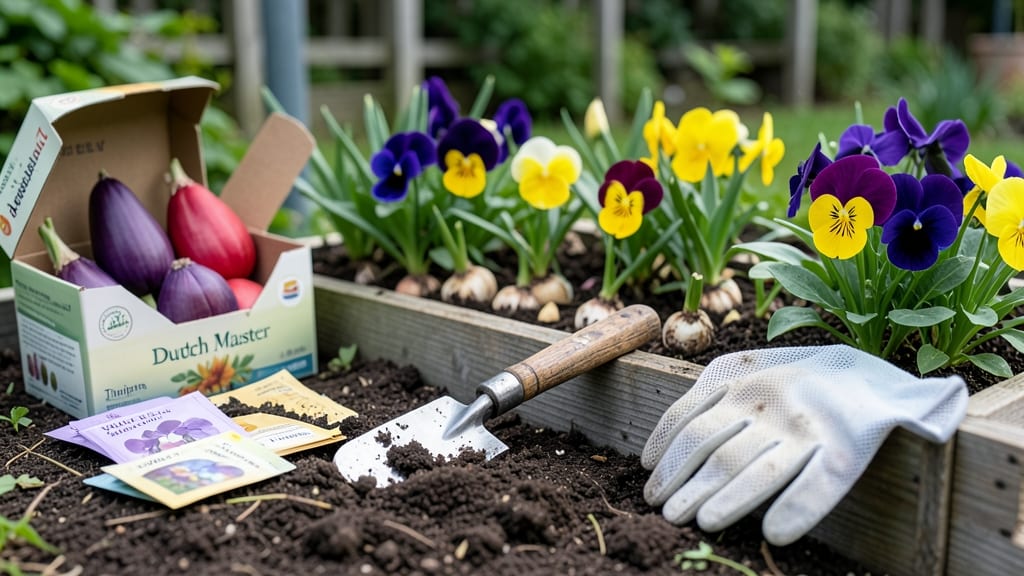
Timing your flower planting just right in Zone 5 could mean the difference between a garden bursting with 🌸 and one that struggles to take root.
The last frost typically arrives around mid-May, but knowing exactly when to get those seeds in the ground—whether you're planting annuals, perennials, or bulbs—is the secret to vibrant blooms all season long.
If you've ever watched your flowers wilt after a surprise frost or wondered why some varieties thrive while others don't, you're not alone. The key lies in understanding your specific microclimate and adjusting your planting schedule accordingly.
From cool-season favorites like pansies to heat-loving zinnias, each flower has its own ideal window for success.
In this guide, I’ll break down the exact weeks before your last frost to plant, so you can avoid common mistakes and maximize your garden’s potential. Whether you're a seasoned gardener or just starting out, these tips will help you plan with confidence—no more guesswork, just reliable blooms.
Ready to transform your garden? Let’s dive into the precise timing and strategies that will set you up for a showstopping season, no matter what Zone 5 throws your way.
Zone 5 last frost dates: exact weeks before planting annuals and perennials
Understanding your Zone 5 last frost date is the first step to successful flower planting. In this region, frost typically lingers until mid-May, but exact dates vary by Zone 5a/b and microclimates.
For example, Chicago averages May 15, while Boston may see frost until May 25. These differences mean your planting window could shift by 2-3 weeks depending on location.
To plan ahead, count 2-4 weeks before the last frost for cool-season flowers like pansies or snapdragons. Warm-season favorites such as petunias or marigolds need to wait until 2 weeks after the last frost.
This timing ensures roots establish before summer heat arrives. Always check your local USDA Zone 5a/b for precision.
Microclimates—like south-facing slopes or urban heat islands—can push last frost dates 1-2 weeks earlier. Use a frost calendar or local gardening groups to refine your schedule. For example, gardens near large bodies of water may experience later frosts due to cooler air.
Pro tip: Start cool-season flowers indoors 6-8 weeks before your last frost date. This head start gives seedlings a competitive edge once transplanted. Warm-season flowers can begin indoors 4-6 weeks before the last frost, but harden them off carefully before moving outside.
| Plant Type | Zone 5a Last Frost | Zone 5b Last Frost | Weeks Before Planting |
|---|---|---|---|
| Cool-Season Annuals (Pansies, Snapdragons) | May 5–10 | April 25–May 5 | 2–4 weeks before |
| Warm-Season Annuals (Petunias, Marigolds) | May 5–10 | April 25–May 5 | 2 weeks after |
| Perennials (Coneflowers, Black-Eyed Susans) | May 5–10 | April 25–May 5 | 1–2 weeks before |
| Bulbs (Tulips, Daffodils) | October 1–15 (Fall Planting) | October 15–30 (Fall Planting) | 6–8 weeks before first frost |
For Zone 5a gardeners, who face colder winters, prioritize hardy perennials like aster or chrysanthemum. These thrive even with a later last frost and offer fall color when temperatures drop.
In contrast, Zone 5b gardeners can experiment with slightly tender perennials like lavender or Russian sage, which may survive mild winters.
Always monitor weather forecasts in the weeks leading up to your planting window. A late frost warning might delay planting by 1-2 weeks, so have a backup plan.
For example, if frost is predicted 3 days after your planned planting date, opt for container gardening or use row covers to protect young plants.
Test your soil 4-6 weeks before planting to ensure it’s ready. Zone 5 soils often benefit from compost or aged manure to improve drainage and fertility.
Aim for a pH of 6.0–7.0 for most flowers, adjusting with lime or sulfur as needed. Well-prepared soil helps flowers establish 2-3 weeks faster after transplanting.
Remember, fall planting is just as critical as spring. Many perennials and bulbs should be planted in September or early October to establish roots before winter. This timing ensures vibrant blooms the following spring, even in Zone 5’s unpredictable climate.
Use a gardening journal to track your last frost dates over 3-
Best flowers to plant in Zone 5 by season: timing for peak blooms
Zone 5 gardeners have a golden window for planting flowers that thrive in both cool springs and mild summers. The key is matching flower types with their ideal planting time frames—whether you're sowing seeds or transplanting seedlings.
For example, cool-season annuals like pansies can handle early spring planting, while heat-loving zinnias need to wait until after last frost.
Timing isn't just about the calendar—it's about soil temperatures, daylight hours, and local microclimates. In Zone 5a (colder), aim for 4-6 weeks before last frost for hardy varieties, while Zone 5b (warmer) can push planting 2 weeks later.
Always check your local frost dates—they can vary by 10-14 days even within the same zone.
🌸 Top 5 Flowers for Zone 5 by Season
- 1. Snapdragons – Plant 4-6 weeks before last frost (March-April) for spring blooms. Cold-hardy to 25°F.
- 2. Black-Eyed Susans – Transplant after last frost (May) for summer-long color. Drought-tolerant once established.
- 3. Marigolds – Sow after soil warms (60°F+) (late May-early June). Repels pests naturally.
- 4. Asters – Plant early spring (March) or late summer (August) for fall blooms. Thrives in heat.
- 5. Tulips – Plant bulbs in fall (October) for spring blooms. Chill-requiring for best results.
For perennials, timing matters just as much. Coneflowers and bee balm can handle early spring planting, while dahlias need to wait until after Memorial Day to avoid frost damage. Pro tip: Divide perennials in early spring (March-April) to revitalize growth before the rush of blooms.
Don't overlook fall planting—it's a secret weapon for Zone 5 gardeners. Pansies, snapdragons, and calendulas planted in August-September will bloom until frost. These cool-season champions thrive in 50-60°F soil and shorter daylight, making them perfect for late-season gardens.
If you're starting seeds indoors, begin 6-8 weeks before last frost (February-March) for warm-season flowers like petunias and geraniums. Use grow lights to supplement weak winter sun—your seedlings will thank you with sturdy, healthy stems ready for transplanting.
Remember: Zone 5's short growing season demands strategic choices. Prioritize fast-growing annuals and hardy perennials to maximize your bloom time. With the right timing, you can enjoy color from spring to frost—no wasted effort here! 🌿