
Flowers
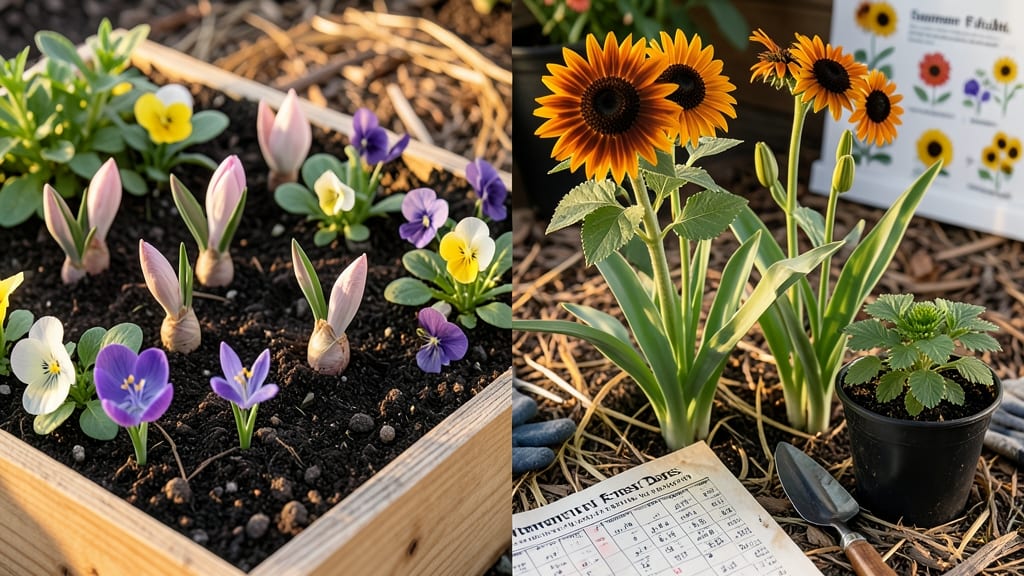
Timing when to plant flowers in Vermont isn’t just about the calendar—it’s about matching chill hours to your garden’s rhythm. With USDA zones 3-4 and unpredictable frost dates, getting the window right means the difference between vibrant blooms and wilted disappointment.
I’ve seen firsthand how a two-week shift in planting can turn a struggling garden into a showstopper. Whether you’re tucking in hardy perennials in early spring or sowing annuals after the last frost, Vermont’s short growing season demands precision.
Let’s break down the exact months to plant for reliable blooms, from cool-season favorites to heat-loving annuals.
You don’t need a green thumb—just the right timing. We’ll cover when to start seeds indoors, when to transplant tender flowers, and how to adjust for Vermont’s microclimates. By the end, you’ll have a foolproof checklist to turn your garden into a year-round spectacle.
Ready to stop guessing and start growing? Let’s dive into the science-backed windows that’ll have your flowers thriving from May through October.
Vermont’s frost dates and chill-hour zones for flower planting
Vermont’s USDA zones 4-6 and chill-hour requirements determine when flowers thrive. Unlike warmer climates, Vermont’s late spring frosts (often until May 15-25) and early fall frosts (as soon as September 15) demand precise timing. Perennials and bulbs rely on chill hours (300-1,000+), while annuals need frost-free soil.
For annual flowers, wait until after the last frost—typically late May to early June—when soil reaches 55°F+. Cool-season annuals like pansies can handle light frosts and should plant in early spring (April) or fall (September).
Meanwhile, perennials planted in spring or early fall establish roots before winter.
Vermont’s microclimates vary drastically: valleys like Burlington (Zone 5) warm faster than Stowe (Zone 4). Use frost-free date averages as guidelines but always monitor local forecasts. Hardy perennials like coneflowers and black-eyed Susans tolerate Zone 3-4, while tender annuals like impatiens need Zone 5+ protection.
Bulbs like tulips and daffodils should plant in fall (October-November) to meet their chill-hour needs. Spring-blooming bulbs need 6-8 weeks of cold, while fall-planted bulbs (like crocuses) emerge early. Summer-blooming bulbs (dahlias) wait until after last frost.
| Plant Type | Best Planting Window | Chill-Hour Needs | Vermont Zone Fit |
|---|---|---|---|
| Annuals (cool-season) | April–May or Sept–Oct | 0–300 hours | Zones 4–6 |
| Annuals (warm-season) | After May 25 (soil 60°F+) | 0 hours | Zones 5–6 |
| Perennials | Spring (May) or Fall (Sept) | 300–1,000+ hours | Zones 3–6 |
| Spring Bulbs | Fall (Oct–Nov) | 600–1,000+ hours | Zones 3–5 |
| Summer Bulbs | After May 25 | 0–300 hours | Zones 4–6 |
Use Vermont’s frost dates as your anchor: last frost (May 10–25) signals safe planting for warm-season annuals, while first frost (Sept 15–Oct 15) dictates when to plant fall crops. Extend your season with row covers or cold frames for tender flowers like geraniums.
For container gardening, move pots indoors or to sheltered spots before 28°F frosts. Native Vermont flowers like columbine and bee balm thrive with minimal fuss, while exotics (like dahlias) need seasonal adjustments. Always test soil drainage—Vermont’s clay-heavy soils can drown roots.
Pro tip: Mark your calendar for May 15 (safe for most annuals) and September 1 (last call for fall plantings). Hardy perennials planted in early fall establish deeper roots before winter. Bulbs planted too late may not bloom—aim for 6 weeks before ground freezes.
Vermont’s short growing season (120–150 days) means fast-growing annuals (marigolds, zinnias) outperform slow starters. Succession planting every 2–3 weeks ensures continuous blooms. Mulch heavily in fall to protect roots from freeze-thaw cycles.
If you’re unsure, start seeds indoors (8–10 weeks before last frost) for warm-season flowers. Transplant outdoors after hardening off. Cold-hardy seedlings (like kale or snapdragons) can go in early spring under protection.
Best flowers to plant by Vermont season: a month-by-month guide
Vermont’s short growing season means every week counts when planting flowers. I’ve planted everything from hardy perennials to heat-loving annuals here, and the difference between a thriving garden and a struggling one often comes down to timing.
Let’s break down the best flowers to plant each month, from early spring to late summer.
For cool-season flowers, start planting as soon as the soil is workable—typically mid-April in southern Vermont and late May in the northern mountains. These include pansies, violas, and snapdragons, which tolerate light frosts and even bloom in fall if planted early.
Warm-season flowers like petunias, marigolds, and geraniums need to wait until after the last frost, usually May 10–25, depending on your location. These thrive in Vermont’s summer heat and will reward you with vibrant blooms through September or October.
Here’s your month-by-month planting guide to maximize blooms in Vermont’s climate:
Don’t overlook fall planting—it’s a Vermont gardener’s secret weapon. Many flowers, like chrysanthemums and asters, thrive when planted in early fall. They establish roots before winter and burst into color the following spring or late summer.
Pro tip: Use row covers or cold frames to extend your planting season by 2–4 weeks in early spring or late fall. I’ve seen marigolds and pansies bloom well into November with just a little protection!
With this month-by-month guide, you’ll avoid the common mistakes of planting too early or too late. Vermont’s climate rewards those who pay attention to the details—so grab your gloves, mark your calendar, and get planting!