
Flowers
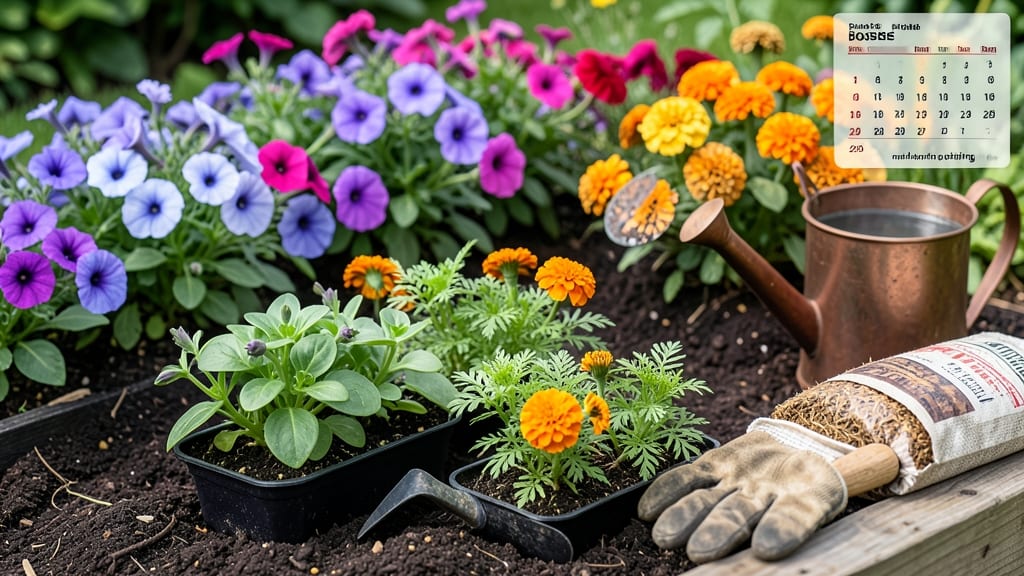
When to plant flowers in Boise, Idaho, can make all the difference between a garden bursting with color and one that struggles to take root. With last frost dates around April 15 and unpredictable microclimates, knowing when to plant isn’t just helpful—it’s essential for those vibrant blooms you’ve been dreaming of.
I’ve spent years watching Boise’s gardens transform, and the key to success lies in understanding your specific zone and microclimate. Whether you’re in the urban heat island of downtown or the cooler Foothills, planting too early or too late can leave your flowers wilting before they even bloom.
In this guide, I’ll break down the best months to plant annuals, perennials, and bulbs, so you can enjoy a garden that thrives from spring through fall. From drought-resistant lavender to late-summer petunias, we’ll cover what works—and when—to keep your garden looking its best.
Ready to turn your garden into a showstopper? Let’s dive into the perfect planting schedule for Boise’s unique climate, so you can enjoy those blooms all season long.
Boise’s best flower planting months by Hardiness Zones (5B-7A)
Boise’s USDA Hardiness Zones 5B-7A create a unique challenge for gardeners, where last frost dates can vary by weeks between neighborhoods. Most years, the average last frost falls around April 15, but microclimates—like the Foothills or urban heat islands—can push this date earlier or later.
For annual flowers, this means waiting until early May in cooler pockets, while perennials and bulbs can often go in as early as March once the ground thaws.
Timing isn’t just about frost—soil temperature matters too. Most flower seeds need soil at 50°F+ to germinate, while transplants can handle slightly cooler conditions.
In Boise, this usually aligns with late April to early May, but heat-loving annuals like marigolds or zinnias can start indoors in March for an earlier display.
Fall planting is equally critical, especially for cool-season bloomers like pansies or snapdragons.
Aim to plant these 6-8 weeks before the first frost (typically late August to early September), giving roots time to establish before winter. Bulbs like tulips should go in even earlier—September to October—to naturalize and bloom reliably the next spring.
Here’s how Boise’s microclimates shift planting windows, even within the same zone:
For Boise’s urban gardens, where pavement absorbs heat, spring planting can start 2–3 weeks earlier than rural areas.
Test soil temperature with a soil thermometer—if it’s below 50°F, wait a week or two. Raised beds warm up faster than in-ground soil, making them ideal for early spring transplants like calendulas or nasturtiums.
Don’t overlook fall planting for perennials. Many drought-tolerant varieties, like Russian sage or catmint, establish deeper roots when planted in September, giving them a head start for next year’s blooms. Mulch heavily (3–4 inches) to insulate roots during Boise’s wild temperature swings in late fall.
Pro tip: Use row covers or cloche tunnels to extend Boise’s growing season by 3–4
How Boise’s microclimates affect flower planting timing
Boise’s diverse microclimates can shift planting success by 3-4 weeks, depending on where you live. Downtown’s urban heat island effect warms soil faster than the Foothills, while higher elevations near Meridian experience later frosts.
These variations mean your neighbor’s late-April planting might be too early for your yard—and vice versa.
Sun exposure plays a critical role too. A south-facing garden in Boise’s Zone 6B warms up 2-3 weeks earlier than a north-facing spot. This difference can determine whether your petunias or marigolds survive early spring planting. Even a 10-foot elevation change can delay frost by 5-7 days.
Soil temperature is another game-changer. Most flowers need soil at 50°F+ to germinate. In Boise, downtown soils hit this mark by mid-April, while rural areas may wait until late April or early May. Use a soil thermometer to check before planting—it’s the only way to avoid disappointment.
Adjust your planting schedule by 1-2 weeks if you’re in a cooler microclimate. For example, tulip bulbs planted in October in downtown Boise might rot if planted the same month in the Foothills. Instead, wait until November for higher elevations.
Elevation also affects fall planting. While downtown gardens can still plant pansies in September, Foothills gardeners should wait until October to avoid frost damage. Always check the 10-day forecast before planting—Boise’s weather can shift faster than you think.
Pro tip: Observe your yard’s microclimate patterns for 2-3 years. Note when dandelions bloom (a natural indicator) or when your lawn greens up in spring. These clues will help you fine-tune planting times like a Boise gardening pro. 🌿