
Flowers
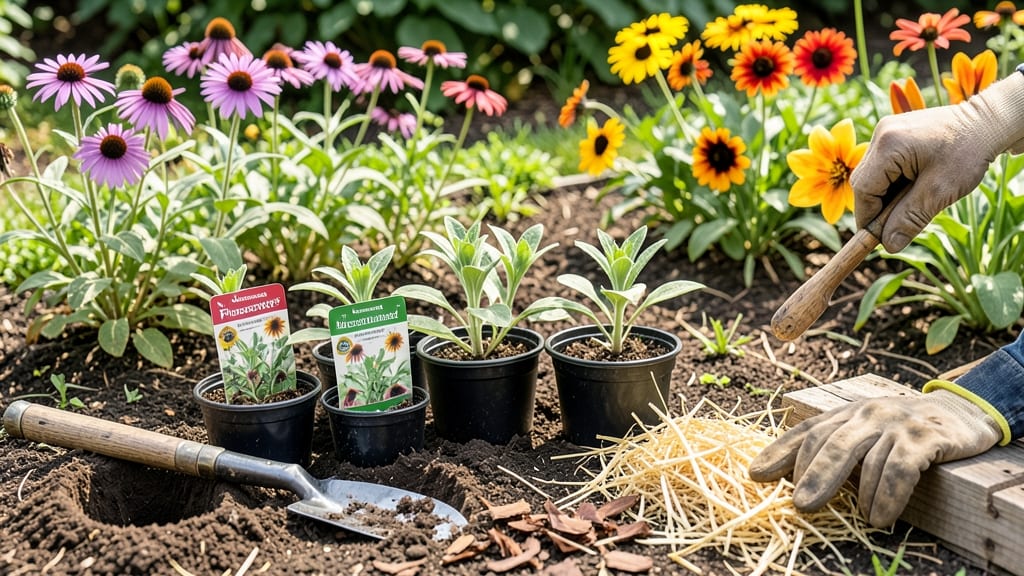
Timing your flower planting in Nebraska isn’t just about following a calendar—it’s about beating the unpredictable spring frosts that can turn vibrant 🌸 blooms into sad, wilted memories before they even start.
With USDA Zone 5b’s short growing season, planting too early or too late means missing the sweet spot between frost and scorching summer heat.
I’ve spent years watching gardens in Nebraska thrive (and fail) based on planting windows, and the key isn’t guessing—it’s knowing exactly when to tuck annuals, perennials, and bulbs into the soil for maximum impact.
Whether you’re a first-time gardener or a seasoned green thumb, getting these deadlines right transforms your yard from "meh" to "wow."
In this guide, I’ll break down the perfect planting schedule for Nebraska’s climate, including when to start seeds indoors, when to transplant tender flowers after the last frost, and how to stretch your blooms into fall. No more second-guessing—just lush, long-lasting flowers that make your neighbors jealous.
Ready to turn your Nebraska garden into a year-round showstopper? Let’s dive into the exact dates and strategies that work—no matter how wild the weather gets.
Nebraska flower planting calendar: exact dates by flower type for Zone 5b
Nebraska’s USDA Zone 5b means your flower planting timeline hinges on last frost dates and soil temperatures. Most regions see their average last frost between April 15–May 1, but microclimates near rivers or hills can delay frost by 1–2 weeks.
For Omaha, aim for mid-April for early bloomers, while Lincoln gardeners should wait until late April to avoid frost damage.
Your planting strategy should divide flowers into three categories: cool-season annuals (like pansies), warm-season annuals (like marigolds), and perennials/bulbs. Each has its own ideal window to maximize blooms before Nebraska’s first frost in mid-October.
Let’s break down the exact dates for each type to ensure your garden thrives all season.
🌱
| Flower Type | Spring Planting Window | Fall Planting Window | Key Notes |
|---|---|---|---|
| Cool-Season Annuals (Pansies, Snapdragons, Sweet Alyssum) | Early April–Mid-May | Late August–Early September | Tolerate light frost; plant 4–6 weeks before last frost for fall blooms. |
| Warm-Season Annuals (Marigolds, Petunias, Zinnias) | Mid-May–Early June (after last frost) | Not recommended (too short a season) | Start indoors in March or use frost cloth for early planting. |
| Perennials (Coneflowers, Black-Eyed Susans, Daylilies) | Early April–Mid-May | Late August–Mid-September | Fall planting gives roots time to establish before winter. |
| Spring-Blooming Bulbs (Tulips, Daffodils, Hyacinths) | September–October (fall planting) | N/A | Plant bulbs 6–8 weeks before ground freezes for spring blooms. |
| Fall-Blooming Bulbs (Chrysanthemums, Asters, Crocosmia) | Early April–Mid-May | Late August–Early September | Choose varieties with long bloom cycles for extended color. |
For annual flowers, timing is critical. Cool-season varieties like pansies and snapdragons can handle Nebraska’s late spring frosts if planted in early April. These hardy bloomers will reward you with early spring color and often rebloom in fall if deadheaded regularly.
Meanwhile, warm-season annuals like marigolds and petunias need to wait until after the last frost, typically mid-May in most of the state.
If you’re growing perennials, fall planting is a game-changer. Many, like coneflowers and black-eyed Susans, establish deeper roots when planted in late August or September. This gives them a head start in spring, resulting in larger blooms and stronger stems.
For bulbs, the rule is simple: plant spring-blooming bulbs in fall (September–October) and fall-blooming bulbs in spring (April–May). This ensures they sync with Nebraska’s seasonal cues.
Pro tip: Use frost dates from the Nebraska Statewide Arboretum to fine-tune your schedule. Their data shows that Omaha’s last frost averages April 22, while Lincoln’s is May 1.
Adjust your planting by 1–2 weeks based on your microclimate. For example, elevated areas or northern Nebraska may experience frost until May 10, so delay warm-season plantings accordingly.
Don’t overlook container gardening for extended seasons. Potted flowers warm up faster in spring and can be moved to protected spots during late frosts. Start petunias and geraniums indoors in March for early blooms, then transplant them outside after Memorial Day.
This strategy adds 4–6 weeks of bloom time compared to direct sowing.
For bulbs, focus on tulips and daffodils for early spring color. Plant them in September or early October when soil temperatures drop below 60°F. These bulbs need 6–8 weeks of chilling to bloom, so timing is everything.
In contrast, fall-blooming bulbs like chrysanthemums should go in the ground in April or May to establish roots before their late-summer to fall bloom period.
Remember: Nebraska’s short growing season demands efficiency. Prioritize fast-blooming annuals like cosmos and zinnias if you want color from June through September. These varieties thrive in Zone 5b’s heat and drought-like conditions, making them ideal for Nebraska’s unpredictable summers.
Pair them with perennials like bee balm for continuous blooms from early summer to frost.
🌻
How to adjust your planting schedule for Nebraska’s unpredictable weather
Nebraska’s late spring frosts and sudden heatwaves can throw off even the most careful gardeners. I’ve learned the hard way that planting too early risks frost damage, while waiting too long cuts your bloom time short.
The key is flexibility—knowing how to extend your season and protect tender plants when Mother Nature throws curveballs.
Start by tracking your local last frost dates. Omaha’s average is April 15, but Lincoln often sees frost until May 1. For extra safety, use frost cloth or wait until May 10 for heat-loving annuals like petunias and marigolds.
These simple adjustments can save your $50+ investments in young plants.
🚨 CALLOUT WARNING ELEMENT 🚨
Nebraska’s unpredictable late frosts can kill tender seedlings overnight. If your nighttime temps drop below 32°F after planting, cover young annuals with frost cloth or a lightweight row cover. Remove it by 10 AM to prevent overheating.
✅ Pro Tip: Test soil temps with a soil thermometer—wait until it hits 50°F+ for warm-season flowers.
For fall planting, aim for late August to early September to give roots time to establish before winter. Mums and aster flowers thrive when planted by September 1, but if temps stay warm, delay until mid-September.
Use mulch (2–3 inches) to insulate roots and retain moisture during Nebraska’s dry autumns.
Drought is another Nebraska challenge. Drought-tolerant annuals like lantana and zinnia handle heat better than impatiens, which wilt in 90°F+ temps. Group plants with similar water needs together to simplify care. For example, lavender and Russian sage need minimal watering, while begonias require daily moisture in containers.
If a heatwave hits after planting, shade young plants with shade cloth (30–50%) until they acclimate. For container gardens, move pots to partial shade during peak afternoon sun. This trick saved my geraniums last summer when temps hit 102°F—they rebloomed within weeks once back in full sun.
Finally, keep a backup planting plan. If spring frosts delay your schedule, start fast-growing annuals like bachelor’s buttons or cosmos indoors 4–6 weeks early. Or swap out frost-sensitive plants for cold-hardy alternatives like pansies or snapdragons, which bloom even in 40°F temps.