
Plants
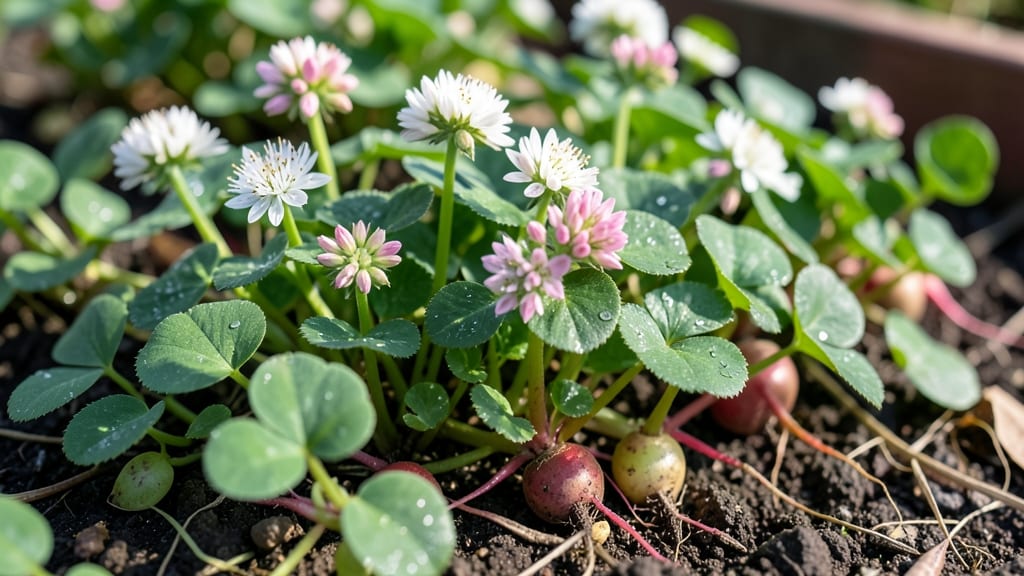
Planting food plots for deer 🦌 at the wrong time in Louisiana’s sweltering summers or unpredictable winters can mean wasted effort—or worse, a field that deer ignore entirely.
The key isn’t just when you plant, but how you sync those deadlines with Louisiana’s heat zones, where a single week can shift from ideal to disastrous.
If you’ve ever watched deer pass by your freshly planted clover or brassicas, only to return to overgrazed neighbors’ plots, you know timing matters more than seed choice.
Louisiana’s 8a-9a climate demands precision: late summer to early fall (August–October) or early spring (February–March) are your golden windows—but even then, coastal humidity and upland heat play tricks on growth.
I’ve spent years fine-tuning these deadlines to match deer behavior, from their spring rut feeding frenzy to fall’s peak browsing. The right mix of soil prep, crop selection, and planting dates turns your field into a year-round buffet.
Let’s break down the exact schedule that works for Louisiana’s varied regions—and why missing these windows could leave your herd hungry.
Ready to turn your property into a deer magnet? The first step is knowing your heat zone’s critical deadlines—and avoiding the 3 mistakes that sink even the best-intentioned plots. Stick around, and I’ll show you how to nail it every time.
Louisiana heat zone planting deadlines for food plots
Louisiana’s humid subtropical climate creates three distinct heat zones—North, Central, and South—each with unique deadlines for planting deer food plots. Missing these windows can leave your plots struggling in extreme heat or failing to establish before winter.
Let’s break down the exact planting months for your region to ensure year-round deer activity.
In North Louisiana (USDA Zones 7b-8a), cooler temperatures extend the growing season slightly, allowing for earlier spring plantings and later fall plantings than southern regions. Meanwhile, South Louisiana (Zones 8b-9a) demands faster action—heat and humidity can stress young seedlings in just 2-3 weeks if planted too late.
Central Louisiana sits in between, offering a flexible 6-week window for ideal planting.
For all regions, late summer to early fall (August-October) is the golden window for planting warm-season mixes like sorghum-sudangrass and clover.
These crops establish roots before winter and provide early spring forage when deer are hungry after harsh conditions. Cool-season mixes, such as winter rye and peas, should go in early spring (February-March) to avoid frost damage.
Timing isn’t just about months—it’s about soil temperatures. In Louisiana, soil should be at least 60°F (15°C) for warm-season seeds and 50°F (10°C) for cool-season seeds. Use a soil thermometer to confirm readiness, especially in South Louisiana, where soil heats up faster.
Here’s the critical timeline for each zone, including crop-specific deadlines to maximize deer impact:
| Heat Zone | Crop Type | Ideal Planting Window | Last Chance Deadline | Deer Browsing Peak | ||||||||||||
|---|---|---|---|---|---|---|---|---|---|---|---|---|---|---|---|---|
| North Louisiana | Warm-Season Mixes (Clover, Brassicas) | August 15 – September 30 | October 15 | October – December | ||||||||||||
| North Louisiana | Cool-Season Mixes (Winter Rye, Peas) | February 1 – March 15 | March 31 | November – April | ||||||||||||
| Central Louisiana | Warm-Season Mixes (Sorghum-Sudangrass, Millet) | August 1 – September 15 | September 30 | September – December | ||||||||||||
| Central Louisiana | Cool-Season Mixes (Crimson Clover, Winter Wheat) | February 15 – March 10 | March 20 | October – March | ||||||||||||
| South Louisiana | Warm-Season Mixes (Chicory, Sunflowers) | July 15 – August 31 | September 15 |
Louisiana heat zone planting deadlines for food plotsLouisiana’s climate varies dramatically from north to south, creating three distinct heat zones that dictate the best times to plant food plots. In North Louisiana (Zone 8a), cooler temperatures allow for earlier spring plantings, while South Louisiana (Zone 9a) demands later summer plantings to avoid extreme heat. Central regions fall in between, offering flexibility for both cool- and warm-season crops. Timing is critical because deer browsing peaks differ by season. Planting clover and brassicas in early spring (February-March) ensures lush growth when deer are actively feeding after winter. Conversely, warm-season mixes like sorghum-sudangrass should be planted in late summer (August-September) to thrive during fall hunting seasons. Miss this window, and you risk stunted growth or plots that fail to establish before frost. For example, in North Louisiana, planting clover after March 15 can lead to poor germination due to rising temperatures. In South Louisiana, delaying warm-season plots past September 15 may result in weak growth before the first frost in December. Louisiana Heat Zone Planting Deadlines
🌡️ Adjust 1-2 weeks earlier in cooler microclimates or later in heat pockets. Soil preparation is just as critical as timing. Louisiana’s clay-heavy soils in the north and sandy soils in the south require different approaches. In clay regions, tilling 4-6 inches deep in late winter (January-February) improves drainage for spring plantings. Sandy soils in the south benefit from adding organic matter like compost in early summer (June-July) to retain moisture for warm-season crops. Don’t overlook soil pH—deer prefer plots with a pH of 6.0-7.0. Test your soil in late fall (November) and amend with lime or sulfur as needed before planting. In acidic soils (common in pine forests), apply lime in early spring to raise pH for clover and brassicas. Finally, align your planting schedule with deer feeding patterns. In Louisiana, deer browse most actively at dawn and dusk, so aim for plots that reach peak growth during these times. For example, fall-planted winter rye will be most appealing in November-December, just before hunting season. By following these heat zone deadlines, you’ll create food plots that thrive year-round and keep deer returning to your property. 🦌 |