
Plants
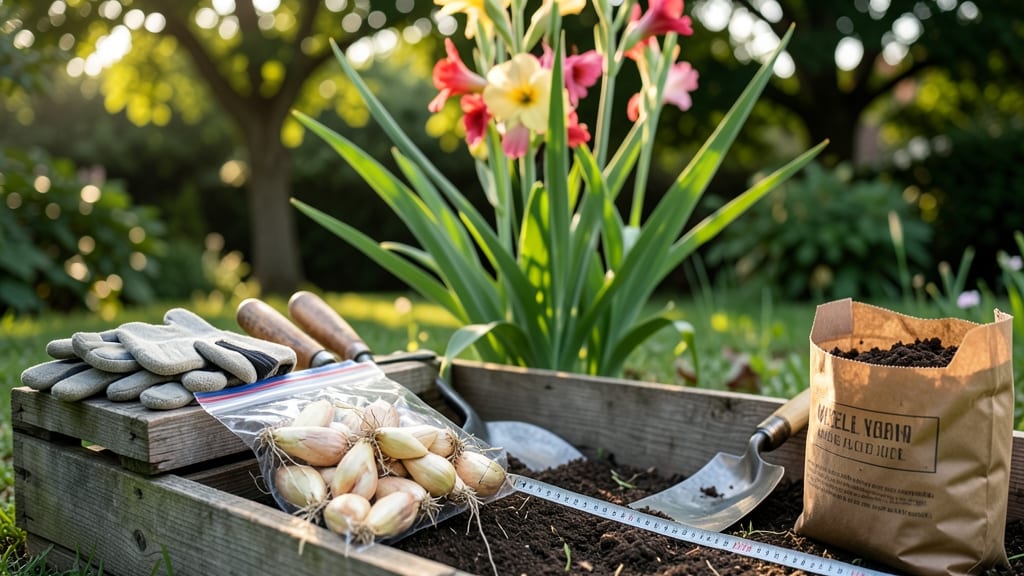
Planting Gladiolus bulbs at the wrong time in Tennessee could mean missing out on those stunning 🌸 summer blooms entirely. The key to success lies in understanding your local frost dates and soil temperatures—because those delicate corms need just the right conditions to thrive.
In USDA Zones 7A and 7B, you’ve got a narrow window of mid-April to early June to get them in the ground. Plant too early, and a late frost could zap your corms before they even sprout.
Too late, and you might not get the full summer display you’re dreaming of.
Don’t worry—this isn’t about guessing. I’ll break down the exact timing for Nashville, Chattanooga, and other Tennessee regions, so you can align your planting with your microclimate. Plus, I’ll share pro tips to extend your blooming season from June all the way to September.
Whether you’re a first-time gardener or a seasoned pro, getting this right means more vibrant flowers and fewer headaches. Let’s make sure your Gladiolus get the perfect start!
Optimal gladiolus planting dates in Tennessee: zone 7A vs 7B deadlines
Timing your gladiolus bulbs for Tennessee’s USDA Zones 7A/7B means balancing frost risk with summer heat. In Nashville and Chattanooga, your last frost date typically falls around March 15, but soil warmth matters more than calendar dates.
Aim to plant 4-6 weeks before your area’s last frost—usually mid-April to early May—to ensure healthy root establishment before summer’s peak. Late plantings after June 1 risk stunted growth from summer’s intense heat.
Tennessee’s microclimates create variations: East TN (Zone 7A) has cooler springs, while West TN (Zone 7B) warms faster. Use your local frost data (check Almanac.com) to adjust.
For summer-long blooms, stagger plantings every 2-3 weeks from April through June. This ensures continuous gladiolus flowers from July to October.
Soil temperature is your true planting trigger. Gladiolus corms thrive when soil reaches 60°F. In Tennessee, this usually happens by mid-April, but test with a soil thermometer—especially in shady or clay-heavy spots.
Planting too early in cool, wet soil invites rot, while waiting too long risks heat stress before blooming.
🌱 Tennessee Gladiolus Planting Timeline
| Zone & Region | Ideal Planting Window | Soil Temp Requirement | Last Safe Date |
|---|---|---|---|
| Zone 7A (East TN: Knoxville, Bristol) | Mid-April to early May | 60°F+ | May 15 |
| Zone 7B (Middle TN: Nashville, Murfreesboro) | Late April to early June | 60°F+ | June 1 |
| Zone 7B (West TN: Memphis, Chattanooga) | Early April to late May | 58°F+ | May 31 |
💡 Pro Tip: Use black plastic mulch in cooler zones to warm soil faster and extend your planting window by 2-3 weeks.
For Nashville gardeners, aim for April 15–May 1 to align with soil warming. In Chattanooga’s higher elevations, wait until late April to avoid late-spring frosts.
Always plant 4-6 inches deep and 6 inches apart—this depth protects corms from temperature swings and drought stress during Tennessee’s dry summers.
Watch for local weather patterns: Tennessee’s unpredictable spring rains can delay planting. If your soil stays waterlogged beyond April 30, switch to container gardening with well-draining mixes. Containers also let you move plants to shadier spots during July’s heatwaves.
Extend your gladiolus season by choosing early-blooming varieties like 'Picasso' (blooms in July) alongside late varieties like 'Green Star' (blooms in September). Plant the earliest corms in April and the latest in early June for a 12-week display.
Just ensure all corms are in the ground 8 weeks before your first fall frost (typically November 15).
After planting, mulch heavily with straw or pine needles to retain moisture and regulate soil temps. In Zone 7A, add 2-3 inches of mulch to protect corms from late-season frosts. Avoid organic mulches in Zone 7B’s heat, which can cause rot—opt for gravel mulch instead.
Monitor your gladiolus progress with weekly checks. If shoots emerge before May 15, cover them with frost cloth on cold nights. Once 6-inch stalks appear, remove cloth to prevent overheating.
Fertilize lightly with 10-10-10 when shoots hit 4 inches tall, then again after flowering to boost next year’s corm production.
Remember: Tennessee’s humidity and summer heat demand vigilant care. Staggered plantings, proper soil prep, and variety selection
How to extend your gladiolus season: early vs late varieties for Tennessee gardens
If you want gladiolus blooms from June through October in Tennessee, variety selection is your secret weapon. Not all glads thrive equally in our USDA Zone 7A/7B heat.
Early varieties like 'Picasso' (salmon-pink blooms) start opening in mid-June, while late bloomers like 'Green Star' (emerald-green spikes) can still shine in early October.
Succession planting is another game-changer. By staggering planting dates every 2-3 weeks from mid-April to early June, you’ll create a continuous bloom parade. For example, plant 'White Friendship' in late April for June flowers, then add 'Black Star' in early June for September-October color.
Heat-tolerant varieties like 'Primo' (red) and 'Dixie Friend' (pink) perform best in Tennessee’s summer extremes. These cultivars handle 90°F+ temperatures without wilting, while delicate European varieties may struggle. Always check the days-to-maturity label—aim for 90-120 days to align blooms with your desired season.
🌸 Variety Comparison for Tennessee Gardens
| Variety | Bloom Time | Heat Tolerance | Best Planting Window |
|---|---|---|---|
| Picasso | Mid-June to July | Moderate | Late April |
| Green Star | September-October | High | Early June |
| Primo | July-August | Very High | Mid-May |
| White Friendship | June-July | Moderate | Late April |
| Black Star | September | High | Early June |
For extended fall color, consider planting late varieties in early June and using mulch to protect corms from early frost. A 2-3 inch layer of straw or shredded leaves can push blooms 2-3 weeks later than unmulched plants. Just remember to remove mulch in late winter to prevent rot.
Pro tip: Pair early and late varieties in the same bed for a non-stop summer show. For example, 'Picasso' (early) + 'Green Star' (late) creates a June-to-October rainbow. Just ensure they get 6+ hours of sun daily—glads won’t tolerate shade.
Don’t forget to cut spent blooms to encourage more flowers and fertilize lightly in July to support late-season growth. With these strategies, your Tennessee garden can enjoy gladiolus magic for nearly half the year! 🌸