
Flowers
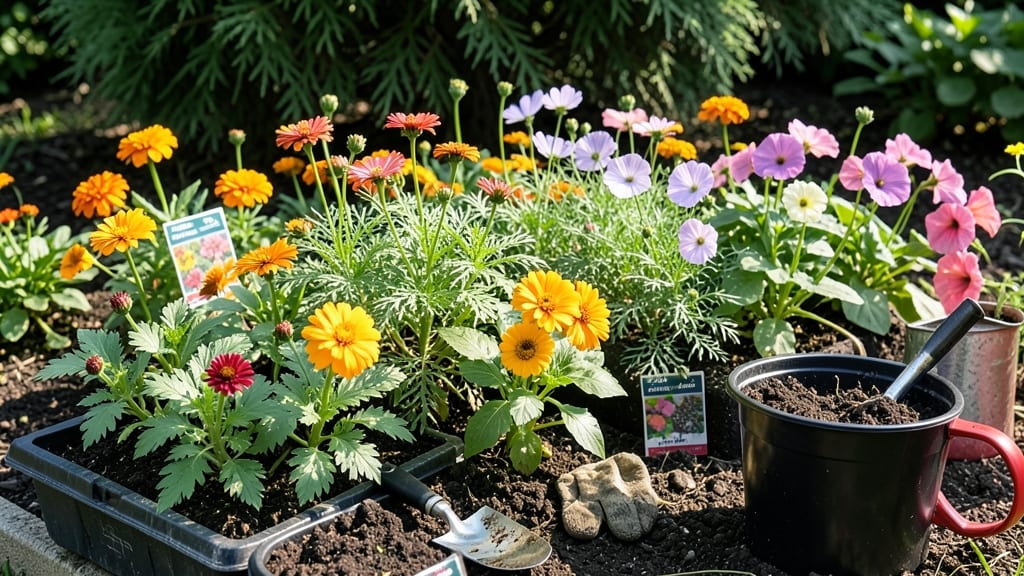
Planting flower seeds at the wrong time in Missouri can mean the difference between a garden bursting with color and a sad, wilted disappointment. With USDA Zones 5b-6b, timing is everything—especially when frost can still linger into April and heat waves arrive by June.
I’ve learned the hard way that rushing seeds into cold soil or waiting too long for warm weather ruins even the most promising blooms.
The key is understanding when to start seeds indoors, when to direct-sow outdoors, and which flowers thrive in Missouri’s short but sweet growing season—from cosmos that pop up in 30 days to coneflowers that reward patience with months of color.
Whether you’re dreaming of vibrant annuals or hardy perennials, this guide will help you avoid common mistakes like planting marigolds too early or skipping soil prep in clay-heavy areas. Let’s turn your Missouri garden into a reliable bloom machine—one perfectly timed seed at a time.
From March’s first frost-free days to September’s last chance for fall blooms, I’ll walk you through the exact windows, soil tips, and care tricks that make all the difference. Ready to grow a garden that actually works?
Missouri flower seed planting timeline by month: best times for annuals & perennials
Missouri’s spring planting window is short but critical—getting your flower seeds in the ground at the right time means the difference between lush blooms and frost-killed seedlings. With USDA Zones 5b-6b, your last frost typically falls around April 15, but soil temperatures lag behind air temps.
Planting too early risks cold damage, while waiting too long can delay your summer color. Here’s my month-by-month guide to timing it perfectly.
For cool-season flowers like pansies or snapdragons, I start sowing indoors in February (6-8 weeks before last frost) or directly outdoors in early March if your microclimate is warmer. These varieties tolerate light frosts and even thrive in cool soil.
Warm-season favorites like marigolds or zinnias, however, need to wait until after April 15—when soil temps hit 60°F+—to avoid stunted growth.
Here’s the visual planting timeline I rely on for Missouri gardens, broken down by month and flower type:
Pro tip: Use a soil thermometer to verify temps—cool-season flowers need 45°F+, while warm-season varieties stall below 55°F. In St. Louis or Kansas City, urban areas often warm up 1-2 weeks earlier than rural zones, so adjust accordingly.
For perennials like coneflowers, I plant seeds in late spring (May) for stronger root establishment before winter.
Missouri’s fall planting window (August-September) is a secret weapon for longer blooms. Many annuals like cosmos self-seed happily, while perennials like black-eyed Susans establish roots for next year. Just aim to sow 8-10 weeks before your first frost (typically October 15) to give seedlings time to mature.
For container gardening, I start warm-season flowers indoors in late March to give them a head start. Use grow lights if natural light is limited, and harden off seedlings for 1 week before transplanting after May 1.
Containers dry out faster, so monitor moisture levels closely—especially in clay-heavy Missouri soil.
Don’t forget about succession planting! For continuous blooms, I stagger marigold and zinnia plantings every 2-3 weeks from May through July. This ensures your garden stays vibrant long after the first summer heatwave fades.
Pair fast-blooming cosmos (30-40 days to flower) with longer-season varieties like sunflowers (90+ days) for a non-stop color show.
If you’re in northern Missouri (Zone 5b), err on the side of planting later—especially for warm-season flowers. In southern Missouri (Zone 6b), you can push spring plantings 1-2 weeks earlier.
Always check your local Cooperative Extension Service for microclimate adjustments, as urban areas like Columbia often have warmer microclimates than surrounding rural zones.
Finally, mark your calendar for September 1—this is my last call for fall-blooming annuals. After this date, seedlings won’t have enough time to mature before first frost. Use row covers or cold frames to extend the season for delicate varieties like pansies.
Tim
Missouri flower seed planting timeline by month: best times for annuals & perennials
Missouri’s USDA Zones 5b-6b mean your planting window is tight but rewarding. The key is aligning your flower seeds with soil temperatures and frost dates. Most annuals thrive when planted after April 15, while cool-season perennials can handle earlier starts.
Let’s break it down month by month to avoid common timing mistakes.
Start with cool-season flowers like pansies and snapdragons in March, as they tolerate light frosts. By April, warm-season varieties like marigolds and zinnias can go in once nighttime temps stay above 50°F. May is your last chance for direct-sowing annuals before summer heat sets in.
🌱 Missouri’s frost-free window spans roughly 165 days (April 15–October 15), but microclimates vary. Urban areas may warm faster than rural zones, so monitor your local last frost date for precision.
🌸 Missouri Flower Planting Timeline
| Month | Best Flowers | Planting Method | Soil Temp | Notes |
|---|---|---|---|---|
| March | Pansies, Snapdragons, Calendula | Direct sow or start indoors | 40-50°F | Tolerates light frost |
| April | Marigolds, Zinnias, Sunflowers | Direct sow after frost | 55-65°F | Wait for soil warmth |
| May | Cosmos, Coneflowers, Black-Eyed Susans | Direct sow or transplant | 60-70°F | Best for perennials |
| August-Sept | Alyssum, Sweet Alyssum, Bachelor’s Buttons | Direct sow for fall blooms | 50-60°F | Extend season with frost protection |
For perennials, like cone flowers and black-eyed Susans, sow seeds in late spring (May) for established roots before winter. Avoid planting warm-season annuals like petunias before May 15, or they’ll bolt in the heat.
Missouri’s clay-heavy soils can delay warming—amend with compost to speed up soil temperature rise. Use row covers for early starts in March to protect tender seedlings from unexpected frosts.
🌿 Pro Tip: Test soil moisture before planting—dry soil in May can stress young seedlings. Water deeply 2-3 times per week until established, then taper to weekly once blooming begins.