
Flowers
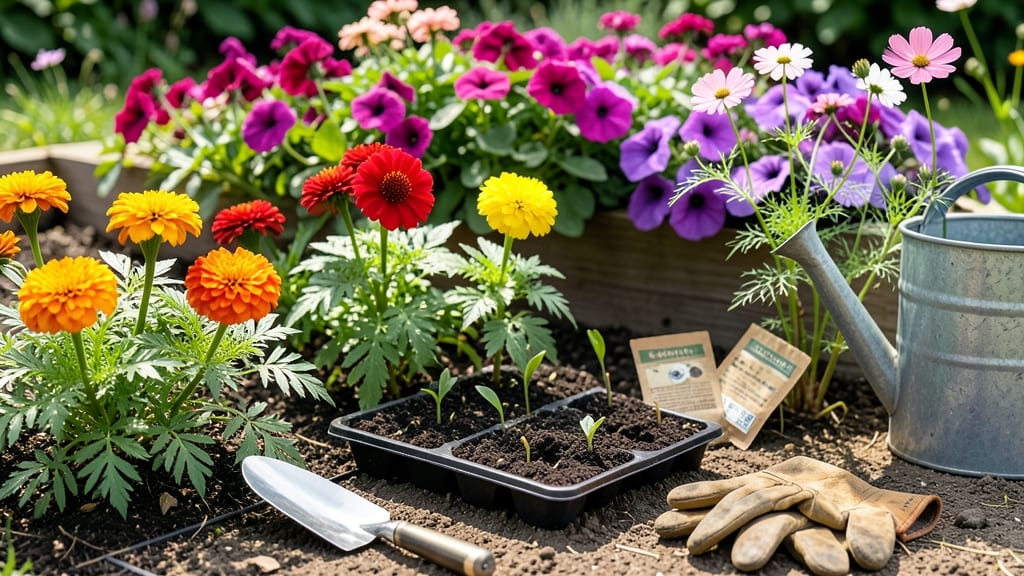
Timing when to plant flower seeds in Kansas just right means the difference between a garden bursting with color and one that fizzles before summer—so let’s get this right.
The first frost dates across Kansas zones (like 5b in the north or 7a in the south) set the stage for when you can safely tuck those seeds into the soil without risking a freeze.
Whether you’re dreaming of sunflowers stretching toward the sky or delicate petunias cascading over your porch, knowing exactly when to plant ensures your hard work pays off in vibrant blooms.
I’ve learned the hard way that rushing spring planting can leave your flowers wilting under late frosts, while waiting too long might mean missing the ideal window for fall-blooming varieties.
Kansas’ unpredictable weather throws another curveball, so we’ll break down the best months for each zone—plus how to adjust if Mother Nature has other plans. Think of this as your cheat sheet for turning your backyard into a year-round floral masterpiece, no matter where you garden in the state.
From cool-season favorites like pansies to heat-loving zinnias, we’ll cover the perfect planting schedule so you’re not guessing whether your seeds will thrive.
And because Kansas summers can be scorching while winters bring sudden cold snaps, I’ll share pro tips to stretch your blooming season—like using row covers or choosing the toughest native flowers. Ready to transform your garden into a showstopper?
Let’s dive into the timing that’ll make your flowers the envy of the neighborhood.
Whether you’re a first-time gardener or a seasoned green thumb, this guide cuts through the confusion so you can focus on what matters: watching your garden come alive.
No more second-guessing—just confident planting that leads to months of stunning color. Let’s make sure your flower seeds get the start they deserve in Kansas’ ever-changing climate.
Kansas frost dates by Zone: exact timing for flower seed planting
Kansas spans USDA Hardiness Zones 5b through 7a, meaning frost dates vary dramatically across the state.
In northern Kansas (Zone 5b), gardeners face earlier last frosts (mid-April) and later first frosts (mid-October), while southern Kansas (Zone 7a) enjoys later last frosts (early May) and earlier first frosts (late November). These differences dictate when to plant flower seeds for reliable blooms.
For most annual flowers, aim to plant seeds 2-3 weeks after your last frost date when soil reaches at least 60°F. Cold-hardy varieties like pansies and sweet peas can handle soil temps as low as 40°F, while heat-loving flowers like marigolds and zinnias need warmer soil (70°F+).
Always check local weather forecasts—Kansas’ unpredictable late spring frosts can catch even experienced gardeners off guard.
Here’s how frost dates by zone impact your planting schedule:
| Zone | Avg. Last Frost | Avg. First Frost | Planting Window | Notes |
|---|---|---|---|---|
| 5b (North) | Mid-April | Mid-October | Late April–May | Use row covers for early starts |
| 6a (Central) | Early May | Late October | Early May–June | Ideal for perennials |
| 6b (Central) | Early May | Early November | Early May–June | Longer growing season |
| 7a (South) | Early May | Late November | Late April–July | Best for tropical flowers |
In northern Kansas (Zone 5b), where Wichita and Salina fall, late spring frosts can occur as late as May 10th. I’ve learned to wait until May 15th to plant heat-loving annuals like sunflowers and cosmos to avoid frost damage.
For cool-season flowers like pansies and snapdragons, start seeds indoors in March and transplant after frost.
Southern Kansas (Zone 7a), including Hays and Garden City, has a longer growing season, allowing for earlier spring plantings. Here, you can direct-sow marigolds and zinnias in late April without risking frost.
However, always monitor forecasts—Kansas’ unpredictable weather can bring late frosts even in Zone 7a.
For perennial flowers, like coneflowers and black-eyed Susans, plant seeds in early spring (April) or late summer (August) for fall blooms. These hardy varieties establish roots before winter, ensuring vibrant blooms the following year.
I’ve found that succession planting every 2-3 weeks keeps my garden in continuous bloom from May through October.
Pro tip: Use a soil thermometer to confirm soil temps before planting. Most flower seeds need soil temps between 60°F–70°F to germinate. If temps are below 50°F, wait or use row covers to warm the soil faster. This small step can double your success rate in Kansas’ variable climate.
Remember, Kansas’ frost dates aren’t set in stone. A 5-year average might show May 1st as the last frost date, but I’ve seen frost in early June in my Zone 6b garden. Always plan for flexibility and have row covers or
Best flowers to plant by season in Kansas (with planting months)
Kansas’ four distinct seasons create the perfect stage for a year-round flower garden. But timing matters—plant cool-season flowers like pansies in early spring, while heat-loving zinnias thrive when summer arrives. Let’s break down the best flowers to plant each season and when to sow seeds for maximum blooms.
For spring planting, focus on cold-hardy annuals and perennials that tolerate late frosts. Sweet peas and snapdragons are excellent choices, as they germinate well in 50°F soil and bloom by summer. In summer’s heat, prioritize drought-tolerant varieties like sunflowers and cosmos, which love Kansas’ 90°F+ temperatures.
🌱🌿
Don’t forget about perennials like black-eyed Susans and coneflowers, which thrive in Kansas’ well-draining soil and return year after year. For succession planting, sow fast-growing flowers like bachelor’s buttons every 3 weeks to keep your garden blooming nonstop.
Pro tip: Use mulch after planting to retain moisture and protect young seedlings from Kansas’ unpredictable weather swings. And if you’re in Zone 6b or 7a, extend your fall planting by 2–3 weeks for late-season color.
With this seasonal guide, your Kansas garden will be a nonstop parade of color—just don’t blame me if you get hooked on planting even more flowers! 🌻