
Flowers
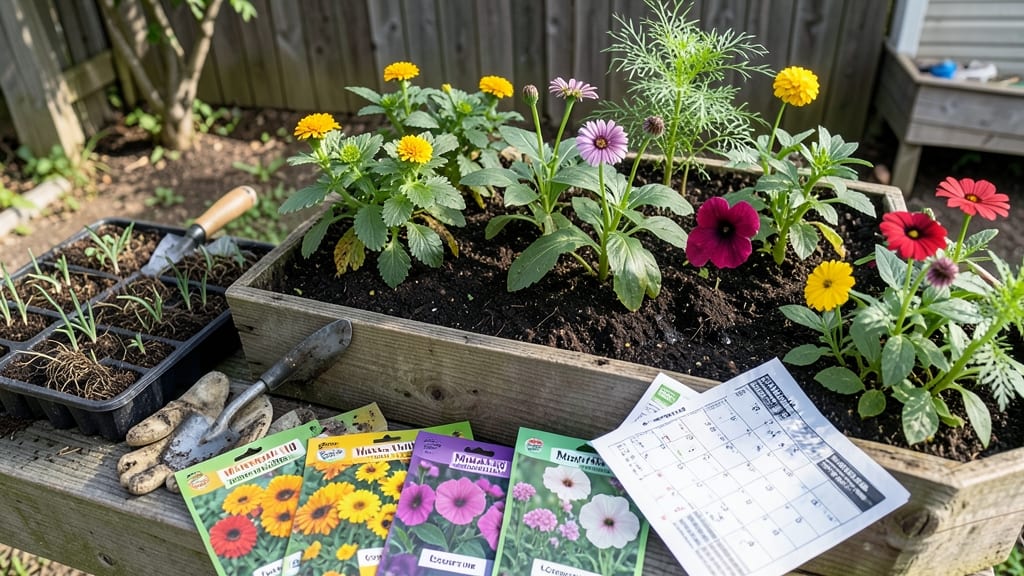
Planting flower seeds 🌸 in Massachusetts at the wrong time means frost will turn your garden dreams into a sad, icy memory. Whether you're a first-time gardener or a seasoned green thumb, getting the timing right is the key to vibrant blooms from spring through fall.
With USDA Zones 5b-6b and frost dates that shift yearly, knowing when to start seeds indoors or sow directly outside makes all the difference. Too early, and tender seedlings won’t survive; too late, and you’ll miss the growing season entirely.
Let’s break down the perfect planting windows so you can enjoy a garden bursting with color all season long.
From hardy spring annuals like pansies to heat-loving summer favorites like zinnias, each flower has its own ideal planting schedule. I’ll show you exactly when to start seeds indoors, when to plant directly in the soil, and how to extend your blooming season with smart strategies.
Whether you’re in Boston, Worcester, or Springfield, these actionable tips will help you avoid common mistakes and maximize your garden’s potential. Ready to grow a showstopping display? Let’s get started.
Massachusetts flower seed planting deadlines by season (zone 5-6 guide)
Massachusetts’ USDA Zones 5b-6b mean your flower seed planting schedule must align with last frost dates (typically mid-April) and first frost (around mid-October). Missing these windows can leave your garden sparse or frost-bitten.
I’ve broken down the best times to plant for spring, summer, and fall blooms, including cold-hardy annuals and perennials that thrive in our climate.
For Boston, Worcester, and Springfield, soil temperatures and frost risks vary slightly, but these guidelines cover the entire state. Always check your local Almanac for the most precise dates—last year’s May frost caught many off guard!
Start with cold-hardy flowers like pansies and snapdragons, then transition to heat-lovers like marigolds and zinnias as temperatures rise.
🌱 Did You Know? Some flowers, like calendula and nasturtiums, can handle light frosts and even direct sowing in early spring (as early as March). These are my go-to frost-resistant picks for extending the season.
Pro tip: Use row covers or cold frames to extend your spring planting window by 2–4 weeks. I’ve successfully grown snapdragons in March using a simple floating row cover—the difference in bloom time is dramatic!
For summer flowers, focus on heat-loving varieties like celosia and portulaca, which thrive in July and August when other plants wilt. These are my go-to drought-tolerant picks for hot, dry spells.
Don’t overlook fall planting! Many flowers, like pansies and sweet peas, can be sown in August for winter color. Start seeds indoors in July to get a head start on the first frost.
If you’re new to gardening, prioritize easy-to-grow annuals like marigolds and zinnias—they’re forgiving and bloom fast (often within 6–8 weeks of planting). For perennials, like coneflowers or black-eyed Susans, plant seeds in late spring for established roots before winter.
Always test your soil before planting—pH levels between 6.0–7.0 are ideal for most flowers. Amend with compost or peat moss if needed, and mulch after planting to retain moisture and regulate soil temperature.
🌿 Remember: The key to a long-blooming garden is succession planting. Stagger your sowing dates every 2–3 weeks to ensure continuous color from spring through fall.
Best flowers to plant by seed starting month in Massachusetts
Massachusetts gardeners can transform their yards into vibrant canvases by planting the right flowers at the right time. March is perfect for cool-season annuals like pansies and snapdragons, which thrive in 50-60°F soil.
Meanwhile, July offers a last chance to sow heat-loving marigolds and zinnias before summer’s end. Let’s break down the best flower seeds to plant each month, including germination times and sunlight needs.
For beginner-friendly options, start with pansies or sweet alyssum—both germinate quickly and tolerate light frosts. Sunflowers and cosmos are ideal for late summer planting, as they bloom rapidly even in shorter daylight hours.
Always check seed packets for days to germination, which can range from 7-21 days depending on the variety.
🌱
Pro tip: Use row covers or cold frames to extend the season for early or late plantings. For example, pansies can bloom from spring through fall if protected from hard frosts. Always water seeds gently to avoid displacing them, and keep soil consistently moist until germination.
If you’re unsure about your last frost date, check the Massachusetts Agricultural Extension Service or local Cooperative Extension offices for updates. Boston typically sees its last frost around April 15, while Springfield may wait until May 1. Adjust your planting schedule accordingly to avoid frost damage.
For low-maintenance gardens, prioritize drought-tolerant varieties like lavender or coneflowers. These require minimal watering once established and attract pollinators like bees and butterflies. Pair them with self-seeding annuals like cosmos for effortless renewal each year.
🌿