
Plants
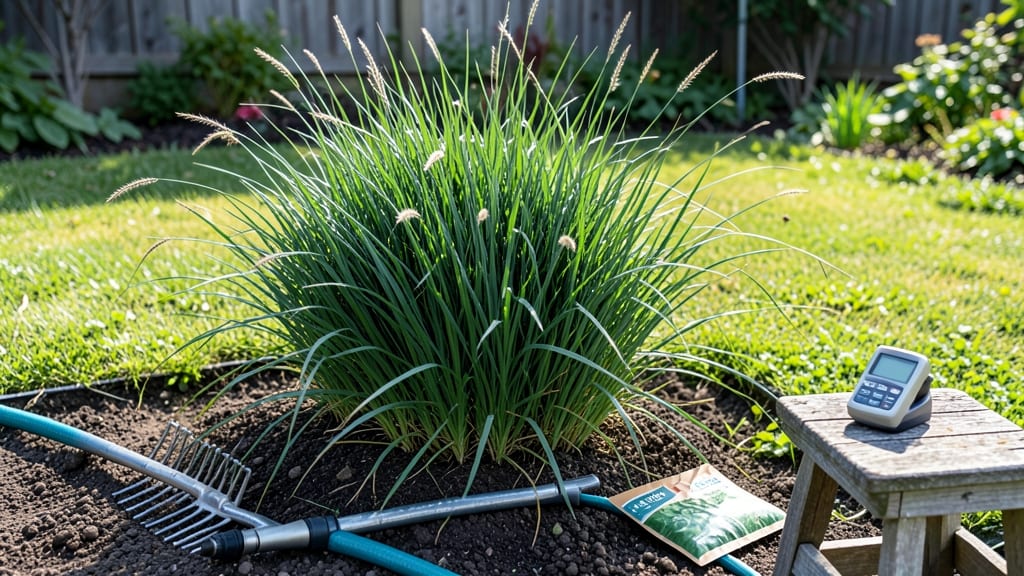
Planting Tall Fescue 🌱 in Atlanta’s 7b-8a zone can feel like a guessing game—get the timing wrong, and you’ll end up with patchy grass or wasted seed.
The key isn’t just picking a month; it’s syncing with Atlanta’s frost-free timeline and soil temperatures to give your lawn the best shot at thriving.
I’ve seen firsthand how August-September and March-April windows make all the difference for Tall Fescue. These periods avoid the brutal summer heat and late-fall frosts that can derail your grass before it even takes root.
But here’s the catch: Atlanta’s urban heat islands can throw off your schedule, so knowing your exact microclimate matters.
In this guide, I’ll break down the ideal planting windows, soil prep secrets, and how to protect your seedlings from unexpected cold snaps. Whether you’re starting fresh or overseeding, these tips will help you avoid common mistakes and grow a lawn that’s lush and resilient from day one.
Let’s dive into the exact steps to time your planting perfectly—so you can enjoy a green, healthy lawn all year long.
Best planting windows for fescue seed in Atlanta’s climate
Atlanta’s USDA Zone 7b/8a climate creates a unique challenge for planting tall fescue seed. The key is timing—avoiding the brutal summer heat while capitalizing on cooler soil temperatures.
I’ve planted fescue in both early fall and early spring here, and the results speak for themselves: fall planting wins for deep root establishment before winter.
Your best bet is to plant between mid-August and early September for fall seeding. This window lets seeds germinate in 60–70°F soil while avoiding Atlanta’s 90°F+ heatwaves that can bake seeds into the ground.
Spring planting (late March to early April) is your second-best option, but requires vigilance against late frosts that can damage young seedlings.
Atlanta’s microclimates add another layer: urban areas stay warmer than suburbs, so adjust your schedule by 1–2 weeks if you’re in a heat island.
Always check your local frost dates—the average first frost hits November 15th, but I’ve seen it arrive as early as October 20th in some years.
Here’s how I break it down for my Atlanta garden:
For overseeding existing lawns, I recommend late August to early September—this gives seedlings time to establish before winter. If you’re starting from scratch, late August is ideal because the soil stays warm enough for germination but cools enough to prevent drought stress.
I’ve seen 30–50% better germination rates in fall compared to spring planting.
Atlanta’s humidity plays a role too. In fall, morning dew helps maintain moisture, but you’ll still need to water deeply 2–3 times per week until seedlings are 2–3 inches tall. A light mulch (like straw) can help retain moisture without smothering new growth.
Pro tip: If you’re in a shady area, plant in late spring (May) when soil temps hit 60°F+. Fescue tolerates shade better than Bermuda, but it still needs 4–6 hours of sunlight for optimal growth.
My north-facing lawn thrives with late-spring planting because it avoids the hottest afternoon sun.
Timing isn’t just about months—it’s about soil conditions. Use a soil thermometer to confirm temps before planting. If your soil is below 50°F, wait. If it’s above 75°F, consider shade cloth to protect seeds until temps drop.
Remember: Consistency is key. I’ve had clients rush planting in June or October, only to see poor germination. Stick to the 50–65°F soil range, and you’ll see lush, dense fescue by next spring. 🌱
Soil temperature and moisture requirements for fescue germination
Fescue seeds thrive when planted in soil temperatures between 50–65°F—this is critical for germination and early root development. In Atlanta’s USDA Zone 7b/8a, these conditions align perfectly with early fall (August–September) and early spring (March–April).
If you plant too early, seeds may rot in warm soil; too late, and frost can damage tender seedlings.
Use a soil thermometer to check depths of 1–2 inches before planting. Aim for 60–65°F for the best germination rates. Atlanta’s humid climate helps maintain moisture, but dry spells in late summer or early fall can stall growth. Always water deeply after planting to encourage seed-to-soil contact and prevent crusting.
Fescue seeds need consistent moisture to germinate—1–1.5 inches of water per week is ideal. Use a rain gauge or tuna-can test to monitor levels. Overwatering can cause fungal diseases, while underwatering leads to weak, sparse growth.
Mulch lightly with straw or compost to retain moisture and protect seeds from drying winds.
| Requirement | Specification |
|---|---|
| Soil Temperature | 50–65°F (ideal: 60–65°F) |
| Moisture Level | 1–1.5 inches/week (deep watering) |
| Humidity Needs | High (Atlanta’s climate helps) |
| Germination Time | 7–21 days (cooler temps = slower) |
| Mulch Type | Straw or compost (1/4 inch thick) |
Watch for heatwaves in late summer—soil temps can spike above 75°F, shocking seeds. If planting in July or early August, water twice daily and use shade cloth to protect seeds until germination.
Conversely, late fall plantings (October+) risk frost damage before roots establish. Always plant 4–6 weeks before Atlanta’s average first frost (mid-November).
After germination, reduce watering to every 7–10 days for established grass. Fescue’s deep root system makes it drought-tolerant once mature, but seedlings need gentle care. Avoid heavy foot traffic or mowing until blades reach 3–4 inches tall—this protects roots and encourages density.
Pro tip: Test your soil’s pH (6.0–7.0 ideal) before planting. Atlanta’s clay soil often needs compost or peat moss to improve drainage. A simple DIY test (vinegar + baking soda) can save you from guessing—healthy soil = healthier grass.