
Plants
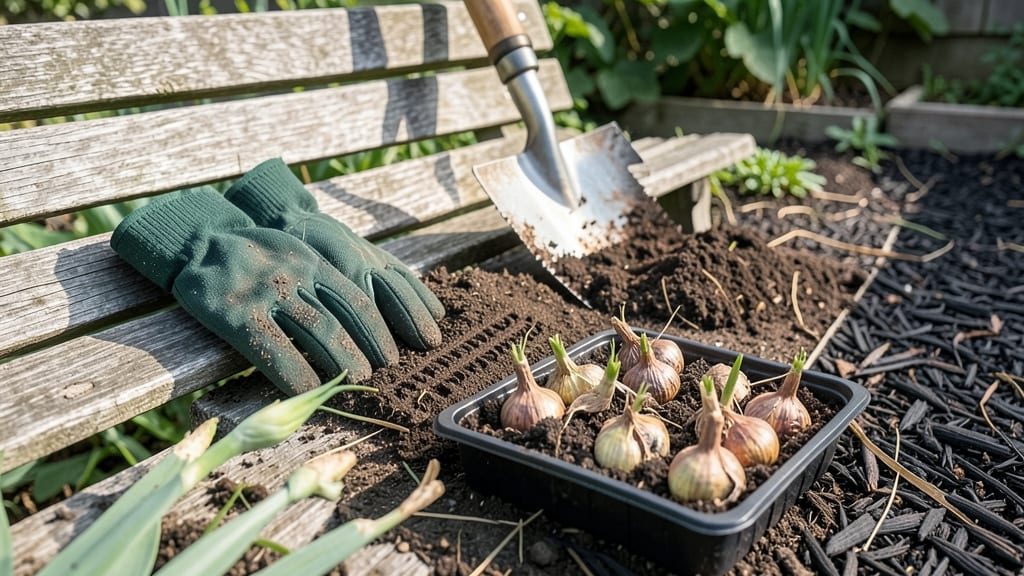
Planting gladiolus bulbs in Massachusetts at the wrong time can mean the difference between a show-stopping summer garden and a sad, frost-nipped disappointment. The ideal window—late April to early June—aligns perfectly with when soil warms to 60°F+ and the last frost (usually around April 15) has passed for good.
Why does timing matter so much? Gladiolus 🌸 bulbs are sensitive to cold, and planting too early risks frost damage, while waiting too long can delay those dramatic spikes of color you’re dreaming of by July.
In Zone 6a, where Massachusetts falls, getting this right means healthier roots, stronger stems, and blooms that last through September.
I’ve learned the hard way that rushing or dragging your feet with these bulbs can backfire—especially in Massachusetts’ unpredictable spring weather. Whether you’re in Boston’s urban heat islands or the cooler Cape Cod region, the key is monitoring soil temperature and adjusting your schedule.
Let me walk you through the exact steps to time it perfectly, so your gladiolus thrive from the moment they hit the ground.
From spacing bulbs 6 inches apart to ensuring they’re planted 4-6 inches deep in well-drained soil, the details matter just as much as the calendar. Ready to grow a garden that turns heads? Let’s dive into the proven methods that work for Massachusetts gardeners—no guesswork required.
Massachusetts gladiolus planting calendar: frost dates & soil temperature rules
Timing your gladiolus bulb planting in Massachusetts depends on two critical factors: soil temperature and last frost dates. Since MA spans USDA Zones 5-6, your exact window varies slightly—Boston’s coastal microclimate differs from inland Worcester.
Aim to plant when soil reaches 60°F (15°C) and nighttime temps stay above 50°F (10°C) consistently.
For most of Massachusetts, this means starting late April to early June. However, Cape Cod’s cooler coastal air may delay planting by 1-2 weeks compared to inland areas. Always check your local frost-free date—typically mid-April for southern MA and early May for northern regions like Northampton.
🌱
| Region | Last Frost Date | Ideal Planting Window | Soil Temp Threshold |
|---|---|---|---|
| Boston & Southeast MA | April 15-May 1 | Late April to early May | 60°F (15°C) |
| Worcester & Central MA | April 20-May 5 | Early May | 60°F (15°C) |
| Cape Cod & Islands | May 1-15 | Mid-May | 60°F (15°C) |
| Northern MA (Pittsfield) | May 10-20 | Late May | 60°F (15°C) |
Use a soil thermometer to verify warmth—gladiolus bulbs need consistent heat to sprout. If your soil is still cold in May, wait until early June rather than risking rot. For container growing, plant 2 weeks earlier since pots warm faster.
Pro tip: In Zone 5 areas (northwest MA), consider staggered planting—start with early varieties in late April and add late bloomers in early June for extended color. This works especially well for cut flower gardens where you want blooms from July through September.
🌸
If you’re unsure about your local frost date, use the Massachusetts Agricultural Extension Service frost maps or check with your local Cooperative Extension office. They provide hyperlocal advice tailored to your town’s microclimate.
For example, Amherst might be 2 weeks earlier than Providence, RI, even though they’re geographically close.
Once you’ve nailed your planting window, focus on soil prep. Gladiolus bulbs thrive in well-draining soil with a pH of 6.0-6.8. In clay-heavy MA soils, mix in compost or sand to improve drainage. Avoid planting in areas where water pools after rain—this leads to bulb rot.
💧
For mass plantings, like those seen in public gardens or cutting gardens, space bulbs 6 inches apart in rows 12 inches apart. This spacing ensures airflow and reduces fungal diseases like botrytis, which thrives in humid MA summers.
If you’re planting in full sun (6+ hours daily), mulch with straw or wood chips to retain moisture and suppress weeds.
Finally, remember that gladiolus bulbs are tender and won’t survive freezing temperatures. If an unexpected late frost hits in May, cover young shoots with frost cloth or row covers until temps rise. This is especially critical in Zone 5 areas where May frosts can still occur.
How to adjust planting time for early vs late blooming gladiolus varieties
Staggering your gladiolus planting schedule is the secret to enjoying continuous blooms from July through September—a game-changer for Massachusetts gardens.
Early varieties like 'Attraction' or 'Bravo' need to go in the ground 2-3 weeks before your standard types, while late bloomers such as 'Green Star' can wait until early June for fall color.
In Massachusetts, where summers are short but intense, this strategy extends your floral display by 6-8 weeks. I’ve found that planting early varieties around mid-April (if soil is workable) and late varieties in early June creates a seamless transition between summer and fall blooms.
For early bloomers, aim for a May 1st planting date in most of Massachusetts, giving them time to establish roots before the heat of July. Late varieties planted in early June will still produce stunning spikes by September, just in time for fall arrangements.
🌸
🌱 Examples: 'Attraction', 'Bravo', 'Pink Parfait'
📅 MA Planting Window: Mid-April to early May
🌡️ Soil Temp: 55°F+ (use row covers if needed)
🌼 Examples: 'White Wings', 'Black Star', 'Apriori'
📅 MA Planting Window: Late April to mid-May
🌡️ Soil Temp: 60°F+ (ideal for root growth)
🌷 Examples: 'Green Star', 'Dalou', 'Picasso'
📅 MA Planting Window: Early to mid-June
🌡️ Soil Temp: 65°F+ (avoid extreme heat stress)
Regional adjustments matter too. In cooler inland areas like Worcester, push early planting back by 1 week, while warmer coastal regions like Cape Cod can start 10 days earlier—just monitor soil temps with a thermometer to avoid frost risk.
Pro tip: Use row covers for early plantings if nighttime temps dip below 40°F. I’ve saved many a gladiolus crop this way during Massachusetts’ unpredictable springs. For late varieties, focus on watering deeply once planted to help roots establish before summer heat arrives.
💧