
Plants
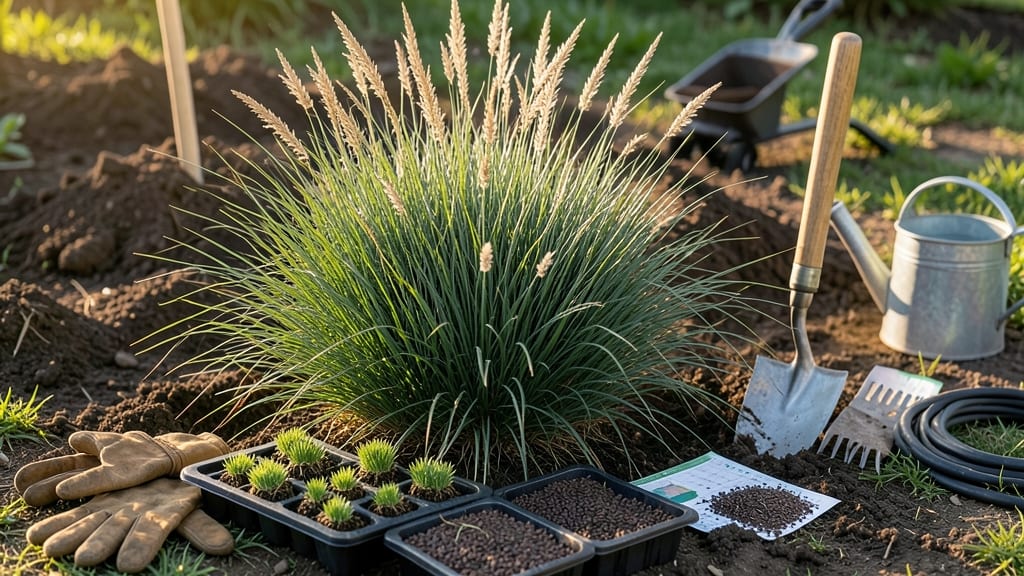
Planting fescue in Kansas at the wrong time can leave your lawn struggling through harsh winters or wilting in summer heat—so timing is everything. The cool-season grass thrives when soil temperatures hover between 50-65°F, making early spring and early fall the sweet spots for establishment.
If you're eyeing a lush, green lawn, you’ll want to plant your 🌱 fescue between March-April or August-September, aligning with Kansas’ USDA zones 5b-7a. But here’s the catch: rushing too early or waiting too late can mean weaker roots before winter sets in.
I’ll walk you through the exact frost-free window for your region, soil prep tips, and how to adjust for Kansas’ unpredictable weather. Whether you’re in Wichita or Kansas City, these insights will help you avoid common mistakes and get your lawn off to the best start.
Ready to transform your yard? Let’s dive into the best planting strategies for a resilient fescue lawn that stands up to Kansas’ extremes.
Kansas fescue planting timeline: soil temperature & frost-free deadlines
Planting fescue grass in Kansas depends on two critical factors: soil temperature and your region’s frost-free window. Kansas spans USDA zones 5b-7a, meaning frost dates and soil warmth vary dramatically from Wichita to Kansas City to Topeka.
For best results, aim to plant when soil temps reach 50-65°F—this gives seeds time to germinate before summer heat or winter frost sets in.
In Kansas, the ideal planting windows are early spring (March-April) or early fall (August-September). Spring planting lets fescue establish roots before summer drought, while fall planting avoids heat stress and gives grass time to root before winter dormancy.
The average last frost date in Kansas is around April 15, but this shifts 2-3 weeks earlier in southern regions like Wichita and 3 weeks later in northern areas like Manhattan.
To check your local soil temperature, use a soil thermometer or refer to NOAA’s frost data for your county. Plant 4-6 weeks before the first frost date or after the last frost date.
For example, in Kansas City (Zone 6a), this means planting by mid-October for fall or after mid-April for spring. Adjust if your area has unpredictable frost—late springs or early freezes are common in Kansas.
🌱 Did You Know? Fescue thrives in cool-season conditions, making it perfect for Kansas’ climate. Unlike warm-season grasses, it stays green through fall and early spring, offering year-round appeal with proper planting timing.
| Region | USDA Zone | Last Frost Date | First Frost Date | Ideal Planting Months |
|---|---|---|---|---|
| Wichita | 7a | March 20 - April 5 | October 20 - November 5 | March-April, August-September |
| Kansas City | 6a | April 1 - April 15 | October 10 - October 25 | March-April, August-September |
| Topeka | 6b | April 5 - April 20 | October 15 - October 30 | March-April, August-September |
| Manhattan | 5b | April 15 - May 1 | October 25 - November 10 | April-May, August-September |
If you’re planting in late spring (May-June), choose fast-germinating fescue varieties like Tall Fescue to beat summer heat. For fall planting, prioritize Fine Fescue, which tolerates cooler soils better. Always test soil moisture before planting—dry soil slows germination, while soggy soil risks rot.
For overseeding existing lawns, aim for late summer (August) when current grass is dormant but soil is still warm enough for new seeds. This minimizes competition and gives fescue a head start before winter.
In southern Kansas (Zone 7a), you can even plant late fall (October) if soil temps stay above 50°F.
Pro tip: Use a frost calendar from your local cooperative extension office for hyper-local advice. Kansas State University’s garden guides often update frost dates annually—bookmark their resources! Also, avoid planting in extreme heat (above 85°F) or during prolonged drought, as seeds may dry out before germinating.
Remember, fescue establishes slowly—give it 3-4 weeks to germinate and 60-90 days to fully root. Rushing planting can lead to thin, weak grass that struggles with Kansas’ intense summers or freezing winters. Patience pays off with a dense, resilient lawn that outlasts harsh conditions.
🌿 Key Takeaway: Plant
How to adjust fescue planting for Kansas’ unpredictable weather patterns
Kansas’ weather can be as unpredictable as a summer storm—one day it’s warm enough to plant, the next it’s snowing. That’s why flexibility is key when planting fescue grass.
The good news? Fescue is cold-hardy and can handle Kansas’ variable temperatures, but you’ll still need strategies to protect your investment.
Start by choosing cold-hardy varieties like Tall Fescue or Hard Fescue, which thrive in USDA Zones 5b-7a. These types can tolerate soil temps as low as 50°F, giving you a longer planting window than warmer-season grasses.
For extra protection, use frost blankets or row covers if early frosts threaten.
🌱 Pro Tip: Monitor NOAA frost forecasts and local gardener reports (like those from Kansas State University Extension) to adjust your planting timeline. If your area experiences an early frost, delay planting until soil temps stabilize above 50°F for at least a week.
⚠️ Watch for Premature Frost
Kansas’ unpredictable fall weather can bring early frosts. If temps drop below 32°F within 4-6 weeks of planting, your fescue seedlings may struggle to establish. Use a soil thermometer to track temps and adjust planting dates accordingly.
Another trick? Plant in early fall (August-September) instead of spring. Fall-planted fescue has 6-8 weeks to establish roots before winter dormancy, making it hardier than spring-planted grass. Just ensure your last frost date isn’t sneaking up before roots take hold.
For drought-prone areas (like western Kansas), extend your planting window by watering deeply after planting. Aim for 1 inch of water per week until the grass is 2 inches tall. This helps roots grow deeper and faster, giving your lawn a head start against Kansas’ dry spells.
Finally, if you’re in a transition zone (like southeastern Kansas), where summers can be hot and humid, consider shade-tolerant varieties like Creeping Red Fescue. These adapt better to microclimates with partial shade, reducing stress from extreme heat.
By staying flexible and proactive, you’ll turn Kansas’ unpredictable weather into an advantage—giving your fescue the best chance to thrive year after year. 🌿