
Trees
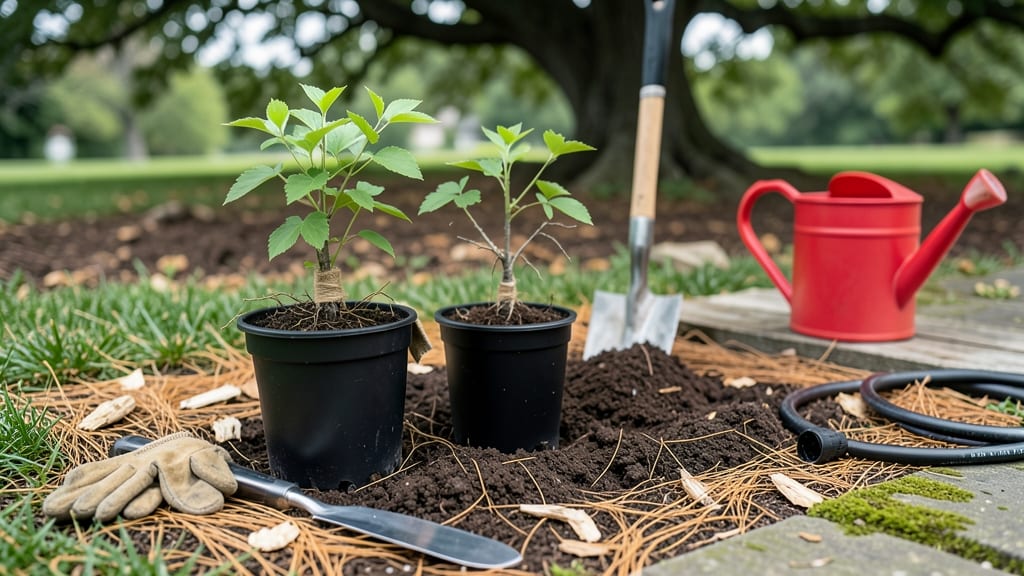
Planting a dogwood tree 🌳 in Texas at the wrong time could mean the difference between a showstopping spring display and a struggling sapling fighting for survival in the heat.
The key to success lies in understanding your region’s unique climate—whether you’re in North Texas’s cooler hills or South Texas’s balmier coasts—because timing isn’t one-size-fits-all.
Most Texas gardeners swear by fall planting, when soil stays warm but summer’s brutal heat has passed. But early spring also works, giving roots a head start before the real heat arrives.
What you’ll discover here are the exact months that work best for your specific zone, plus soil prep secrets to help your dogwood thrive in Texas’ unpredictable weather.
We’ll break down the critical window for each region—from Hill Country’s late frosts to Gulf Coast’s milder winters—so you can avoid common mistakes that kill dogwoods before they even bloom.
Whether you’re planting in the ground or a container for urban spaces, these insights will set you up for years of vibrant spring color.
Ready to turn your yard into a dogwood paradise? Let’s dive into the perfect schedule that’ll have your tree off to a strong start—no guesswork required.
Best months to plant dogwood trees in Texas by region
Texas’ diverse climate means one planting schedule won’t work statewide. Dogwood trees (Cornus florida and native species like Cornus drummondii) thrive when planted during cooler months, but timing shifts from North Texas’ chilly winters to South Texas’ mild winters.
Let’s break it down by region to avoid transplant shock and ensure your tree establishes strong roots before summer’s brutal heat.
For North Texas (USDA Zones 7b-8a), the sweet spot is October through November or February through early March. This timing avoids late frosts (common until mid-March) and gives roots time to settle before summer.
In Central Texas (Zones 8a-8b), shift slightly earlier: September-October or January-February to escape the 100°F+ summers.
Southern Texans (Zones 9a-10b) have the most flexibility—plant in September-October or February-March. The key is soil temperatures: Aim for 60-70°F at 6 inches deep. Use a soil thermometer to check before planting, especially in East Texas’ humid climate or West Texas’ arid conditions.
🌳
| Region | Best Planting Months | Soil Temp Requirement | Frost Risk | Key Consideration |
|---|---|---|---|---|
| North Texas (Zones 7b-8a) | October–November February–March |
60–70°F | Late frosts until mid-March | Avoid planting after March 15 |
| Central Texas (Zones 8a-8b) | September–October January–February |
60–70°F | Light frosts possible | Water deeply in summer |
| South Texas (Zones 9a-10b) | September–October February–March |
65–75°F | Minimal frost risk | Provide afternoon shade |
| West Texas (Zones 8a-9a) | October–November January–February |
55–65°F | Cold snaps possible | Mulch heavily to retain moisture |
If you miss the ideal window, early spring (February) is your backup—just ensure the ground isn’t frozen. Never plant in summer; Texas heat stresses young roots, leading to transplant shock or death.
For urban gardeners in cities like Austin or Dallas, consider container planting to control soil conditions and water access.
Pro tip: Native dogwoods (like Texas dogwood) adapt better to local conditions than Cornus florida. If you’re in East Texas’ humid climate, choose disease-resistant varieties like ‘Cherokee Brave’ to combat fungal risks from excessive moisture.
After planting, focus on watering deeply once a week for the first year. Dogwoods hate soggy roots, so ensure your planting site has well-draining soil. In Hill Country regions, amend clay soil with compost or sand to improve drainage.
💧
For container-grown dogwoods, the timing is similar, but monitor soil moisture closely—pots dry out faster in Texas heat. Use a 5-gallon container minimum for young trees and upgrade as they grow. Place containers in partial shade to protect roots from extreme temperatures.
Remember: Patience is key. Dogwoods planted in fall may not bloom until their third or fourth year, but proper timing ensures they’ll reward you with stunning spring flowers for decades. Start now, and your Texas dogwood will thank you with vibrant blooms and lush foliage!
How to prepare your Texas soil for dogwood tree planting
Dogwood trees (Cornus florida and native species like Cornus drummondii) thrive when planted in well-draining, slightly acidic soil. Texas’s heavy clay or alkaline soils often need adjustments to create the perfect growing conditions.
Start by testing your soil’s pH and texture—dogwoods prefer a pH between 5.0 and 6.5 and avoid waterlogged areas. If your soil is too alkaline or compacted, amendments like compost or sulfur can make a world of difference.
Before planting, clear the area of weeds and grass within a 3-foot radius of the planting hole. This reduces competition for nutrients and water. Use a shovel or garden fork to loosen the soil to a depth of 12-18 inches, breaking up any compacted layers.
Loose soil helps roots penetrate easily, especially in Texas’s hot, dry summers.
🌱 Step-by-Step Soil Prep for Dogwood Trees
- Test soil pH: Use a home test kit or send a sample to your local extension office. Aim for 5.0-6.5 pH.
- Amend acidic soil: Mix in 2-3 inches of compost or elemental sulfur (follow package rates) to lower pH.
- Improve drainage: For clay soil, blend in sand or perlite to create a well-aerated mix.
- Add organic matter: Work in aged manure or leaf mold to boost fertility and moisture retention.
- Mulch the base: Apply 2-3 inches of mulch (wood chips or pine straw) to retain moisture and regulate soil temperature.
If your soil is sandy or poorly fertile, enrich it with composted organic matter like leaf mold or well-rotted manure. Dogwoods benefit from nutrient-rich soil, but avoid fresh manure, which can burn roots.
For urban planters, use a high-quality potting mix blended with perlite or vermiculite to ensure drainage. Container-grown dogwoods also need regular watering since pots dry out faster in Texas heat.
One critical step often overlooked is watering before planting. Soak the root ball of your dogwood tree 1-2 days before transplanting to reduce transplant shock. This helps roots stay hydrated during the move and encourages faster establishment.
After planting, water deeply to settle the soil around the roots and eliminate air pockets.
For long-term success, consider installing a drip irrigation system or soaker hose near the tree. This ensures consistent moisture without overwatering, which is especially important in Texas’s variable rainfall patterns. Dogwoods are moderately drought-tolerant once established, but young trees need regular watering to thrive in our intense summers.
Finally, avoid over-fertilizing right after planting. Too much nitrogen can stress the tree and attract pests. Instead, wait 6-12 months before applying a balanced, slow-release fertilizer (like 10-10-10) in early spring. This gives your dogwood time to adjust to its new home before pushing new growth.
With the right soil prep, your dogwood will establish strong roots and reward you with vibrant spring blooms for years to come. 🌷