
Plants
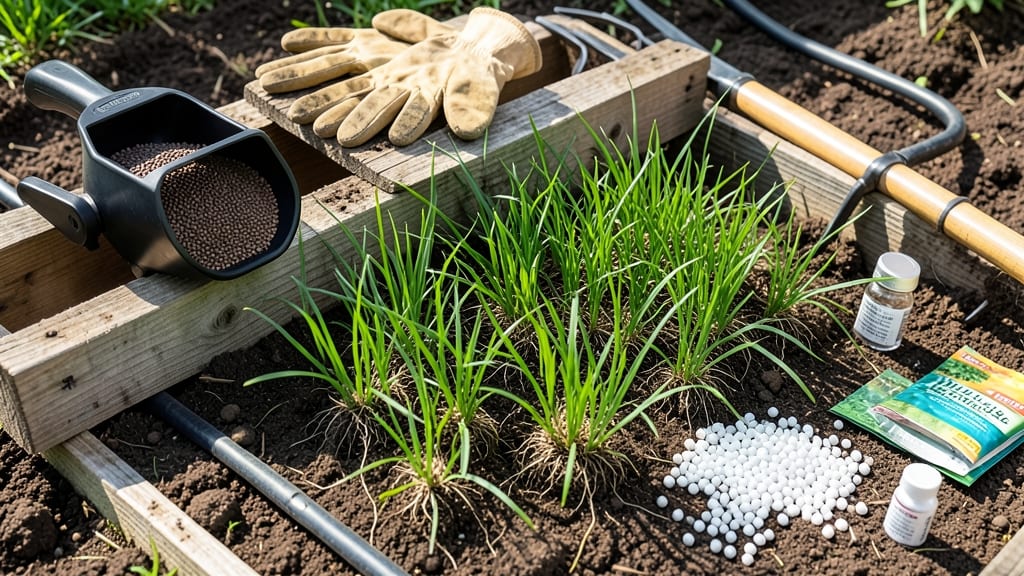
Planting grass seed in Texas at the wrong time can mean months of bare soil and wasted money—especially when extreme heat or sudden freezes threaten your investment. The best window for success isn't just about months, but understanding how your region's climate dictates timing.
From North Texas's chilly winters to South Texas's long, hot summers, each area has its own ideal planting seasons. Whether you're dealing with Bermuda grass in the West or St. Augustine in the East, getting the timing right means the difference between a lush lawn and struggling seedlings.
I'll walk you through the exact months to plant in your part of Texas, plus the critical factors like soil temperature and rainfall that override calendar dates. No more guessing—just proven strategies for a lawn that thrives in Texas' unpredictable weather.
Ready to transform your patchy yard into a vibrant, drought-resistant carpet? Let's dive into the perfect planting schedule for your Texas region and the steps that ensure germination success.
Optimal Texas grass seed planting months by region (north vs south vs West)
Texas' climate varies dramatically from North Texas' cooler winters to South Texas' year-round heat, making a one-size-fits-all planting window impossible. I've broken down the best months for each region based on soil temperatures, rainfall patterns, and grass type suitability—so you can plant with confidence.
For North Texas (USDA Zones 7b-8a), think cool-season grasses like Tall Fescue or Ryegrass. These thrive when planted in early spring (March-April) or late summer (August-September), avoiding both frost and extreme heat. The key is waiting until soil temperatures stay above 55°F (13°C) for 7+ days.
In Central Texas (Zones 8a-8b), warm-season grasses like Bermuda and St. Augustine dominate. Plant here in late summer (August-October) when daytime highs drop below 90°F (32°C) and nights cool to 70°F (21°C). This window ensures seeds germinate before winter dormancy sets in.
South Texas (Zones 9a-10b) gardeners have the most flexibility thanks to mild winters. Zoysia and Buffalo grass can be sown as early as February-March or as late as September-October, but August-September is ideal for Bermuda to establish before summer heat peaks again.
West Texas (Zones 7b-9a) presents unique challenges with low rainfall and high evaporation rates. Here, drought-tolerant grasses like Buffalo grass should be planted in early fall (September-October) or late winter (February) when moisture is more reliable. Avoid summer planting—seeds will bake in the soil.
| Region | Best Planting Months | Grass Types | Soil Temp Requirement | Key Consideration |
|---|---|---|---|---|
| North Texas | March-April, August-September | Tall Fescue, Ryegrass, Fine Fescue | 55°F+ (13°C+) | Avoid frost periods |
| Central Texas | August-October | Bermuda, St. Augustine, Zoysia | 65°F-85°F (18°C-29°C) | Establish before winter |
| South Texas | February-March, August-September | Zoysia, Buffalo Grass, Bermuda | 60°F-90°F (15°C-32°C) | Year-round growing potential |
| West Texas | September-October, February | Buffalo Grass, Blue Grama | 50°F-75°F (10°C-24°C) | Drought tolerance critical |
I can't stress enough how important soil temperature is—planting when it's too hot or cold will stall germination. Use a soil thermometer ($10 at garden centers) to check before seeding. For Bermuda grass, aim for 70°F (21°C) soil; cool-season grasses need 55°F (13°C) minimum.
Pro tip: Late August through September is the sweet spot for most of Texas because daytime temps drop, nights stay warm, and hurricane season (which brings beneficial rain) winds down. This gives seeds time to establish before winter stress sets in.
If you're in North Texas and considering cool-season grasses, don't wait until May—by then, summer heat will have already stressed young seedlings. Instead, plant in March when days are warming but nights are still cool enough for germination.
For St. Augustine grass lovers in Central/South Texas, September is your best bet. This timing lets the grass grow through fall, winter, and into spring before summer dormancy kicks in. Just be prepared for deer pressure—they love new St. Augustine sprouts!
Remember: Texas weather is unpredictable. Always have a backup irrigation plan (like a soaker hose) in case rain fails to show up after planting. Even the best timing won't help if seeds dry out.
5 Critical factors that determine your grass seed planting timeline in Texas
Texas' extreme weather means planting grass seed isn't just about months—it's about soil temperatures, rainfall patterns, and even grass type. These factors often override calendar dates, especially in North Texas vs. South Texas. Let's break down what truly matters for your lawn's success.
First, soil temperature is the #1 factor. Most warm-season grasses (like Bermuda and St. Augustine) need soil temps above 65°F to germinate. In Central Texas, this typically happens by mid-March, while South Texas can start as early as February.
Cool-season grasses like ryegrass prefer 50-65°F soils, ideal in fall.
Next, rainfall patterns dictate your watering workload. Planting in late summer (August-September) aligns with Texas' natural monsoon season, reducing your need for irrigation. However, North Texas may experience drought conditions in early fall, so have a backup watering plan. Always check your local NOAA forecasts before planting.
Your grass type also dictates timing. Bermuda grass thrives when planted in late spring (May-June) or early fall (August-September), while Buffalo grass is more forgiving and can handle late summer planting. St. Augustine prefers spring planting in Central Texas to avoid fungal diseases from summer humidity.
Drought risk is another Texas-specific challenge. Planting in fall (September-October) gives your grass 6-8 weeks of cooler weather to establish deep roots before summer heat returns. In West Texas, where water is scarce, consider drought-tolerant grasses like Buffalo grass or Blue grama and plant during late summer when rains are more likely.
Finally, local frost dates matter for cool-season grasses. In North Texas, planting ryegrass in early October gives it time to germinate before first frost (usually December 1).
In South Texas, where frosts are rare, you have more flexibility to plant cool-season grasses in late fall or even early spring.
To simplify, use this Texas Grass Planting Checklist before you start: ☑️ Test soil temp with a soil thermometer (65°F+ for warm-season, 50-65°F for cool-season) ☑️ Check 7-day rainfall forecasts—aim for at least 1 inch of rain post-planting ☑️ Match grass type to your USDA zone (8a-10b in Texas) ☑️ Prepare soil 2-4 weeks before planting (remove weeds, loosen topsoil) ☑️ Water lightly 2x daily for first 2 weeks (keep soil moist but not soggy) ☑️ Avoid planting during peak summer heat (June-August) unless using shade cloth ☑️ Apply starter fertilizer with phosphorus to boost root growth
Remember, Texas' microclimates mean what works in Austin may fail in El Paso. Always adjust timing based on your specific location and grass type. With these factors in mind, you'll maximize your lawn's germination success and long-term resilience—even in Texas' harshest conditions.