
Plants
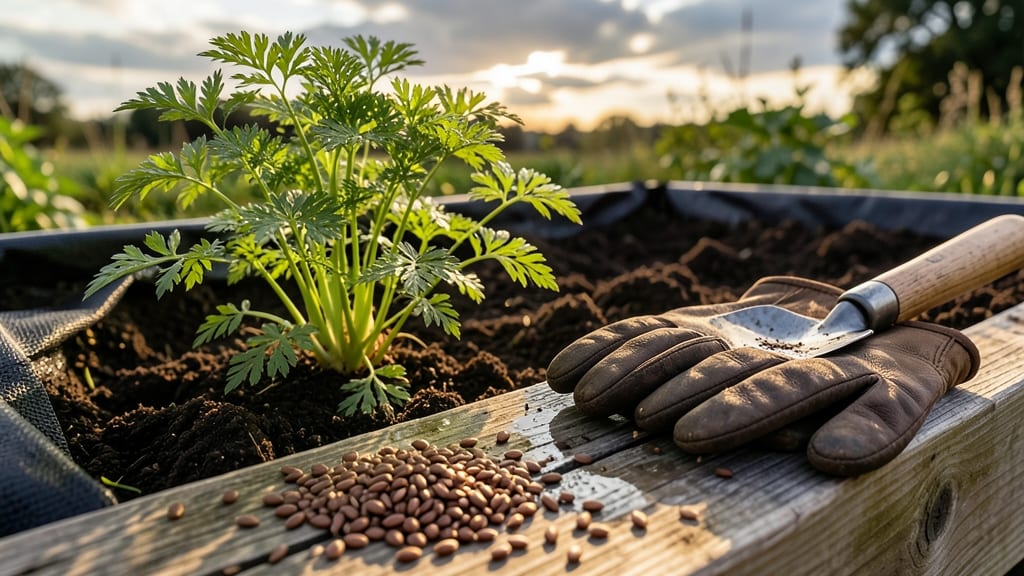
To grow sweet, crisp carrots in Zone 7a, planting at the right time makes all the difference—get it wrong, and you’ll battle frost or rock-hard soil that stunts your harvest.
The key is knowing exactly when to start seeds for that perfect balance of warmth and moisture, without rushing before the last frost or waiting too long for the ground to firm up.
I’ve learned the hard way that timing isn’t just about months—it’s about soil temperature and frost dates. In Zone 7a, early spring (March–April) and late summer (July–August) are your best windows, but even a few degrees or days can mean the difference between a bountiful harvest and a failed crop.
What if you could stretch your harvest season and avoid the guesswork? I’ll break down the exact months to plant, plus pro tips for soil prep and succession planting so you’re pulling 🥕 from May through October. Let’s get those roots growing right.
Whether you’re a first-time gardener or a seasoned green thumb, these strategies will help you beat Zone 7a’s challenges and enjoy homegrown carrots all season long. Ready to dig in?
Best planting months for carrots in Zone 7a: avoid frost and hard soil
Timing your carrot planting in Zone 7a is critical—get it wrong, and you’ll battle frost damage or rock-hard soil. The ideal window balances soil warmth (50°F+) and frost-free days (180+). Let’s break down the perfect months and why they matter.
In Zone 7a, your last frost date typically falls around March 15, while the first frost arrives by November 15. This gives you a 180-day growing season, but carrots need 50-80 days to mature. That’s why spring and fall are your best bets.
Here’s the golden rule: Plant when soil temps hit 50°F. Use a soil thermometer—cold soil = stunted roots. In Zone 7a, this usually means early March to mid-April for spring and mid-July to early August for fall.
Why these windows? Spring planting lets you harvest before summer heat stresses the plants. Fall planting avoids the hardpan soil that forms in late summer. Both strategies maximize your crisp, sweet roots.
Pro tip: If you’re tempted to plant in February, wait until soil warms to 50°F—cold soil causes forked roots. Similarly, late August plantings risk hard soil before harvest. Test your soil with a thermometer to avoid these pitfalls.
Zone 7a’s humidity and heat can also stress carrots. Choose shorter-day varieties for fall planting to prevent bolting. For spring, opt for fast-maturing types (60 days) to beat summer’s intensity.
Don’t overlook succession planting! Sow seeds every 2-3 weeks in spring and fall for a continuous harvest. This stretches your growing season and ensures you always have fresh carrots.
One more critical note: Direct-sow seeds—carrots hate transplanting. Thin seedlings to 2-3 inches apart to prevent overcrowding and forked roots. Mulch with straw to keep soil moist and weed-free.
With these timing tips, you’ll grow crisp, straight carrots all season long—no more wasted effort or bitter roots! 🥕
Best planting months for carrots in Zone 7a: avoid frost and hard soil
In Zone 7a, timing your carrot planting is critical to avoid frost damage and hard soil that stunts root growth. The last frost date typically falls around March 15, while the first frost arrives by November 15.
This leaves a 180-day frost-free window—perfect for two planting seasons: early spring and late summer.
For the best harvest, focus on March and April for spring planting. These months offer warm soil temperatures (above 50°F) that encourage germination without bolting. Late summer planting in July or August gives carrots time to mature before winter sets in, though they’ll need protection from early frosts.
Here’s why these windows work best in Zone 7a: Spring planting avoids hard, compacted soil from winter, while fall planting skips the heat stress of summer. Both strategies maximize your harvest window—May-June and September-October.
| Planting Window | Soil Temp Requirement | Frost Risk | Harvest Months |
|---|---|---|---|
| Early Spring (March-April) | 50-60°F | Low (post-last frost) | May-June |
| Late Summer (July-August) | 60-70°F | Moderate (early frost risk) | September-October |
If you’re eager to start earlier, February can work for cold-hardy varieties like ‘Early Nantes’, but use row covers to protect seedlings. Avoid planting after May—summer heat causes bolting (premature flowering), ruining your roots. For a continuous harvest, stagger plantings every 2-3 weeks in spring and fall.
Pro tip: Test your soil temperature with a soil thermometer—carrots need 50°F+ to germinate. If your soil is colder, wait 1-2 weeks or use black plastic mulch to warm it faster. Hard soil? Amend with compost to loosen it for straight, fork-free roots.
Zone 7a’s humidity can also slow germination, so keep seeds moist but not soggy until sprouts appear. With the right timing, you’ll enjoy crisp, sweet carrots twice a year—no more store-bought blandness! 🥕