
Plants
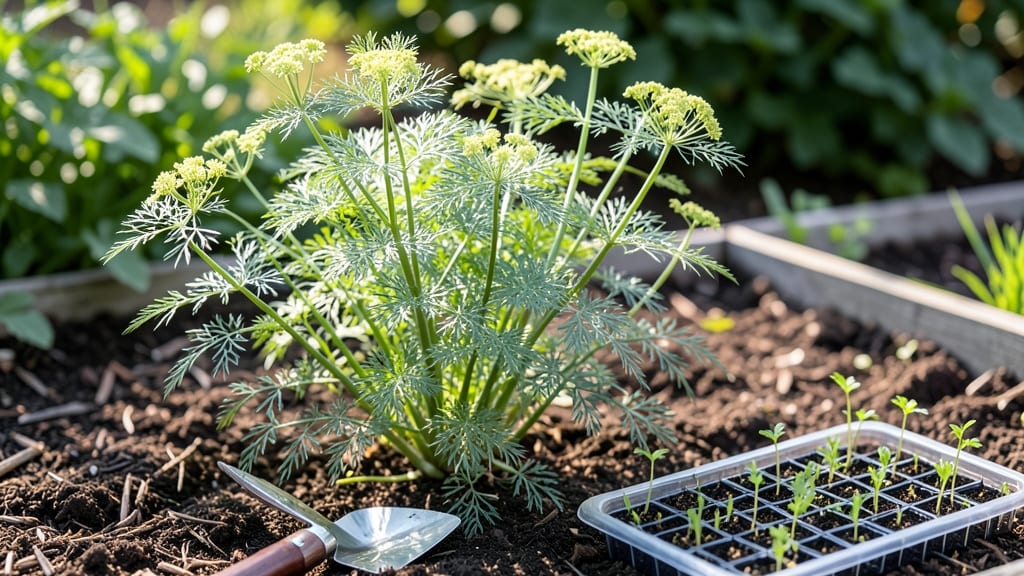
When to plant dill in Texas can turn your fresh herb dreams into a bolting nightmare—but timing everything by heat zones unlocks lush, flavorful harvests. You’ve got two perfect windows to plant 🌿 dill in Texas: late winter/early spring and late summer/early fall, depending on your zone.
The key is avoiding Texas’s infamous heat spikes, which can send dill into premature flowering. In 8a-10b zones, North Texas gardeners should plant 2–3 weeks before the last frost (around mid-February), while South Texas can start as early as late January.
But here’s the catch: if you miss the spring window, don’t panic—fall planting in August-September still works if you act fast.
Why does timing matter so much? Dill hates heat stress, and even a few degrees too warm can trigger bolting—turning your tender leaves into bitter seed stalks.
I’ll show you exactly how to beat the Texas heat with zone-specific deadlines, soil prep, and shade tricks that keep your dill thriving until harvest.
Ready to grow dill that’s bold, flavorful, and bolting-free? Let’s dive into the exact planting schedule for your Texas heat zone and save you from the common mistakes that ruin dill before it even gets started.
Texas heat zones for planting dill: exact timing to prevent bolting
Texas’s diverse heat zones (8a–10b) create wildly different growing conditions for dill. If you plant at the wrong time, your dill will bolt prematurely, sending up flowers instead of lush leaves.
The key? Timing your plantings around Texas’s last and first frost dates, while avoiding the brutal summer heat. Let’s break down the exact windows for each zone to maximize your harvest.
In North Texas (zones 8a–8b), where frosts linger until mid-February, your best window is late February to early March for spring plantings. For Central Texas (zones 9a–9b), aim for mid-March to early April.
Meanwhile, South Texas (zones 10a–10b) can start as early as February 15—but watch for sudden cold snaps. Fall plantings should happen 8–10 weeks before your first frost, typically mid-August to early September across all zones.
Here’s how to align your dill planting with Texas’s heat zones for the best results:
| Heat Zone | Last Frost Date | Spring Planting Window | Fall Planting Window | Key Tip |
|---|---|---|---|---|
| 8a (North Texas) | Feb 15 | Late Feb–Early Mar | Mid-Aug–Early Sep | Use row covers for early starts |
| 8b (North-Central) | Feb 28 | Early Mar–Mid Mar | Late Aug–Early Sep | Water deeply in dry spells |
| 9a (Central) | Mar 15 | Mid-Mar–Early Apr | Early Aug–Mid Sep | Mulch to retain moisture |
| 9b (South-Central) | Mar 31 | Late Mar–Early Apr | Late July–Early Sep | Provide afternoon shade |
| 10a–10b (South Texas) | Jan 15 | Feb 15–Mar 15 | Mid-Aug–Late Sep | Use shade cloth in summer |
Spring plantings in Texas should happen 2–3 weeks before your last frost date to give seedlings time to establish roots. For example, if your last frost is March 15, plant dill by March 1. This timing ensures your dill avoids the heat stress that triggers bolting.
In South Texas (zones 10a–10b), where winters are mild, you can even plant dill as early as February 15—just be prepared to protect it from rare cold snaps with row covers.
Fall is your second-best window for dill in Texas, but you must plant 8–10 weeks before your first frost. For North Texas (zone 8a), this means mid-August plantings, while South Texas (zone 10b) can wait until early September.
Fall plantings benefit from cooler temperatures, which slow bolting and encourage leaf growth. Harvest before the first frost to preserve flavor and texture.
One Texas-specific challenge is the summer heat, which can cause dill to bolt in as little as 4–6 weeks if planted too early.
To avoid this, never plant dill in May or June—the combination of high temperatures (above 90°F) and long daylight hours will send your dill into flower mode faster than you can say “pickle recipe.” Instead, focus on spring and fall plantings for the best leaf production.
For gardeners in transition zones (8b–9a), like Austin or San Antonio, consider succession planting every 2–3 weeks in spring and fall. This staggered approach ensures a continuous harvest while
Texas heat zones for planting dill: exact timing to prevent bolting
Texas’s diverse climate—from chilly North Texas to subtropical South Texas—means dill planting windows vary dramatically. The key to avoiding premature bolting (when dill flowers too early) is planting at the right time for your USDA hardiness zone.
In Zone 8a (North Texas), aim for late February to early March for spring harvests, while Zone 10b (South Texas) gardeners can start as early as January or even late summer for fall crops.
Dill thrives in cool-to-moderate temperatures (50–75°F) and struggles when temps exceed 85°F. That’s why fall planting is often more successful in Texas—it lets dill mature before summer heat triggers bolting.
For example, Central Texas (Zone 8b) should plant in late February and again in August, while East Texas (Zone 7b-8a) can start 2–3 weeks earlier due to cooler springs.
Here’s the exact breakdown of planting windows by zone to maximize leaf production and minimize bolting:
| USDA Zone | Spring Planting Window | Fall Planting Window | Last Frost Date | First Frost Date |
|---|---|---|---|---|
| 8a (North Texas) | Late Feb–Early Mar | Mid-Aug–Early Sep | Feb 15 | Dec 1 |
| 8b (Central Texas) | Mid-Feb–Late Mar | Late July–Mid-Aug | Mar 1 | Nov 15 |
| 9a (East/Central TX) | Early Feb–Early Apr | June–July | Mar 15 | Nov 30 |
| 10a/10b (South TX) | Jan–Feb or Sep–Oct | Aug–Sep | Mar 15–Apr 1 | Dec 15–Jan 1 |
For North Texas gardeners, planting 2–3 weeks before the last frost (around February 15) gives dill enough time to establish roots before summer heat arrives. Meanwhile, South Texas growers can push the envelope with January plantings or even late summer succession plantings for a fall harvest.
The goal? Harvest leaves before temperatures hit 85°F consistently, or bolting will ruin your crop.
Pro tip: Use shade cloth (30–50%) in Zone 10b during peak summer to protect dill from bolting. This simple trick can extend your harvest window by 4–6 weeks in the hottest regions. Pair this with well-draining soil and consistent moisture, and you’ll avoid the most common Texas dill disasters.
Remember, dill’s flavor peaks before flowering, so time your plantings to harvest 45–60 days after sowing. In Texas, that means spring harvests by June and fall harvests by November—just before the first frost hits. Plan ahead, and you’ll enjoy fresh dill all season long!