
Plants
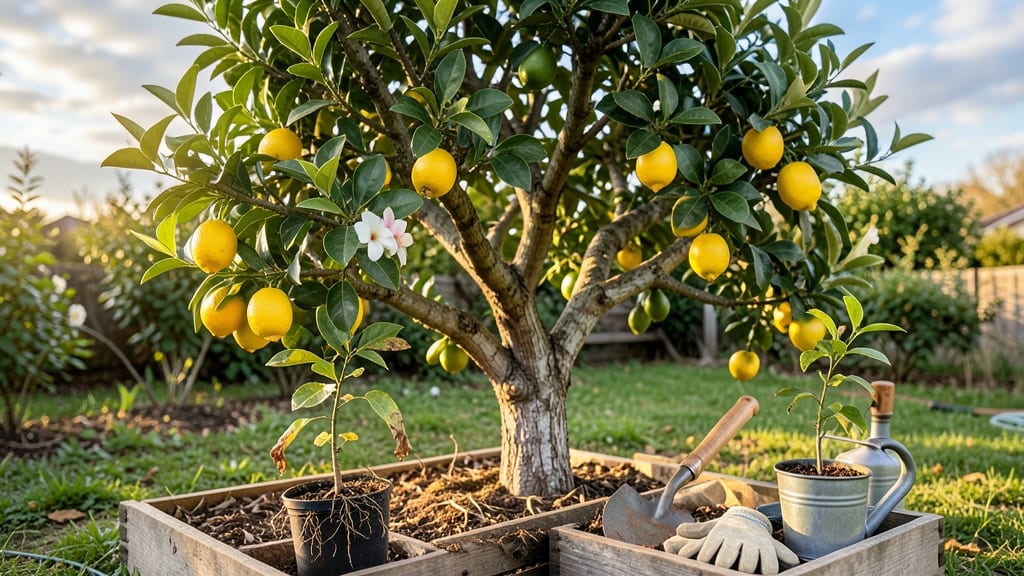
Planting citrus trees in Arizona isn't just about timing—it's about dodging winter freezes that can wipe out your 🍊 orchard before it even takes root. The key?
Getting those trees in the ground during the 6-week window between November and March, when temperatures stay mild and the risk of frost is lowest.
Most gardeners in the 9b zone assume spring is the safest bet, but that’s where many make their costly mistake. The real sweet spot?
Late fall through early winter, when the soil stays warm enough to support root growth without exposing young trees to sudden cold snaps that can happen as early as December.
Whether you're planting in containers for urban yards or directly in the ground, understanding your microclimate makes all the difference. Phoenix’s low desert heat behaves differently from Flagstaff’s cooler highlands—so let’s break down exactly when to plant for your specific corner of the state.
You’ll discover how to choose the right varieties, prep your soil, and protect your investment from Arizona’s unpredictable weather. Trust me, getting this right means the difference between a thriving citrus tree and a sad, frozen stump by spring.
Best months to plant citrus trees in Arizona’s climate zones
Arizona’s diverse climate zones (USDA zones 6-11) create a tricky balance for citrus growers. The low deserts like Phoenix and Yuma (zone 10a-11) rarely see frost, while higher elevations like Flagstaff (zone 7a) can drop to 20°F or lower.
To succeed, you must align your planting with local frost dates and temperature thresholds—typically 40°F for root establishment.
For most of Arizona, the ideal planting window spans from mid-November to late March. This period avoids both summer heat stress and winter freezes, giving young roots time to establish before extreme conditions.
In Phoenix and Tucson, you can even plant as late as April, but higher elevations demand earlier action.
Here’s the breakdown by zone, including freeze-risk windows and optimal planting months:
In Phoenix and Tucson, I’ve planted citrus as late as April with success, but young trees need consistent watering to combat summer heat. For higher elevations, aim for fall planting (September–October) to let roots establish before winter dormancy.
If you miss these windows, container growing gives you flexibility to move trees indoors during freezes.
One critical mistake I’ve seen is planting in summer. The 110°F+ heat shocks young roots, and even established trees struggle without afternoon shade. Always choose a well-draining site—Arizona’s clay soils can suffocate roots if waterlogged.
For container planting, the rules relax slightly. You can plant year-round in pots, but still avoid extreme heat (June–August) and freeze months (December–February for high elevations). Just ensure pots have drainage holes and use lightweight potting mix to prevent root rot.
Pro tip: Monitor local frost alerts via the National Weather Service or Arizona AgriWeather. In 2021, a 28°F freeze in Phoenix damaged unprotected citrus—even in zone 10a. A 4-inch mulch ring and frost cloth can save your trees in close calls.
If you’re in Tucson or Yuma, you’re in luck—year-round planting is possible with proper irrigation. But in Flagstaff, stick to microclimates (like south-facing slopes) or greenhouse growing for cold-sensitive varieties like Valencia oranges.
Remember: Citrus trees take 3–5 years to bear fruit in Arizona’s climate. Patience and precise timing now will pay off with decades of harvests—if you avoid the freeze risk! 🍊
How to time citrus planting for Arizona’s unpredictable freezes
Arizona’s winter freezes can arrive like a thief in the night, turning your citrus saplings into popsicles before you’ve even enjoyed a single harvest. The key to survival? Planting at the right time and using protective strategies that shield young roots from sudden temperature drops.
Unlike coastal areas, inland valleys like Phoenix and Tucson experience rapid temperature swings—what feels mild in the afternoon can plunge to 28°F or lower by dawn.
Most citrus trees struggle when exposed to temperatures below 25°F, but with the right preparation, you can push those limits. The 6-week window between November and January offers the safest balance between warm soil and minimal frost risk.
However, even within this window, microclimates matter—a tree planted in a sheltered urban yard might survive a freeze that wipes out one in an exposed rural field.
Here’s the critical rule: Never plant citrus after December 15 in most of Arizona, except in the lowest deserts like Yuma where frost is rare. Even then, a single unexpected freeze can devastate unprotected trees.
The solution? Combine smart timing with soil insulation and windbreaks to give your trees a fighting chance.
Freeze Alert: Arizona’s Hidden Dangers
- Urban Heat Islands can delay frost, but valleys cool faster—plant on higher ground if possible.
- Wind increases chill factor—use burlap windbreaks or plant near walls/fences.
- Container-grown citrus freeze 3x faster than in-ground—bury pots halfway or move indoors.
- Young trees (under 3 years) have no frost tolerance—protect with mulch blankets.
Start by choosing the right rootstock—dwarf varieties like Swingle citrumelo or Carrizo citrange tolerate cold better than standard rootstocks. These hybrids can survive brief dips to 18°F when properly protected, giving you a 10°F buffer over tropical varieties.
Pair this with 3 inches of organic mulch (straw or wood chips) around the base of the tree to insulate roots and retain moisture.
For container citrus, the stakes are even higher. Pots dry out 30% faster in Arizona’s wind and heat, but they also freeze more quickly. Bury your 5-gallon pots halfway in the ground or use insulated grow bags to mimic in-ground stability.
Move potted trees to a sheltered garage or patio before temperatures drop below 35°F—this simple step can mean the difference between life and death for your investment.
Finally, don’t underestimate the power of microclimate selection. A south-facing wall can add 5-10°F of warmth to your planting site, while a north-facing slope will cool faster.
If you’re in USDA Zone 7 or 8 (like Flagstaff), stick to Satsuma mandarins or Calamondins—these varieties can handle brief freezes better than lemons or oranges. With these strategies, you’ll turn Arizona’s freeze risk into a manageable challenge rather than a seasonal disaster.