
Plants
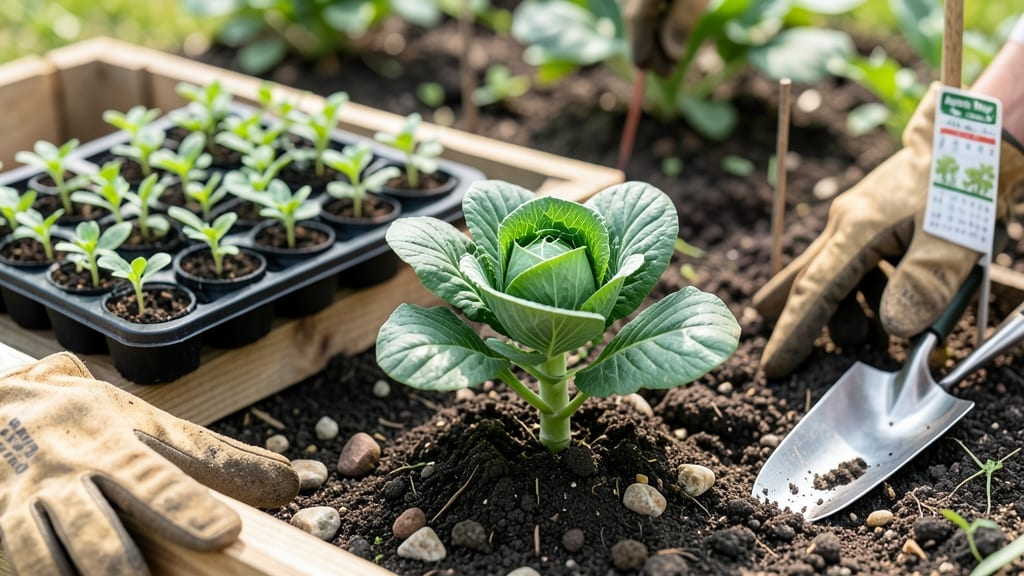
Timing your cabbage planting in Zone 5 isn’t just about the calendar—it’s about beating the clock before those 🥬 plants bolt into bitter oblivion. One wrong move, and you’ll end up with sad, stringy leaves instead of the crisp, sweet heads you’re craving.
Here’s the secret: Zone 5’s short growing season demands precision. Plant too early, and frost will stunt your cabbage. Too late, and summer heat will send it racing to seed.
I’ll show you exactly when to start seeds indoors, when to transplant, and how to stretch your harvest window with smart timing—so you can enjoy homegrown 🥬 from June straight through October.
We’re talking frost-date math that turns guesswork into guarantees. Whether you’re a first-time gardener or a seasoned grower, these exact planting windows will help you avoid the two biggest mistakes: bolting from heat stress or frost damage. Let’s get your cabbage on the right track from day one.
The key? Understanding your last frost date and soil temperature thresholds—because in Zone 5, timing is everything. I’ll walk you through the step-by-step formula so you can plant with confidence, no matter what Mother Nature throws your way.
Zone 5 cabbage planting timeline: exact dates by frost math
Planting cabbage in Zone 5 requires precise timing to avoid bolting—when plants produce bitter seeds instead of edible heads. The key is calculating your last frost date (typically mid-to-late May) and working backward using soil temperature thresholds of 45°F+ for germination.
Most Zone 5 gardeners succeed with two planting windows: early spring (March–April) and late summer (July–August). Spring plantings mature before summer heat triggers bolting, while fall plantings take advantage of cooler temps. Let’s break down the exact dates using USDA frost formulas and maturity zone adjustments.
📋 Key Rule: Cabbage needs 70–100 days to maturity, so count backward from your first frost (mid-October) to determine ideal transplant dates. For example, if your frost date is October 15, subtract 80 days to land on July 26 for a fall harvest.
| Planting Window | Action | Soil Temp | Zone 5 Dates | Bolting Risk |
|---|---|---|---|---|
| Spring | Start seeds indoors | 60–65°F | February 20–March 15 | Low (cool temps) |
| Spring | Transplant outdoors | 45°F+ | April 1–April 30 | Moderate (late frosts) |
| Summer | Direct-sow seeds | 50°F+ | July 1–July 15 | High (heat stress) |
| Fall | Transplant for harvest | 50°F+ | July 20–August 15 | Low (cooling temps) |
For spring plantings, aim to transplant 4–6 weeks before your last frost. If you’re starting seeds indoors, begin them 4–5 weeks before transplanting. Use grow lights if natural light is limited—cabbage seedlings need 12–14 hours of light daily to prevent legginess.
Summer plantings are trickier in Zone 5 because heat accelerates bolting. Choose slow-bolting varieties like ‘Golden Acre’ and sow seeds after July 1 to avoid summer’s peak heat. Always use shade cloth (30–50%) to protect young plants from afternoon sun.
Fall plantings offer a second chance for harvests. Start seeds indoors in July and transplant by August 15 to ensure heads mature before frost. Use row covers to extend the season—some varieties like ‘Wisconsin Winter’ tolerate light frosts (25°F) without damage.
Pro tip: Use a soil thermometer to confirm temps. Cabbage seeds won’t germinate below 45°F, and seedlings may rot in soggy, cold soil. Amend beds with compost to improve drainage and warmth.
Bolting is your biggest enemy in Zone 5. Heat above 80°F for more than 3 days triggers flowering. Monitor weather forecasts and adjust planting dates if early heatwaves are predicted. For example, if June temps hit 85°F, delay summer plantings until July 15.
Stagger your plantings by 2–3 weeks to ensure a continuous harvest. For instance, sow a batch on March 15, another on April 1, and a final one on July 10. This succession planting strategy maximizes yield and minimizes bolting risk.
Finally, always check your local USDA frost map—Zone 5 spans regions with 140–160 frost-free days. Adjust dates 1–2 weeks earlier if you’re in a cooler microclimate (e.g., northern Zone 5) or later in warmer pockets (e.g., near cities).
Zone 5 cabbage planting timeline: exact dates by frost math
Zone 5 gardeners face a tight window for growing cabbage—just 150 frost-free days between last and first frost. Missing this window means bolting (premature flowering) or stunted growth. The key is planting when soil temps hit 45°F+ and using USDA frost date math to calculate exact windows.
For spring planting, start seeds indoors 4-6 weeks before your last frost date (typically mid-to-late May in Zone 5). Transplant seedlings outdoors when soil warms to 45°F+ and night temps stay above 35°F—usually late April to early May.
Fall planting is equally critical. Sow seeds outdoors July 15-August 15 for harvest before mid-October frosts. Choose slow-bolting varieties like ‘Wisconsin Winter’ to extend your harvest window.
🌱 Zone 5 Cabbage Planting Summary
| Stage | Action | Key Details |
|---|---|---|
| Spring Start Indoors | 4-6 weeks before last frost | Soil temp: 65°F+ |
| Transplant Outdoors | Late April-Early May | Soil: 45°F+, night temps >35°F |
| Fall Sowing | July 15-August 15 | Harvest before mid-October |
| Bolting Risk | Avoid planting after June 15 | Heat >80°F triggers bolting |
Pro tip: Use a frost calendar (like the Old Farmer’s Almanac) to adjust dates yearly. In Zone 5’s northern edge, plant 2 weeks later than southern areas. For example, Chicago’s last frost is May 15, while St. Louis’s is May 5.
If your area has late frosts, opt for transplanting instead of direct sowing. Seedlings handle cold better than seeds. For extra protection, use row covers until plants are established.
Remember: Cabbage needs 60-100 days to mature. In Zone 5, this means spring planting must finish by late July, and fall planting must start by August 1 to avoid frost damage.