
Plants
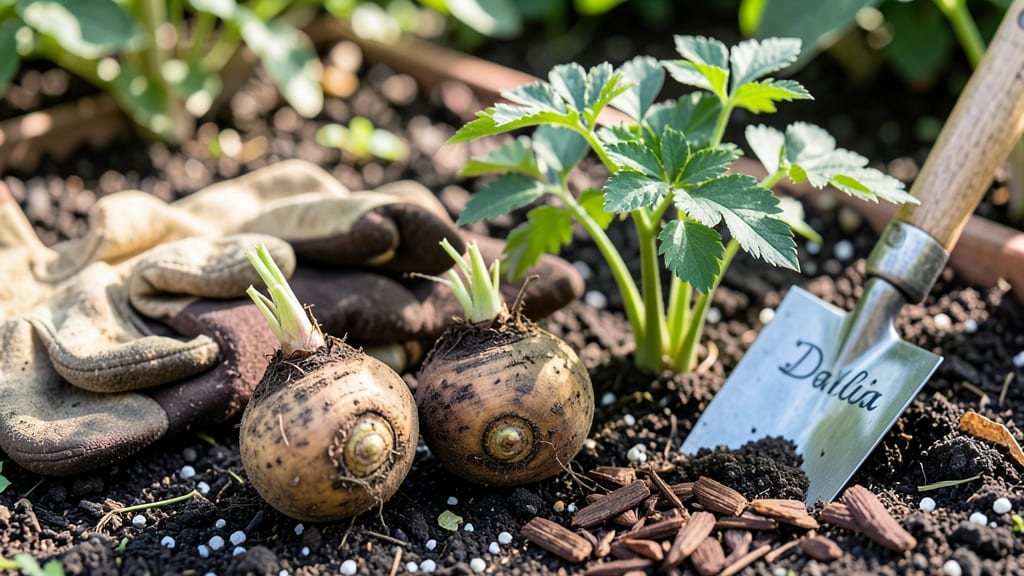
Planting your dahlias 🌸 in Minnesota isn’t just about waiting for spring—it’s about catching that narrow window between frost and summer heat. Get it wrong, and you’ll either lose your tubers to late frosts or watch your blooms struggle in the cold soil of early May.
Most gardeners in Zone 4a-5a know the drill: wait until after the last frost (usually mid-to-late May), but don’t wait too long—soil needs to hit 60°F or your dahlias will sulk.
I’ve learned the hard way that rushing them out too early means weak stems, while waiting too late cuts your blooming season short.
Here’s the secret: test your soil warmth before planting (yes, even without a fancy thermometer) and use row covers to shave off critical weeks. With these tricks, you’ll turn Minnesota’s short growing season into a dahlias powerhouse—full of vibrant blooms from July through October.
Ready to master the timing? Let’s break down exactly when, how, and why to plant for maximum impact in your yard.
Minnesota’s ideal dahlias planting window by Zone
Dahlias (🌸) thrive in Minnesota’s USDA Zones 4a-5a, but their 60°F soil temperature requirement makes timing critical. Planting too early risks frost damage, while late planting cuts bloom time. Let’s break down the optimal windows by zone and soil readiness.
Minnesota’s last frost dates vary dramatically—from May 1-15 in southern zones to May 20-31 in northern regions. Dahlias need 4-6 weeks of warm soil after transplanting, so aim for mid-May to early June in most areas.
Soil temperature matters more than air temperature. Dahlias won’t thrive until soil hits 60°F consistently. In Zone 4a (northern MN), wait until late May or early June. For Zone 5a (southern MN), mid-May is ideal.
Use these regional averages as guides, but always verify with your local Cooperative Extension office or a soil thermometer. Microclimates—like urban heat islands—can shift your planting window by 1-2 weeks.
| USDA Zone | Last Frost Date | Ideal Planting Window | Soil Temp Goal | Bloom Start |
|---|---|---|---|---|
| Zone 4a (North) | May 20-31 | Late May - Early June | 60°F+ (consistent) | Late July |
| Zone 4b (Central) | May 10-20 | Mid-May - Late May | 60°F+ (consistent) | Early July |
| Zone 5a (South) | May 1-10 | Mid-May | 60°F+ (consistent) | Late June |
If you’re in Zone 4a, consider starting tubers indoors in April to jumpstart growth. Pre-sprouting can give you a 2-3 week head start on the season. For Zone 5a gardeners, you might even squeeze in early May plantings if you use row covers for protection.
Pro tip: Mark your planting dates on a calendar and track soil temps for 3 consecutive days. Dahlias need consistent warmth, not just a single warm day. Use a soil thermometer or the potato test (see next section) to confirm readiness.
Missed the window? Don’t despair. Some dwarf varieties (like 'Café au Lait') tolerate cooler soil and can handle late May plantings in Zone 4b-5a. Just expect slightly shorter stems and fewer blooms.
Remember: Dahlias are tender perennials—they die back in frost. In Minnesota, first frost typically arrives September 20-October 1, so plan to dig and store tubers before then. The longer your growing season, the more blooms you’ll enjoy.
For maximum blooms, aim to plant by June 1 in most of Minnesota. This gives dahlias 120+ frost-free days to establish roots and produce show-stopping flowers from July through October.
🌸
How to test soil warmth for dahlias (without a thermometer)
Minnesota’s spring soil can be a mystery—one day cold enough to freeze tubers, the next warm enough to invite root rot. Without a fancy soil thermometer, how do you know when your dahlias are ready? The answer lies in clever, low-tech tricks that even beginner gardeners can master.
Dahlias thrive when soil hits 60°F (15°C)—but checking this with a thermometer isn’t always practical. Instead, rely on nature’s built-in indicators. These methods work especially well in Zone 4-5, where soil warmth arrives late and unpredictably.
🌱 Did You Know? A simple potato test can reveal soil temperature in minutes. Here’s how it works:
- 1. Potato Test: Bury a raw potato in your garden bed for 24 hours. Dig it up—if it’s soft and warm, soil is ready (60°F+). If cold, wait another week.
- 2. Pea Plant Indicator: Plant a few garden peas nearby. When they sprout quickly (within 7-10 days), soil warmth is ideal for dahlias.
- 3. Seed Germination Trick: Place a damp paper towel with radish seeds in your garden. If they sprout in 3-5 days, soil is warm enough for dahlias.
Timing is critical in Minnesota—planting too early risks frost damage, while waiting too long cuts your blooming season short. The potato test is my go-to because it’s foolproof and requires no special tools. I’ve used it for years to avoid the heartbreak of wilted dahlias after a surprise frost.
For extra peace of mind, combine tests. If your peas sprout and the potato softens, it’s time to plant. These methods also help you adjust for microclimates—like sunny south-facing beds warming faster than shady spots.
Pro tip: Test soil in the morning when it’s coolest. If it’s warm then, it’s definitely ready for your dahlia tubers. Avoid testing after a hot afternoon, which can give false readings.
Once you’ve confirmed warm soil, plant your dahlias 4-6 weeks after your last frost date. In Minnesota, that’s typically mid-to-late May, but your tests might push it earlier in sheltered microclimates. Happy planting! 🌿