
How To
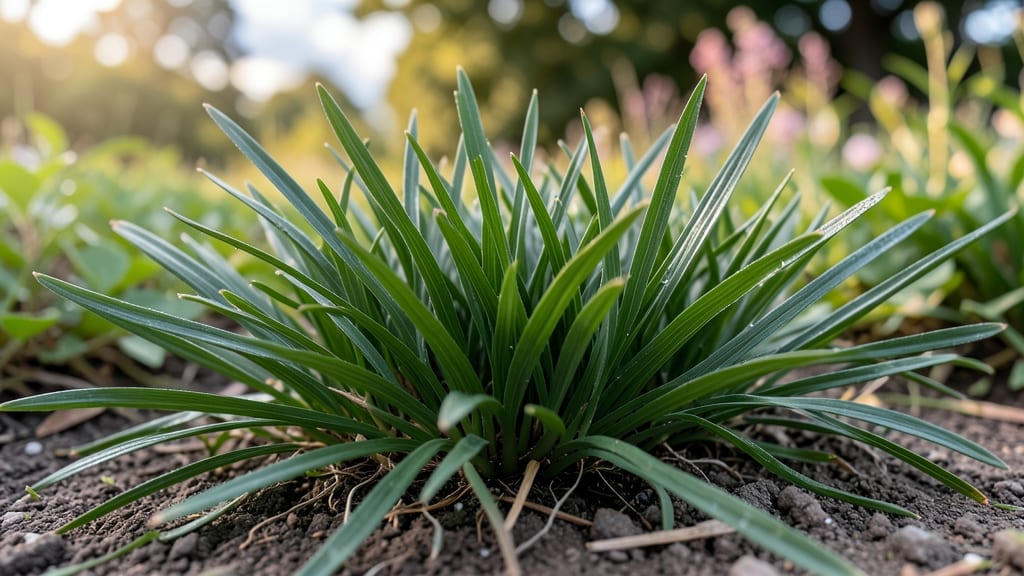
Planting centipede grass seed in North Carolina at the wrong time can mean the difference between a lush, low-maintenance lawn and a frustrating waste of effort. The key isn't just avoiding frost—it's waiting for that perfect moment when soil warmth triggers germination while summer heat hasn't yet arrived.
For NC gardeners in zones 7a-8b, timing matters more than you might think. Coastal areas can plant earlier than Piedmont regions, but both need soil temperatures of atstrong>60-65°F—a window that typically opens between late April and early June.
Get it wrong, and you'll either lose seedlings to late frosts or watch them struggle under summer's intensity.
I've learned the hard way that rushing the process leads to weak grass that never fully establishes. The secret? Monitoring soil temperature and understanding your local microclimate. Whether you're in Raleigh or Wilmington, this guide will help you pinpoint the exact moment to plant for maximum success.
Ready to transform your lawn? Let's dive into the soil warmth triggers, frost risk maps, and step-by-step planting strategies that work for North Carolina's unique climate. Your perfect lawn starts with getting this one critical detail right.
Centipede grass seed planting timeline in NC by soil temperature zones
North Carolina’s three distinct climate regions—Coastal, Piedmont, and Mountains—create wildly different soil temperature conditions for centipede grass seed. The key to success? Planting when soil reaches 60-65°F consistently, not just air temperature. Coastal areas warm fastest, while mountain regions lag behind by weeks.
I’ve planted centipede grass in Raleigh (Piedmont) and Wilmington (Coastal), and the difference in timing is staggering. In Wilmington, you can start as early as mid-April, while mountain zones like Asheville often wait until late May. Use a soil thermometer—air temperature alone won’t cut it.
Here’s the critical rule: Never plant when nighttime temps dip below 55°F. Centipede grass seedlings are frost-sensitive, and even light frosts can stunt growth. Check your USDA Zone (7a-8b) and local frost data—Coastal NC (Zone 8a) has a 2-week advantage over Piedmont (Zone 7b).
🌱
| Region | Ideal Planting Window | Soil Temp Trigger | Frost Risk | Action Tip |
|---|---|---|---|---|
| Coastal NC (Zone 8a) | Mid-April to early May | 60°F+ for 5+ days | Low (last frost: March 1) | Use shade cloth if temps spike above 85°F |
| Piedmont NC (Zone 7b) | Late April to mid-May | 62°F+ for 7+ days | Moderate (last frost: March 15) | Test soil pH (5.0-5.5) before planting |
| Mountain NC (Zone 7a) | Late May to early June | 65°F+ for 10+ days | High (last frost: April 1) | Mulch heavily to retain soil warmth |
| All Regions | Avoid June-August | N/A (heat stress) | High (summer drought) | Wait for humidity drop after rain |
For Coastal NC gardeners, aim for April 15-30—this aligns with the peak hummingbird migration, a natural indicator of warming soils. In Raleigh’s Piedmont climate, I’ve found that May 1-15 offers the sweet spot: soil warmth without summer’s oppressive heat.
Pro tip: Use a soil thermometer at 4-inch depth—this is where centipede grass roots establish. If your thermometer reads below 60°F at 4 PM, wait another week.
I once rushed planting in early April in Greensboro and lost half my seedlings to a late frost—don’t make my mistake!
🌡️
NC’s humid subtropical climate creates microclimates even within cities. For example, Charlotte’s urban heat island can be 5°F warmer than surrounding areas, allowing earlier planting. Check local weather station data (like NC State Climate Office) for 5-year averages—this accounts for La Niña/El Niño variability.
Remember: Centipede grass thrives in heat once established, but seedlings hate it. If your afternoon temps exceed 90°F during germination, use lightweight shade cloth (30%) to protect young sprouts. I’ve seen 100% germination failure in July plantings due to heat stress.
🌿
For mountain regions like Boone or Waynesville, extend your planting window to late May. These areas often experience unpredictable spring weather, with frost possible until April 15.
Plant 1-2 weeks later than Piedmont to avoid cold snaps. And if you’re in Zone 7a, consider starter plugs instead of seed—they establish faster in cooler soils.
Final rule: Plant when your neighbor’s azaleas finish blooming. Azaleas in NC typically bloom March-April, and their post-bloom period often aligns with ideal centipede grass planting temps. It’s a natural calendar that’s worked for Southern gardeners for generations!
Centipede grass seed planting timeline in NC by soil temperature zones
North Carolina’s three distinct climate zones—Coastal, Piedmont, and Mountains—create wildly different soil temperature conditions for centipede grass seed. While the Coastal Plain warms faster, the Mountains lag behind, sometimes by 3-4 weeks. Always check your soil thermometer before planting, aiming for a consistent 60-65°F reading at 4-inch depth.
Use this frost risk map overlay to pinpoint your last-frost date: Coastal areas (like Wilmington) typically see frost by mid-November**, while the Asheville region can experience frost as late as early December.
Planting too soon risks seedling death from frost, while waiting too long exposes seeds to summer heat stress.
For Coastal NC, I recommend starting seeds indoors in early April to transplant after the last frost (usually March 15-April 1). In the Piedmont, wait until late May when soil temps stabilize above 65°F.
Mountain gardeners should delay until early June to avoid late spring frosts.
Pro tip: Use a soil warming trick if planting early—cover bare soil with black plastic mulch 1-2 weeks before seeding to accelerate warming. Remove it immediately after planting to prevent overheating. Always water deeply after planting to settle seeds into the soil and activate germination.
Watch for summer heatwaves after planting—if temps exceed 90°F, create shade with row covers or temporary shade cloth to protect young seedlings. Coastal areas may need this protection as early as late May, while inland regions can wait until July.
Remember, centipede grass thrives in NC’s hot summers, but seedlings need gentle conditions to establish. The key phrase here is "soil warmth, not air temperature". Always check 4-inch soil temps—they’re your best indicator of success.